Lessons from a SpaceX Rocket's Unintended Lunar Impact
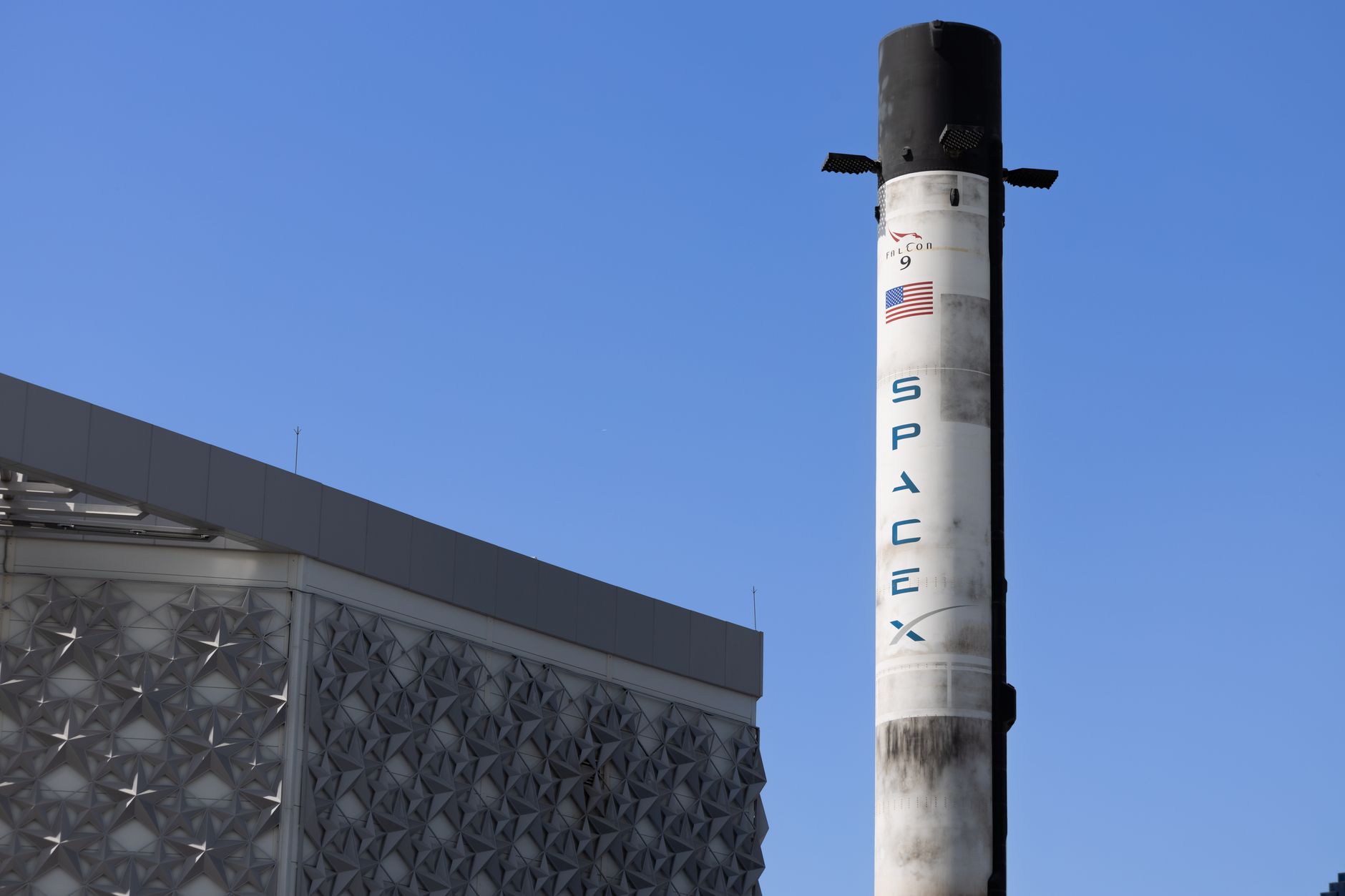
In an unassuming corner of the cosmos, a SpaceX Falcon 9 rocket recently met its end by slamming into the Moon at a brisk 5,400 mph. Not an everyday occurrence, this impact has piqued the interest of scientists around the globe, eager to glean insights from both the collision and its aftermath.
The Falcon 9, a reusable marvel engineered by SpaceX, embarked on its fateful journey in January last year. While it successfully deployed payloads into space, a spent section of the rocket was left to wander through the vast emptiness of space. This rogue piece of technology eventually found its unintended target in our celestial neighbour, the Moon.
Unveiling the Aftermath
As the rocket body collided with the lunar surface, it was expected to raise a considerable cloud of dust. Though this spectacle is not readily visible from Earth, it presents a unique opportunity for scientific exploration. Researchers are particularly interested in analysing the composition of the lunar dust, potentially unveiling new geological insights.
Moreover, the incident has reignited the conversation around space debris. Every piece of wandering space junk, no matter how small, poses a risk to operational satellites and future space missions. The Falcon 9's impact serves as a stark reminder of these dangers, prompting discussions on better tracking and managing space debris.
Looking to the Future
While the crash itself might seem an isolated event, its implications are far-reaching. The data gathered from such impacts could inform future lunar missions, influencing everything from landing site selection to understanding the Moon's surface resilience. Additionally, the incident underscores the need for international cooperation in addressing the growing threat of space debris.
As we continue our exploration beyond Earth, each incident like this serves as a crucial learning opportunity. It reminds us of the delicate balance required in the dance of celestial mechanics and the importance of responsible stewardship of the space around us.