Libya's Diplomatic Crossroads: Can Peace Be Brokered?
In the labyrinthine corridors of international diplomacy, Libya stands as a stark reminder of the world's intricate geopolitical puzzles. As global powers converge with renewed vigour, the question looms large: can diplomacy forge a new path for a fractured Libya?
Libya's political landscape is defined by a complex duality. Two rival governments vie for legitimacy, each laying claim to the mantle of leadership. The internationally recognised Government of National Unity, tenuously operating from Tripoli, and the eastern-based administration, ensconced in Tobruk, are locked in a tense standoff.
The call for elections is not merely a procedural necessity; it is the linchpin for any meaningful progress. Yet, such an initiative is fraught with challenges. The political and security landscapes are perilously volatile, and any electoral process must be meticulously orchestrated to avoid further destabilisation.
The International Community's Role
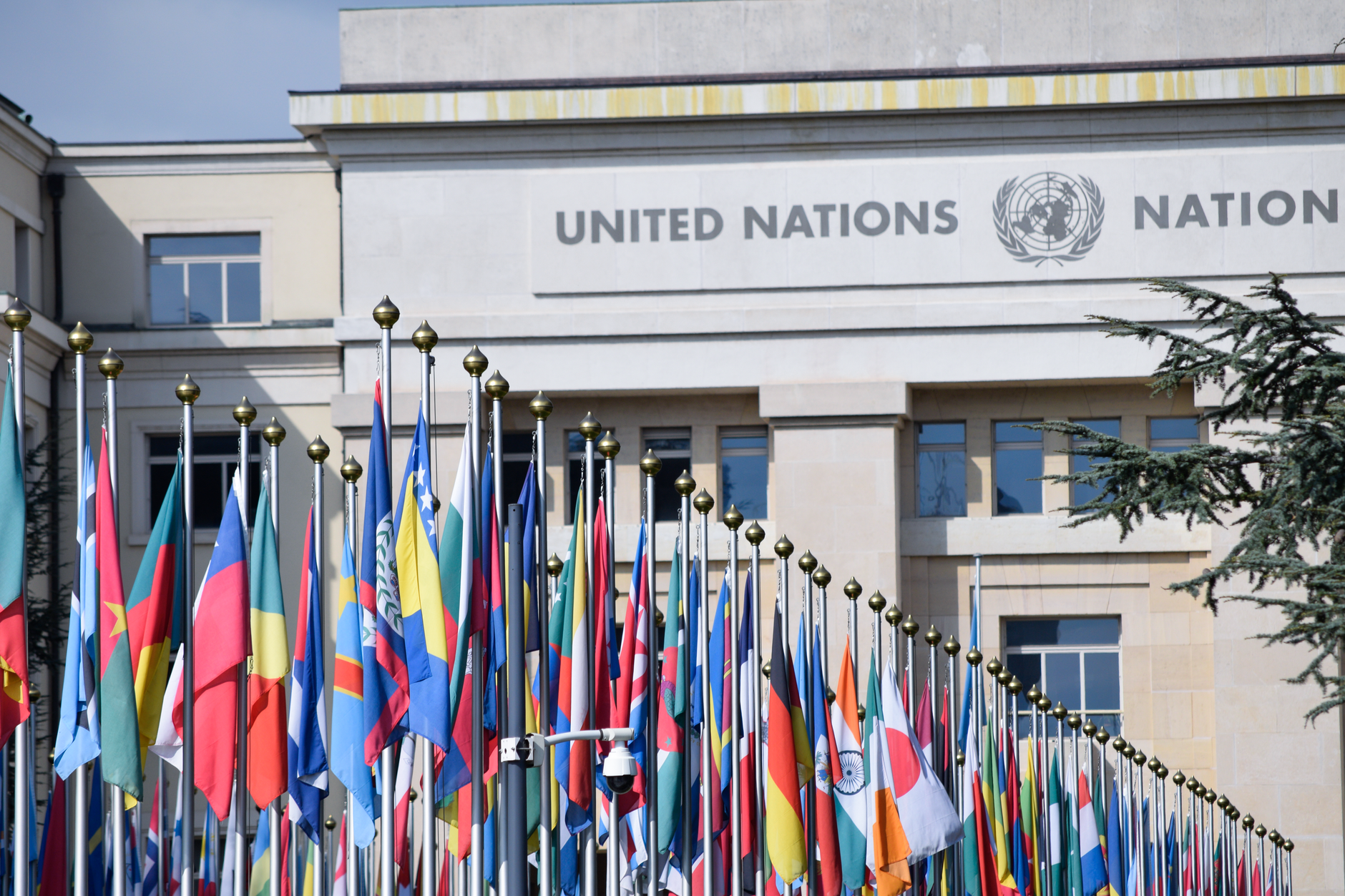
The international community's involvement is a double-edged sword. While its support is crucial, the risk of exacerbating existing tensions cannot be overlooked. Any diplomatic manoeuvre must be carefully calibrated, lest it upset a delicate balance. The role of the United Nations, although sidelined in some efforts, remains pivotal in lending legitimacy to any resultant framework.
British Prime Minister Boris Johnson's recent remarks underscore the gravity of the situation. He emphasised the need for a diplomatic breakthrough, reiterating the UK's commitment to standing 'shoulder to shoulder' with international partners in pursuit of peace.
Path to Peace
To navigate Libya's tumultuous political terrain, a multifaceted approach is essential. This includes not only election logistics but also addressing underlying socio-economic grievances and ensuring regional cooperation. The path to peace is fraught with obstacles, but the stakes could not be higher.
In the end, Libya's future hinges on the international community's ability to act with unity and resolve. As history has shown, the road to peace is seldom straightforward, but it is a journey that must be undertaken. For Libya, and indeed the world, the imperative is clear: diplomacy must find a way forward.