Lichens: Nature's Environmental Sentinels Unearthed in India
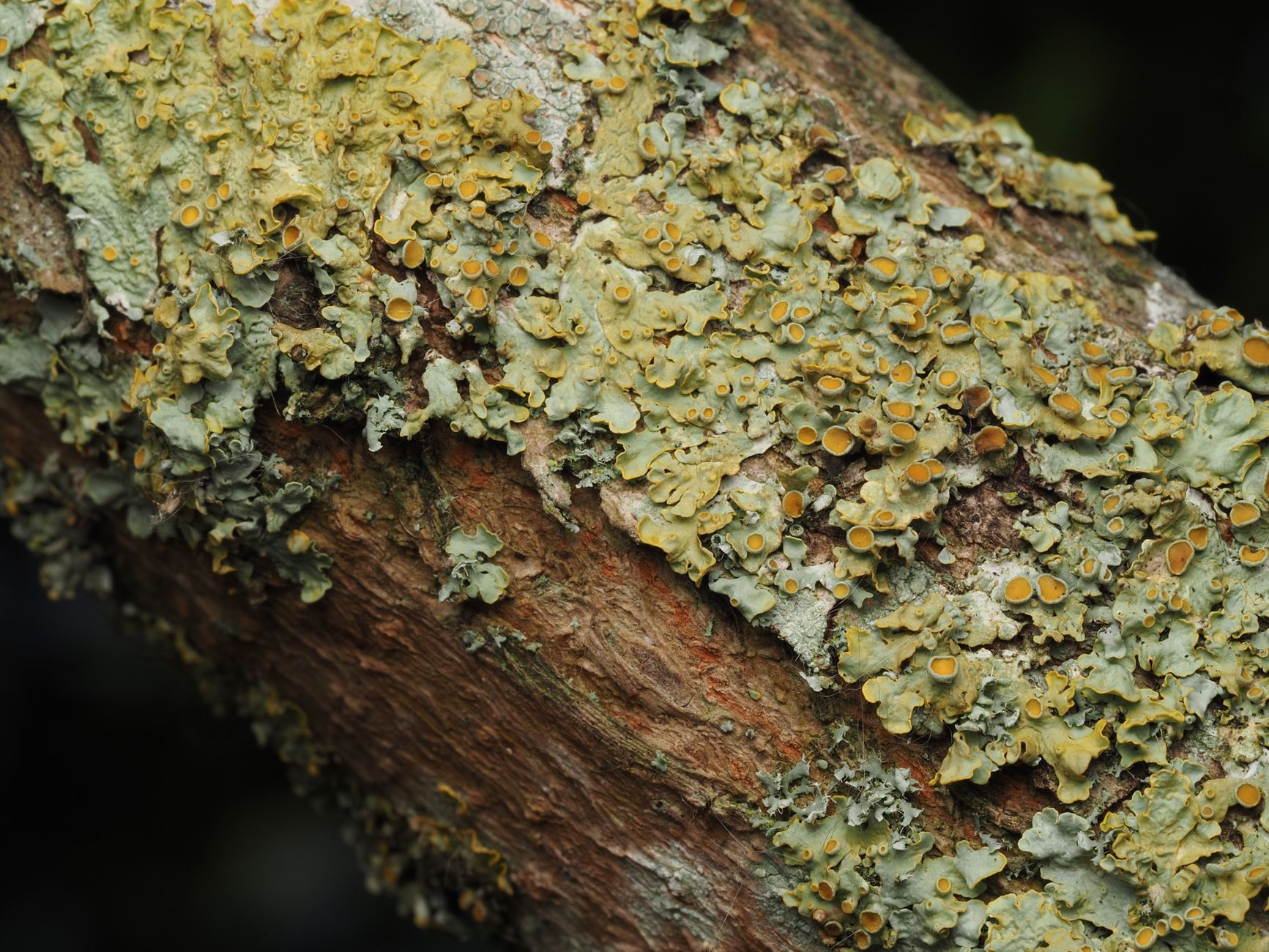
Amidst the verdant landscapes of Madhya Pradesh, a discovery of ecological significance has emerged. Scientists from the CSIR-National Botanical Research Institute (CSIR-NBRI) have identified nine previously unreported lichen species in the districts of Maihar and Satna. While lichens might appear as mere growths clinging to rocks and trees, their role in environmental monitoring is far from trivial.
Lichens, composed of a symbiotic relationship between fungi and algae, have long intrigued ecologists with their sensitivity to air quality. These humble organisms absorb pollutants directly from the air, effectively documenting the environmental conditions of their surroundings. The nine newly identified species join a list of 64 lichen varieties catalogued in the region, marking a leap forward in our understanding of these natural bioindicators.
The Role of Lichens in Pollution Monitoring
For decades, lichens have served as biological monitors, providing insight into the presence and concentration of atmospheric contaminants. Their ability to absorb sulphur dioxide and heavy metals makes them invaluable to scientists aiming to gauge industrial pollution levels. The recent discoveries in Madhya Pradesh underscore the importance of lichens in crafting a comprehensive picture of environmental health.
Dr. Ramesh Gupta, a leading researcher on the project, remarked, "Lichens offer a window into understanding the invisible threats posed by pollution. Their presence or absence can tell us much about the air quality in a given area."
Implications for Environmental Policy
The implications of these findings extend beyond the boundaries of scientific inquiry. As India grapples with increasing pollution levels, the data gleaned from lichen studies could inform policy decisions. By monitoring lichen populations, policymakers can identify areas of concern and implement measures to mitigate environmental damage.
Moreover, the discovery of these species adds to the biodiversity catalogue of the region, highlighting the ecological wealth that India harbours. With each new finding, the case for conservation becomes ever stronger, urging stakeholders to protect these natural habitats.
In the ever-evolving field of environmental science, lichens remain steadfast sentinels, silently chronicling the health of our planet. As scientists continue their research, these recent discoveries remind us of the intricate connections that bind life on Earth and the pivotal role of seemingly inconspicuous organisms in safeguarding it.