Lifestyle Choices: The Two Habits Fueling Cancer Rates
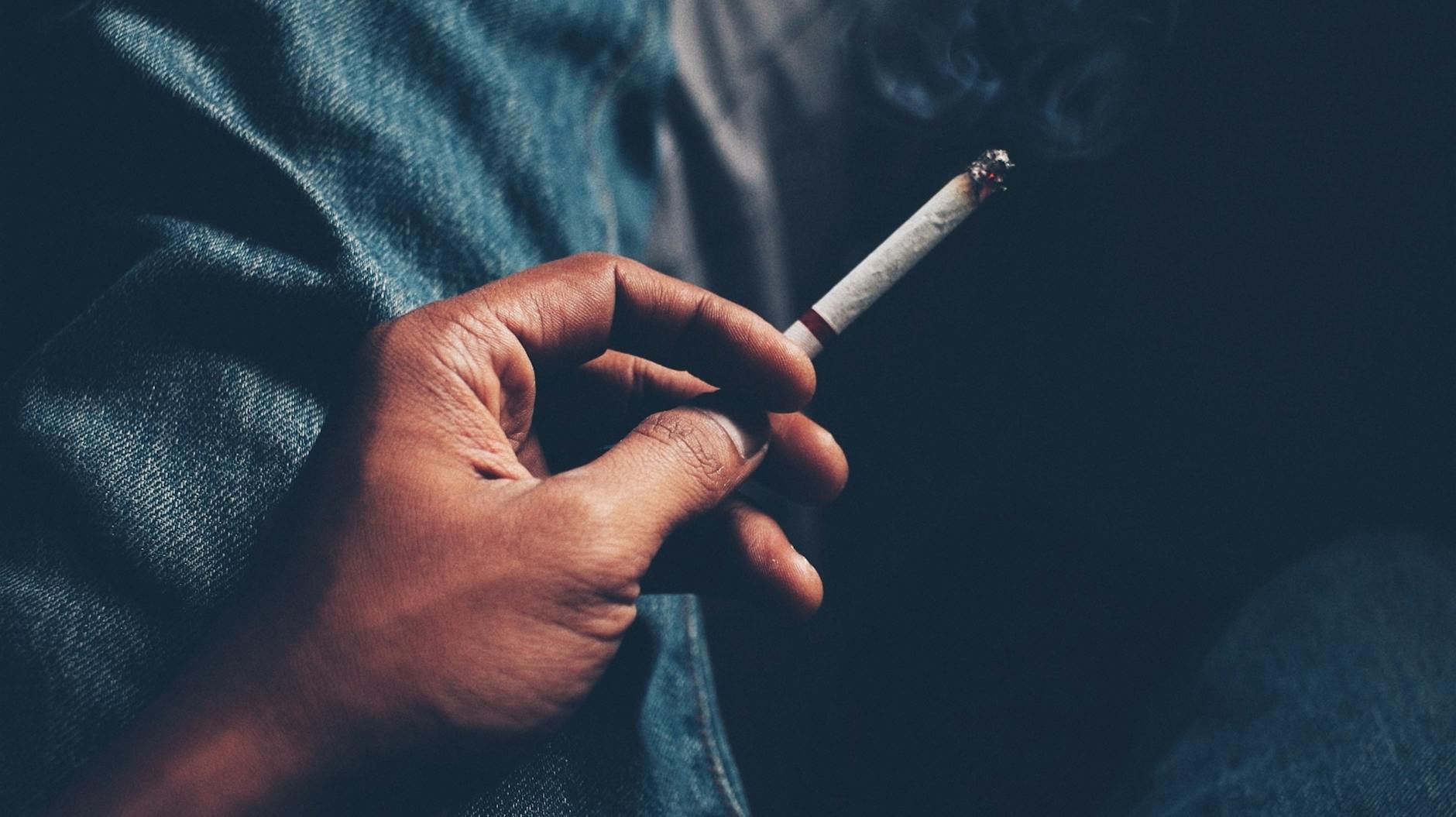
In the perennial battle against cancer, a recent study has uncovered a sobering truth: nearly half of preventable cancer cases can be traced back to just two lifestyle habits—smoking tobacco and drinking alcohol. Published in the journal Nature Medicine, the research conducted by the World Health Organisation’s International Agency for Research on Cancer (IARC) reveals the stark reality that these modifiable habits are a major driving force behind cancer incidence globally.
According to the study, tobacco use remains the chief culprit, responsible for a staggering number of cases. Alcohol, while not as predominant, still accounts for a significant portion, implicated in over 3.2 percent of all new cancer diagnoses. These findings are based on 2022 data, which estimated that around 37% of cancer cases worldwide were preventable.
The implications of these statistics are profound. In a world where cancer is often seen as an inevitable affliction, the fact that simple lifestyle alterations could prevent millions of cases is both encouraging and frustrating. Encouraging, because it offers a tangible path to reducing cancer risk; frustrating, because these habits are deeply ingrained in cultures worldwide.
The Role of Tobacco and Alcohol
Smoking has long been linked to various forms of cancer, including lung, throat, and mouth cancers. The carcinogens in tobacco are well-documented, and the public health campaigns against smoking are extensive. Yet, the habit remains stubbornly persistent.
Alcohol, on the other hand, is often perceived as less dangerous. However, the study reminds us that its consumption is not without significant risk. Alcohol can lead to cancers of the liver, breast, and colon, among others. Reducing alcohol intake, therefore, emerges as a crucial step in cancer prevention.
Global Health Implications
The WHO study serves as a clarion call for public health policy. Encouragingly, the data suggests that lifestyle changes can have a substantial impact on cancer prevalence. Governments and health organisations are urged to intensify their efforts to curb tobacco and alcohol use through education, taxation, and regulation.
Ultimately, this research highlights the power of individual choice in the face of cancer. While genetic predispositions and other non-modifiable factors play a role, the choice to smoke or drink is within personal control. In the fight against cancer, it appears that prevention is not only possible but practical.