Lingering Shadows: Health Threats After Nepal's Floodwaters Retreat
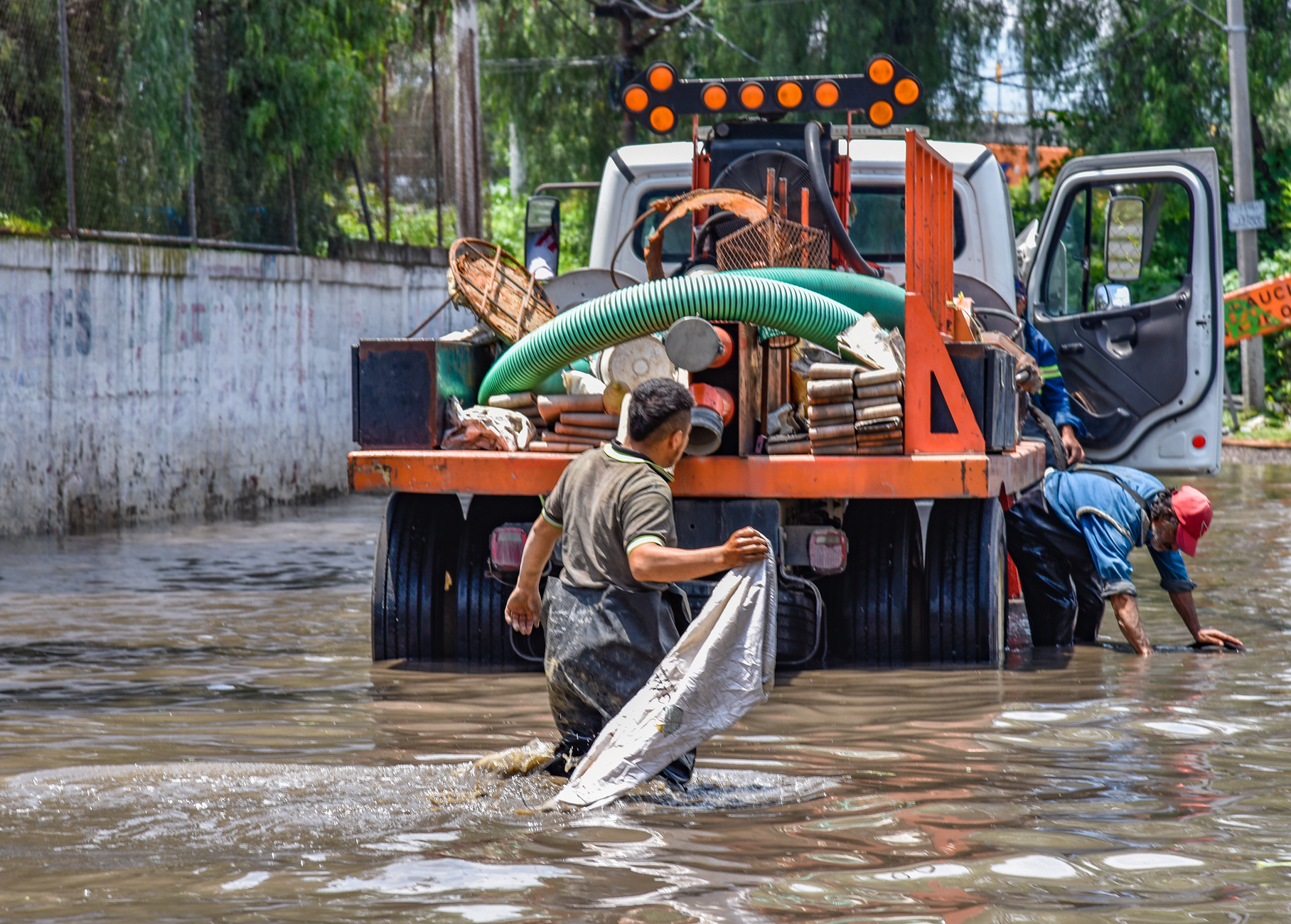
When the floodwaters in Nepal finally receded, they left behind a stark reminder of nature's fury. Yet, as the muddy remnants dry up, a more insidious threat comes to the fore — one that lingers long after the waters have gone.
In the immediate aftermath of the floods, the focus is often on rescue operations, counting the dead, and rebuilding homes. However, the health risks that follow in the wake of such disasters are just as perilous. In the case of Nepal, the primary concern is water contamination. With sanitation systems overwhelmed and clean water sources compromised, the potential for waterborne diseases rises alarmingly.
The Invisible Threat: Contaminated Water
Contaminated water poses a significant threat to the health of those affected by the floods. Diseases such as cholera, dysentery, and typhoid thrive in such conditions. The challenge for health authorities is not just treating these illnesses but preventing their outbreak in the first place. This requires a coordinated effort to provide clean drinking water and adequate sanitation facilities — a task that is daunting in the best of times, let alone amidst the aftermath of a disaster.
Long-term Mental Health Impact
Beyond physical ailments, the psychological impact of such disasters can be profound and lasting. Children, in particular, who have witnessed the destruction of their homes and communities, may experience lasting trauma. Mental health support is crucial, yet often overlooked in the rush to address more immediate physical needs. Nepal's healthcare system, already stretched thin, must find ways to offer psychological support to those in need.
Meanwhile, the spectre of further landslides looms large, with warnings from neighbouring China keeping teams on high alert. This constant threat exacerbates the stress and anxiety felt by flood survivors, compounding their mental health struggles.
As Nepal navigates this complex web of challenges, the need for robust medical preparedness becomes ever clearer. The government, alongside international partners, must prioritise not only the rebuilding of infrastructure but also the fortification of its healthcare system to withstand future calamities. While the floodwaters may have retreated, the battle for health and well-being in Nepal is far from over.