Liraglutide: A New Era in Weight Loss Solutions
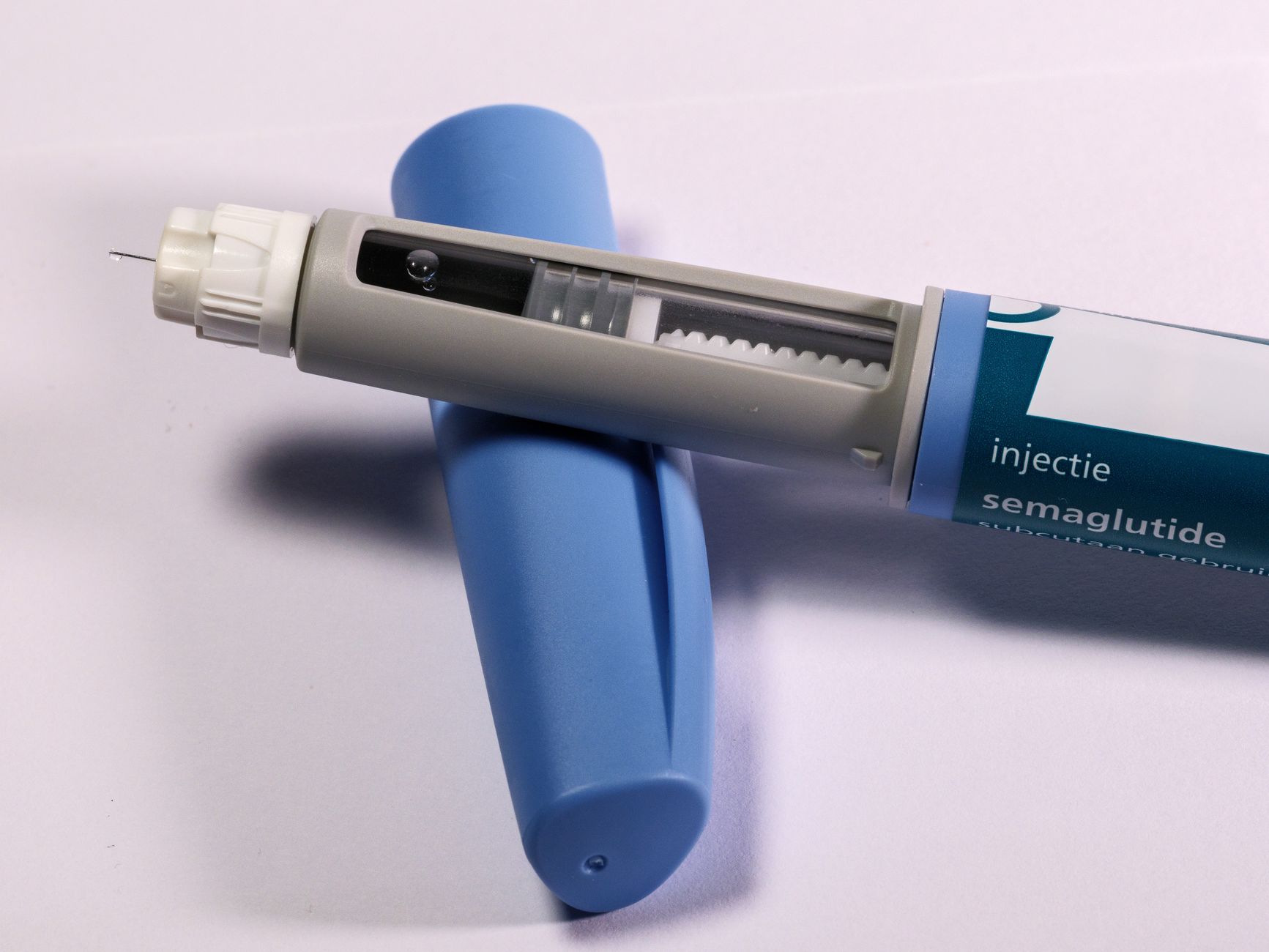
When it comes to weight loss, the quest for the perfect solution is a perennial one. Enter Liraglutide, a medication that has been making headlines for its potential to assist individuals in shedding those stubborn kilos. Unlike many of its counterparts, Liraglutide does not primarily suppress appetite. Instead, it works by enhancing feelings of fullness and reducing cravings, making the often-daunting task of healthy eating significantly easier.
Liraglutide is administered as a daily injection, a method which may put some off but is deemed necessary for its efficacy. The medication, originally developed for diabetes management, has found a new lease of life in aiding weight loss, particularly when combined with lifestyle counselling.
How It Works
At the heart of Liraglutide's mechanism is its role as a glucagon-like peptide-1 (GLP-1) receptor agonist. This means that it mimics the effects of GLP-1, a hormone involved in appetite regulation. By slowing gastric emptying and promoting insulin secretion, it not only aids in controlling blood sugar levels but also helps manage weight.
However, as with all medications, there are caveats. Common side effects include nausea and vomiting, with some patients experiencing more severe reactions such as pancreatitis or gallstones. It's crucial, therefore, that Liraglutide is taken under strict medical supervision.
Weighing the Risks
Despite the promise Liraglutide holds, it is not a magic bullet. The medication is part of a broader strategy, one that includes diet and exercise. Moreover, while some individuals experience significant weight loss, around 10% discontinue treatment due to adverse effects. This highlights the importance of a tailored approach, with healthcare providers playing a pivotal role in monitoring treatment and adjusting dosages as necessary.
In conclusion, while Liraglutide offers a promising avenue for those struggling with weight management, it is not without its challenges. As with any medication, the benefits must be weighed against the risks, and its use must be carefully considered and closely monitored.