Mangrove Forests Show Signs of Recovery, Boosting Coastal Resilience
Amidst growing environmental concerns, a rare piece of positive news emerges from the world's coastlines. Mangrove forests, once teetering on the brink of devastation, are now showing signs of rejuvenation. According to a study conducted by Tulane University, these critical coastal ecosystems are bouncing back, countering decades of losses through natural regrowth and expansion.
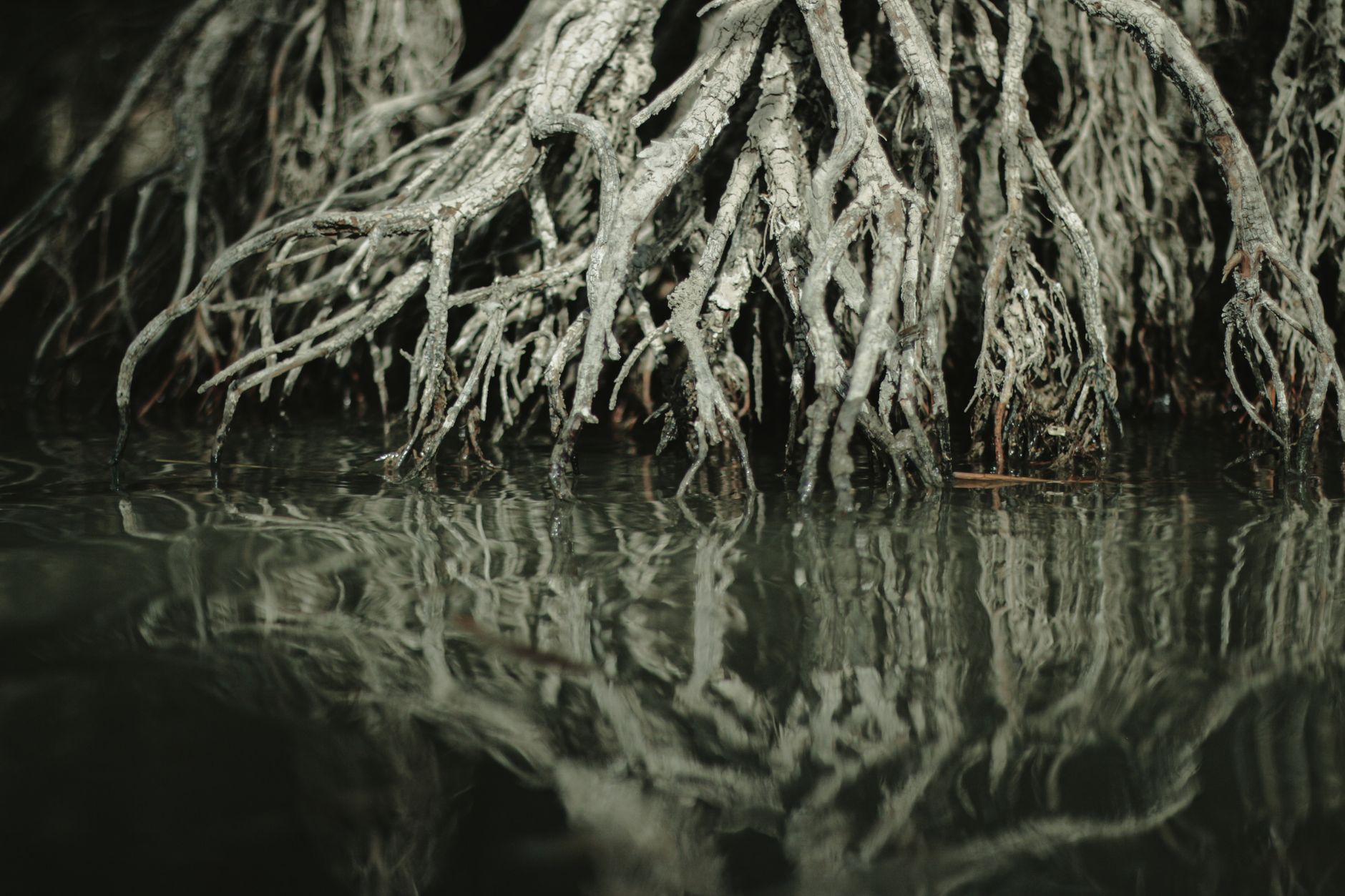
This resurgence is particularly significant given the dual role mangroves play in both ecological balance and climate mitigation. Capable of storing up to four times as much carbon as terrestrial forests, mangroves are invaluable allies in the fight against climate change. Their dense roots not only trap sediments but also provide a haven for a myriad of marine species, nurturing biodiversity beneath their tangled canopies.
The Role of Climate Phenomena
Despite this heartening recovery, mangroves remain susceptible to the whims of climate phenomena such as El Niño and La Niña. These cyclical events can cause dramatic shifts in weather patterns, affecting water salinity levels and, subsequently, the health of mangrove forests. As researchers point out, the resilience of these ecosystems hinges on healthy upstream environments.
Long-established mangrove forests are reportedly becoming healthier, a trend attributed to effective conservation strategies and natural adaptation processes. However, the ongoing threat of climate change necessitates vigilance. The interplay between human activity and natural cycles remains crucial in determining the future of these vital ecosystems.
Conservation and Management
While the current trend is promising, experts warn that it is imperative to manage upstream activities to prevent detrimental effects on mangrove habitats. Sustainable practices in agriculture, urban development, and water management are essential to maintaining the health of these forests.
This recovery story is a reminder of nature's resilience and the impact of concerted conservation efforts. As mangroves continue their comeback, they fortify coastlines, support biodiversity, and combat climate change, underscoring the need for ongoing protection and sustainable management.