Margaret Hamilton: The Woman Who Led Us to the Moon
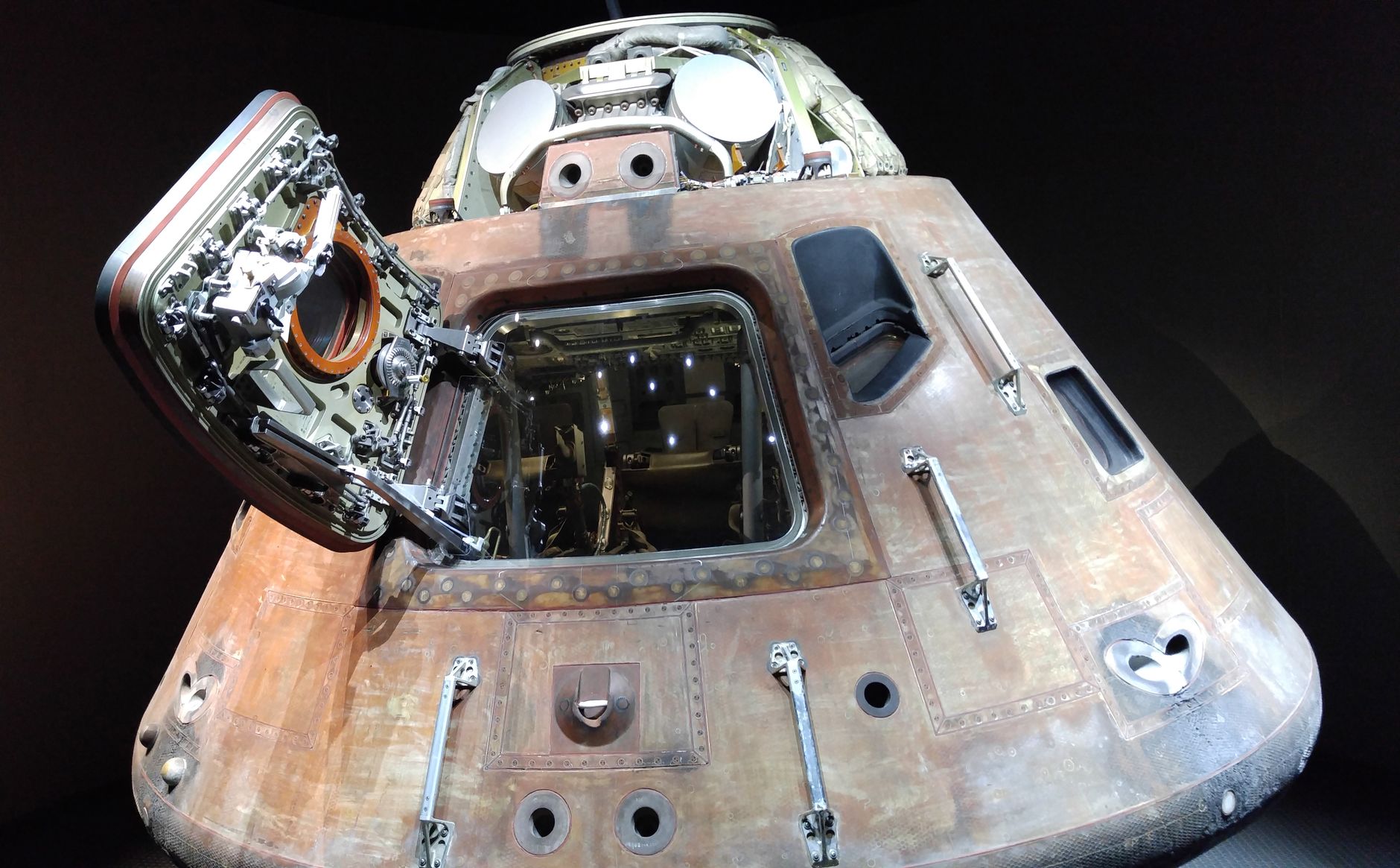
Margaret Hamilton, the formidable computer scientist whose work with NASA's Apollo programme ensured humanity's first steps on the Moon, has died at the age of 90. Her passing marks the end of an era for those who recognise the quiet, relentless genius behind one of history's most celebrated technological feats.
In the 1960s, at a time when women in science were often relegated to the background, Hamilton stood at the forefront of a new discipline: software engineering. Leading the Software Engineering Division at MIT's Instrumentation Laboratory, she orchestrated the development of the on-board flight software for the Apollo Guidance Computer. This was no small feat; it was a task that required precision, innovation, and an unyielding commitment to excellence.
A Visionary in a Male-Dominated Field
Hamilton's work was crucial in the success of the Apollo missions, particularly the historic Apollo 11 landing in 1969. Her meticulous code ensured that astronauts could navigate the perilous journey to and from the Moon, laying the groundwork for future space exploration. Indeed, her contributions were so significant that she was awarded the Presidential Medal of Freedom by President Barack Obama in 2016.
Beyond her technical prowess, Hamilton was a visionary who foresaw the potential of software to transform technology. She coined the term 'software engineering', advocating for the recognition of software development as a legitimate engineering discipline. Her insistence on rigorous testing and reliability set standards that have become fundamental in today's tech-driven world.
Legacy and Influence
Hamilton's legacy extends far beyond her work with Apollo. She inspired generations of women to pursue careers in STEM fields, breaking barriers and challenging stereotypes. Her story is a testament to the power of perseverance, innovation, and vision.
As we reflect on her life's work, we remember a woman who not only reached for the stars but helped us touch them. Her influence will continue to be felt, not just in the annals of space exploration, but in every line of code written by those who dare to dream big.