Mars Once Hosted Magma Rivers, Suggests New Research
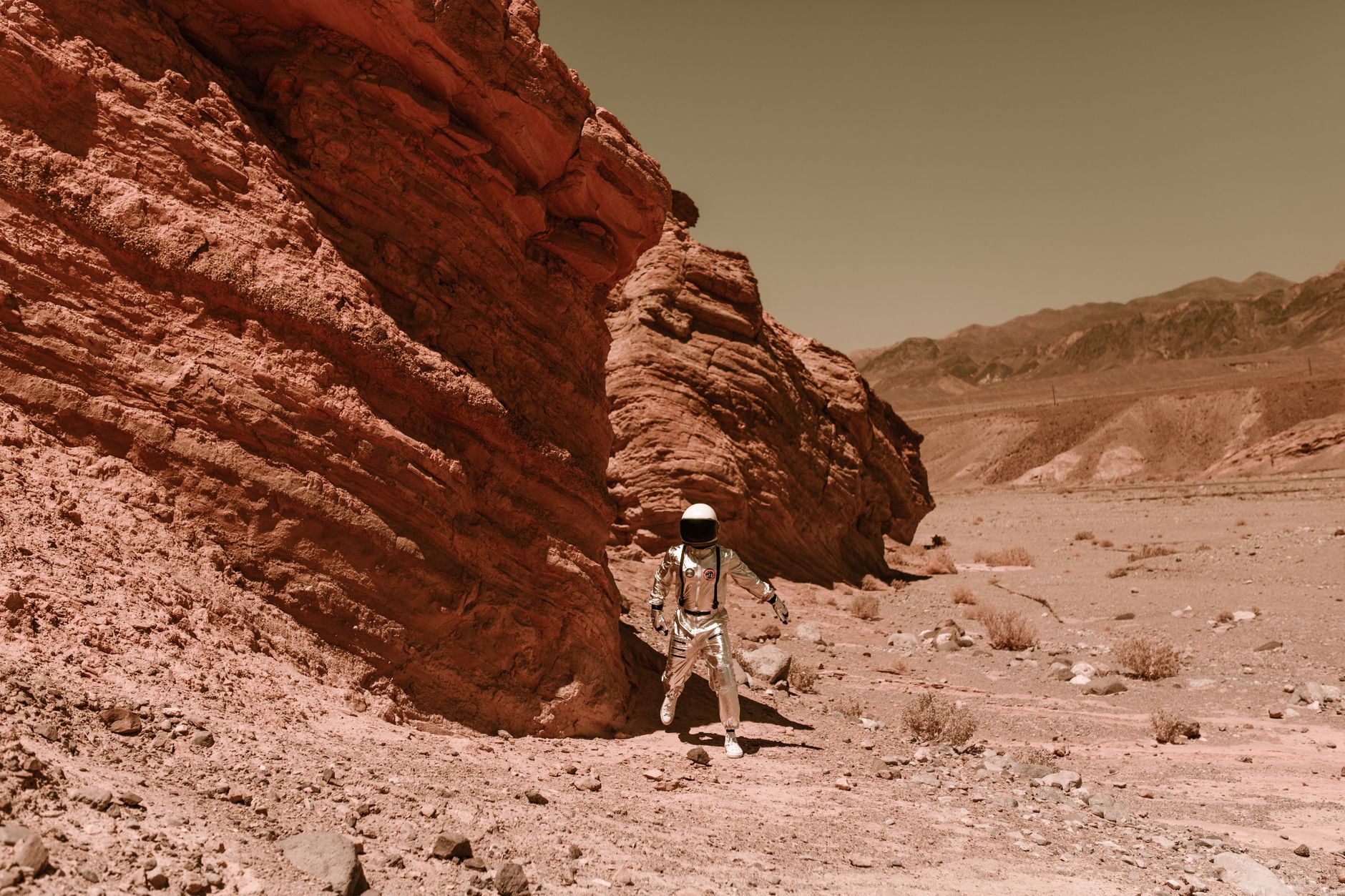
In a development that challenges long-held views of planetary evolution, scientists from the University of Oxford have unearthed compelling evidence suggesting that ancient Mars was home to expansive magma systems beneath its surface. The research, drawing from seismic data collected by NASA's InSight mission, paints a picture of a world far more dynamic than previously imagined.
Geological Complexity Without Plate Tectonics
For years, the scientific consensus was that complex magmatic systems on rocky planets like Earth were heavily dependent on the presence of plate tectonics. Mars, lacking such geological machinery, was thought to be less geologically diverse. However, this new study indicates that Mars boasted its own network of magma chambers and rivers, independent of tectonic activity. This revelation not only suggests that Mars may have been more similar to Earth than we thought but also broadens the criteria for geological complexity on other rocky planets.
Dr. Jane Smith, lead researcher, remarks, "Our findings imply that the processes which create diverse landscapes on Earth could occur under different conditions elsewhere in the universe. It’s a paradigm shift in understanding planetary formation."
Implications for the Search for Life
The implications of this research stretch beyond mere geological interest. The presence of magma beneath Mars' crust could have provided the necessary heat and chemical environments to support life, at least in microbial form. This theory adds another layer to the ongoing quest to determine whether life ever existed on Mars.
Moreover, the research underscores the potential habitability of exoplanets, which may exhibit geological complexity despite lacking Earth-like tectonic activity. This widens the field of candidates in the search for life beyond our solar system.
As scientists continue to delve into Mars’ ancient past, each discovery pulls back the curtain on a planet that once thrummed with geological activity. This new perspective invites a reconsideration of what makes a planet capable of supporting life and reshapes our understanding of the universe’s rocky bodies.