Maruti Suzuki's E100 Flex Fuel Car to Debut on World Environment Day
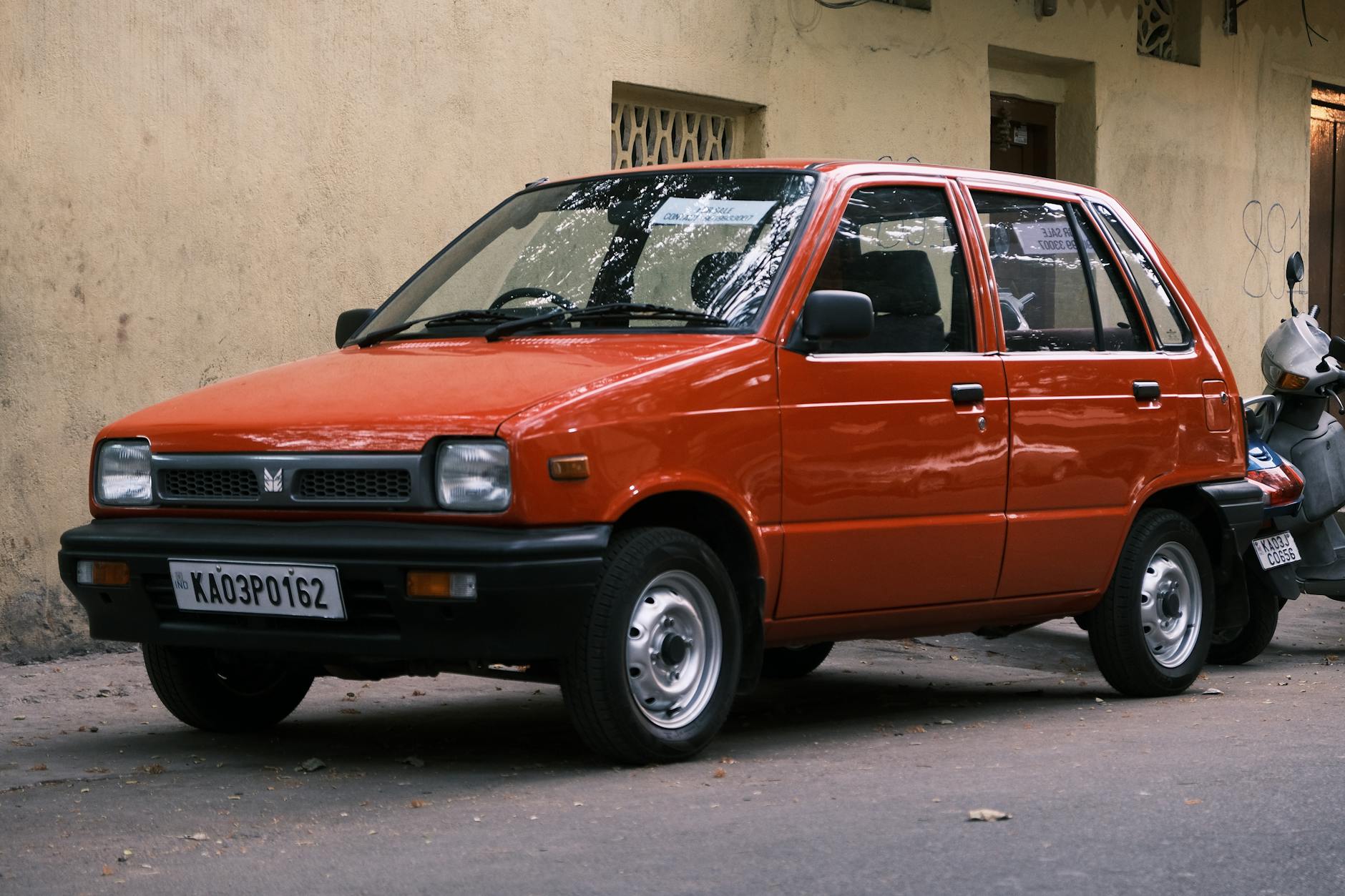
In a bold stride towards sustainable transportation, Maruti Suzuki is set to unveil India's first E100 flex-fuel vehicle on June 5, coinciding with World Environment Day. This announcement was made by Union Minister Nitin Gadkari, underscoring the government's commitment to reducing dependency on traditional fossil fuels and enhancing the nation's energy security through ethanol-based alternatives.
The launch is a part of a broader strategy to encourage the use of biofuels, which are seen as crucial in the fight against climate change. By adopting such technologies, India aims to cut down its fuel import bill and reduce carbon emissions, aligning with global efforts to mitigate environmental impact.
A Step Towards Cleaner Energy
Flex-fuel vehicles like the one Maruti Suzuki plans to introduce can run on a blend of petrol and ethanol, with the E100 variant capable of operating on 100% ethanol. Ethanol, derived mainly from sugarcane or corn, is a renewable resource that burns cleaner than conventional petrol.
This vehicle is expected to be a version of the popular WagonR, a staple in Indian households known for its affordability and efficiency. The move to an E100-compatible model signifies a major shift in the company’s strategy, aligning its products with the government's vision for a greener future.
Government's Ethanol Push
India has been progressively increasing its ethanol blending targets, with the government aiming for a 20% ethanol mix in petrol by 2025. The introduction of flex-fuel vehicles is seen as a pivotal step towards achieving these objectives, providing consumers with more environmentally friendly choices.
Minister Gadkari has been a vocal advocate for alternative fuels, frequently highlighting their benefits not only to the environment but also to the economy. The launch of Maruti Suzuki's E100 flex-fuel car is expected to herald a new era in India's automotive industry, paving the way for other manufacturers to follow suit.
As the world grapples with the dual challenges of energy security and environmental conservation, India's foray into ethanol-based mobility could serve as a model for other emerging economies. The success of such initiatives will depend largely on infrastructure development and public acceptance, but the potential benefits make it a gamble worth taking.