Maruti Suzuki's Flex Fuel Car Debut on Environment Day
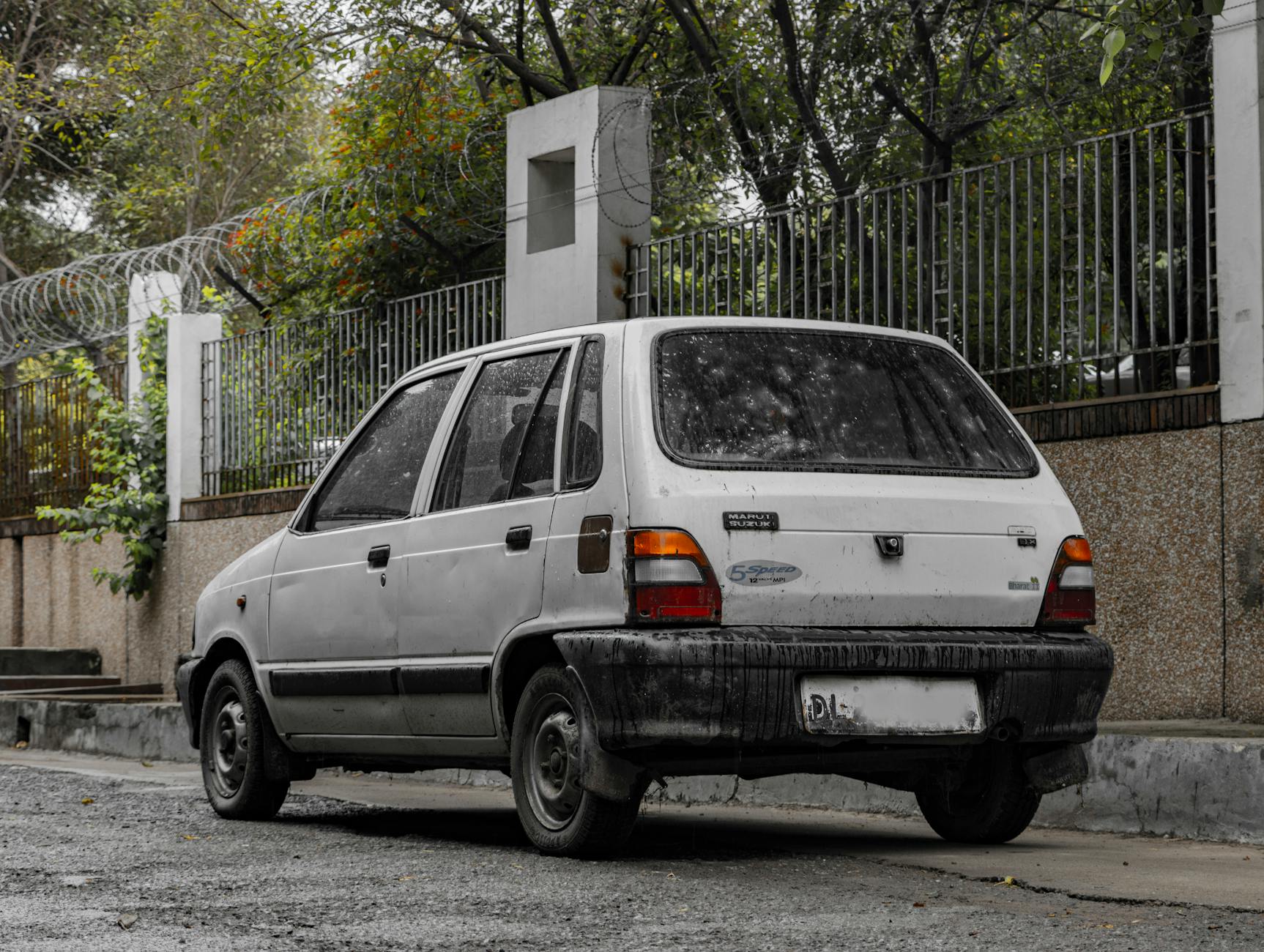
In a move that signals a new era for India's automotive sector, Maruti Suzuki is poised to unveil its first E100 flex-fuel vehicle on World Environment Day, June 5th. The announcement was made by Nitin Gadkari, the Minister of Road Transport and Highways, during a recent event in Nagpur. This launch is not just another addition to Maruti's lineup but a landmark in India's transition towards ethanol-based fuels.
The introduction of a flex-fuel vehicle capable of running on 100% ethanol represents a significant stride in addressing two critical issues: reducing reliance on imported fossil fuels and mitigating environmental pollution. As India grapples with the dual challenges of energy security and climate change, the push towards ethanol is both timely and necessary.
Pioneering Green Mobility
The upcoming vehicle is expected to be a variant of the popular Maruti Suzuki WagonR, albeit with a significant twist. While the company has been tight-lipped about the specifics, the model will be one of the first in India to support such high ethanol blends, even before the fuel becomes widely available in the market. This proactive approach reflects a strategic alignment with government policies aimed at promoting alternative fuels.
Gadkari's announcement underscores the government's commitment to fostering an environment conducive to sustainable innovation. The flex-fuel vehicle not only aims to reduce emissions but also offers consumers a cheaper alternative to traditional petrol, given the rising fuel prices.
India's Ethanol Ambitions
India's ethanol blending programme has been gaining momentum, with targets to achieve 20% ethanol blending by 2025. The launch of Maruti's flex-fuel car is a crucial step towards this goal, encouraging more automakers to venture into this nascent yet promising sector. Ethanol, derived from sugarcane and other biomass, presents a renewable source of energy that fits well within the country’s agricultural framework.
As the world grapples with the effects of climate change, initiatives like these highlight the importance of innovation in the automotive industry. Maruti Suzuki's foray into flex-fuel vehicles could set a precedent for others, potentially reshaping the landscape of the Indian car market in the years to come.