Maui's Undersea Wastewater Connection Unveiled by Dye Test
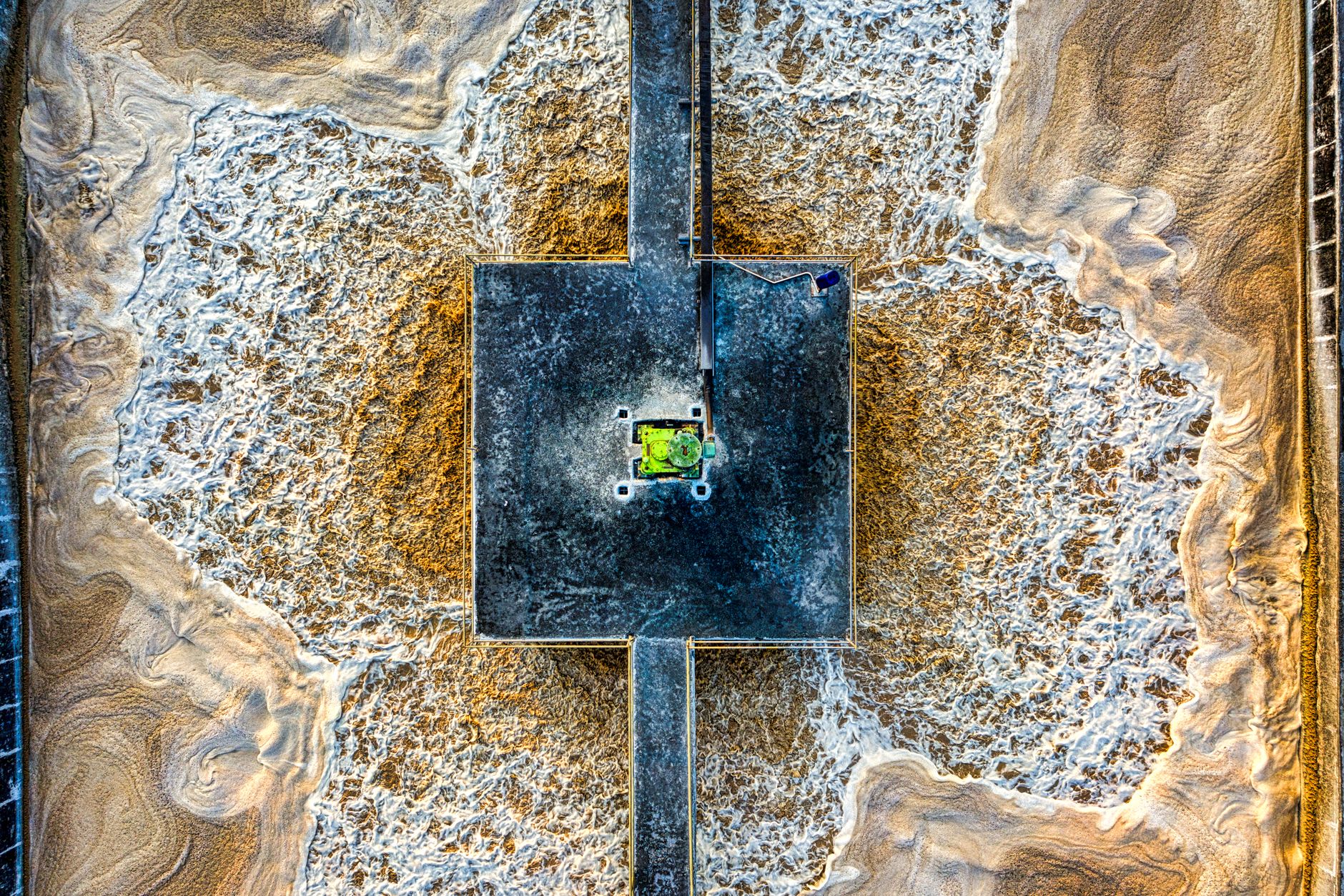
In the world of science, sometimes the simplest experiments yield the most profound insights. Back in 2011, a team of scientists embarked on a peculiar yet significant journey beneath the lush landscapes of Maui. Their mission was clear: to understand the mysterious pathways of wastewater beneath the island's surface.
Their tool of choice? A vibrant yellow-green fluorescein dye. This dye, often used in tracing studies thanks to its striking visibility, was injected into several wastewater wells across the island. What followed was a waiting game that lasted 84 days, culminating in the dye's reappearance near the Pacific Ocean. This confirmed long-held suspicions of an underground connection between the wells and the sea.
The Significance of the Findings
This revelation was not merely a scientific curiosity. It underscored the potential risks of untreated or inadequately treated wastewater reaching the ocean, where it could wreak havoc on delicate marine ecosystems. The implications for environmental policy and management in coastal regions are significant, prompting a re-evaluation of wastewater treatment protocols to prevent contamination.
The dye's journey beneath Maui served as a fluorescent wake-up call, illuminating the unseen pathways that can quietly transport pollutants to critical habitats. For the scientific community, it was a reminder of the interconnectedness of terrestrial and marine environments.
Broader Implications for Environmental Management
Beyond Maui, this study has resonated with environmental agencies across the globe. Coastal areas everywhere face similar challenges as they grapple with the balance between development and conservation. The study’s findings have prompted discussions about innovative wastewater management solutions that could mitigate such underground connections.
In a world increasingly aware of the impact of human activities on the environment, such experiments underscore the importance of thorough scientific inquiry and sustainable practices. As the dye test from 2011 revealed, sometimes the path to understanding is as vibrant as the yellow-green hue that lit up the Pacific shores.