MAVEN Reveals Martian Auroras in Unprecedented Detail
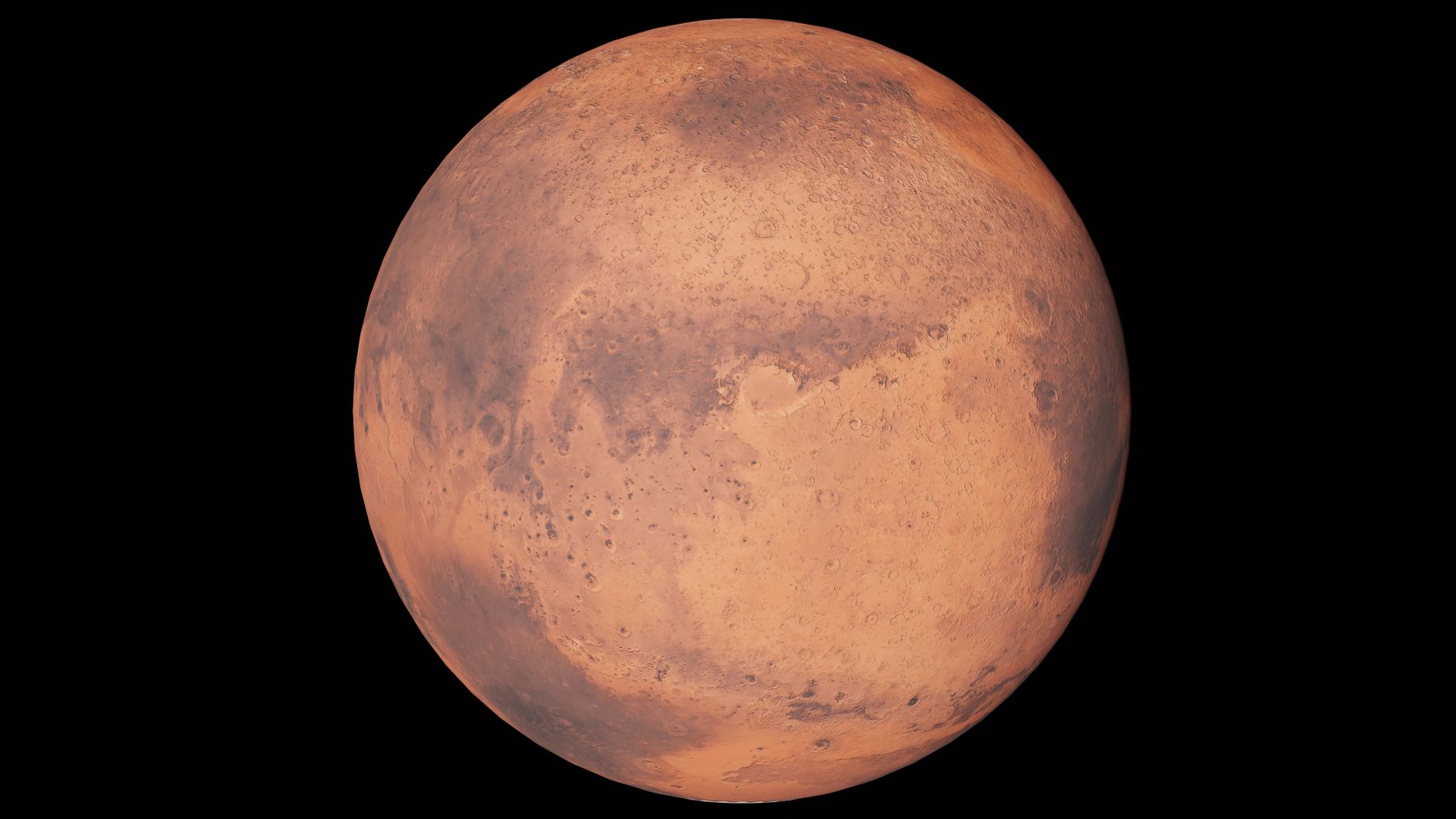
Against the barren red expanse of Mars, a celestial dance of light has been revealed, thanks to NASA's MAVEN spacecraft. For the first time, scientists have observed two distinct types of auroras simultaneously illuminating the Martian atmosphere, offering a glimpse into the planet's climatic past and its ongoing interaction with solar winds.
Unlike Earth, where auroras are often confined to high latitudes near the poles, Mars' auroras can occur across the entire planet. This wide distribution is due to the absence of a global magnetic field, allowing solar particles to interact more freely with the Martian atmosphere. MAVEN's recent observations have captured this phenomenon in unprecedented detail, marking a significant advancement in our understanding of Martian atmospheric dynamics.
The Science Behind Martian Auroras
The auroras on Mars are primarily driven by solar storms, which send charged particles hurtling towards the planet. When these particles interact with the atmospheric gases, they produce stunning displays of light. MAVEN's findings are particularly intriguing because they show that proton auroras, which are typically limited to small regions on Earth, can occur anywhere on Mars.
This discovery not only provides insight into the planet's current atmospheric conditions but also offers clues about its ancient climate. By studying these auroras, scientists hope to reconstruct Mars' atmospheric changes over billions of years, shedding light on how the planet lost its water and what it might have looked like in its early days.
Implications for Future Exploration
Understanding Martian auroras is critical for future missions to the Red Planet. The data gathered by MAVEN could inform the design of spacecraft and habitats, ensuring they can withstand the impact of solar storms. Moreover, these insights could help scientists determine the best locations for future exploration, particularly in the search for ancient habitable environments.
As we continue to unlock the secrets of Mars, MAVEN's contributions stand out as a testament to the power of scientific inquiry and the enduring allure of the cosmos. The auroras may be fleeting, but the knowledge they impart could illuminate Mars for generations to come.