Meet the Stretchy Beetles Named After Anime Hero Luffy
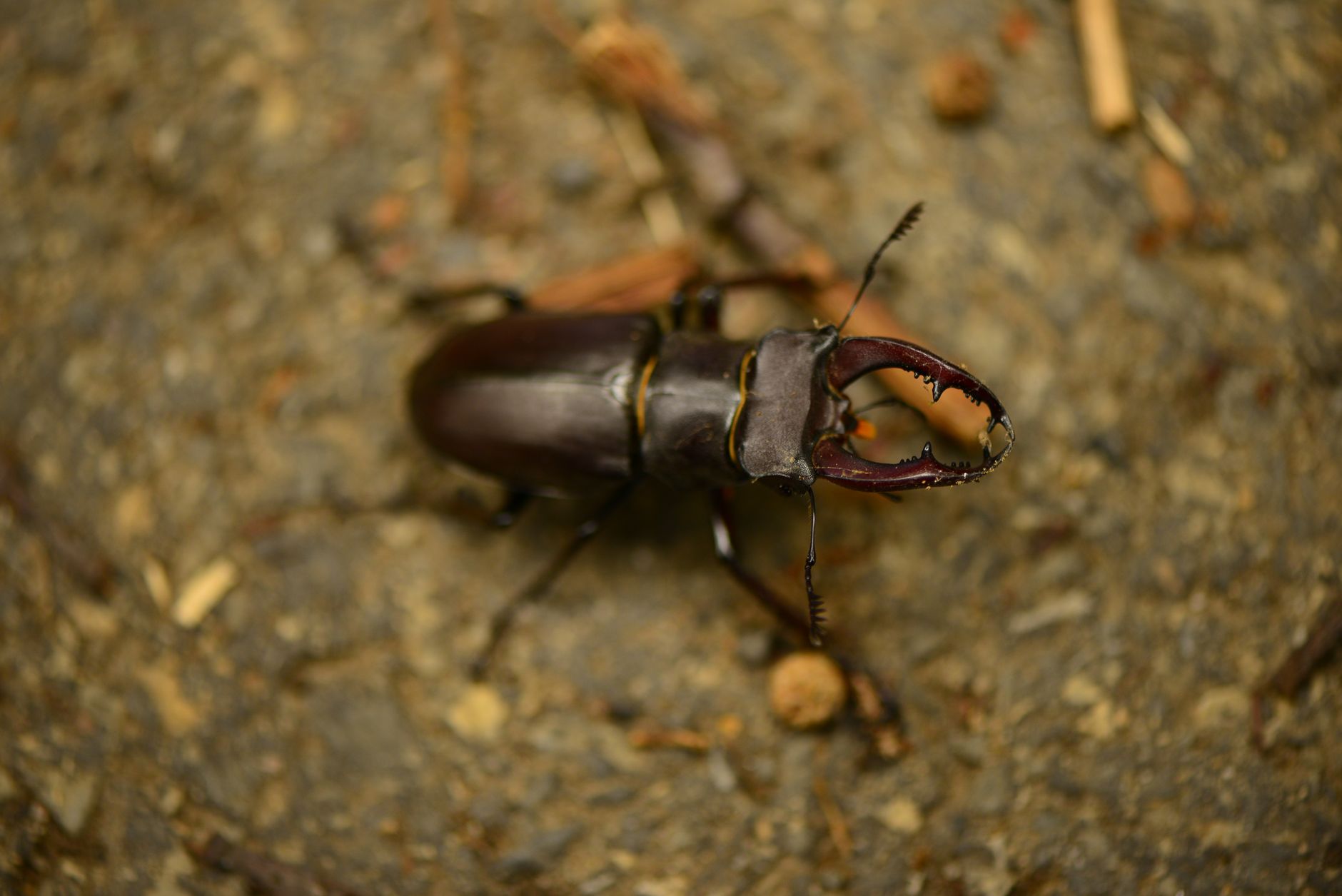
In a peculiar yet fascinating discovery, a new genus of beetles has been identified, characterised by its remarkably stretchy features. The scientists behind this find have whimsically named these insects 'Luffy', after the protagonist of the popular anime series 'One Piece', known for his extraordinary ability to stretch his body like rubber.
These beetles stand out due to their elongated mandibles, antennae, and mouthparts, which set them apart from the conventional hard-bodied insects that typically populate scientific journals. The beetles' striking resemblance to the anime character's abilities has not only captured the imagination of entomologists but has also sparked interest beyond the scientific community.
The Flexibility Factor
The newly discovered beetles are a testament to the incredible adaptability and diversity found in nature. Their elongated appendages allow them to manoeuvre through their environment in ways that more rigid insects cannot, potentially offering advantages in foraging and mating.
While such traits might seem unusual, they are not entirely unprecedented in the insect world. However, the degree of flexibility exhibited by these beetles is exceptional, prompting the researchers to draw parallels with the fictional Luffy, whose rubber-like body allows for a range of exaggerated movements and actions.
Influence of Pop Culture
It is not uncommon for scientists to draw inspiration from popular culture when naming new species, and this latest instance is a prime example. By choosing the name 'Luffy', the researchers have not only paid homage to a beloved character but have also made the discovery more accessible to the public.
The naming has sparked conversations about the intersection of science and culture, illustrating how the former can be enriched by the latter. It serves as a reminder that science does not exist in a vacuum but is continually influenced by the world around it.
This discovery adds a vibrant chapter to the ongoing story of Earth's biodiversity. As entomologists continue to explore the vast world of beetles, who knows what other surprises lie in store?