Meloni's Bold Move: Burqa Ban and Foreign Student Cap in Italy
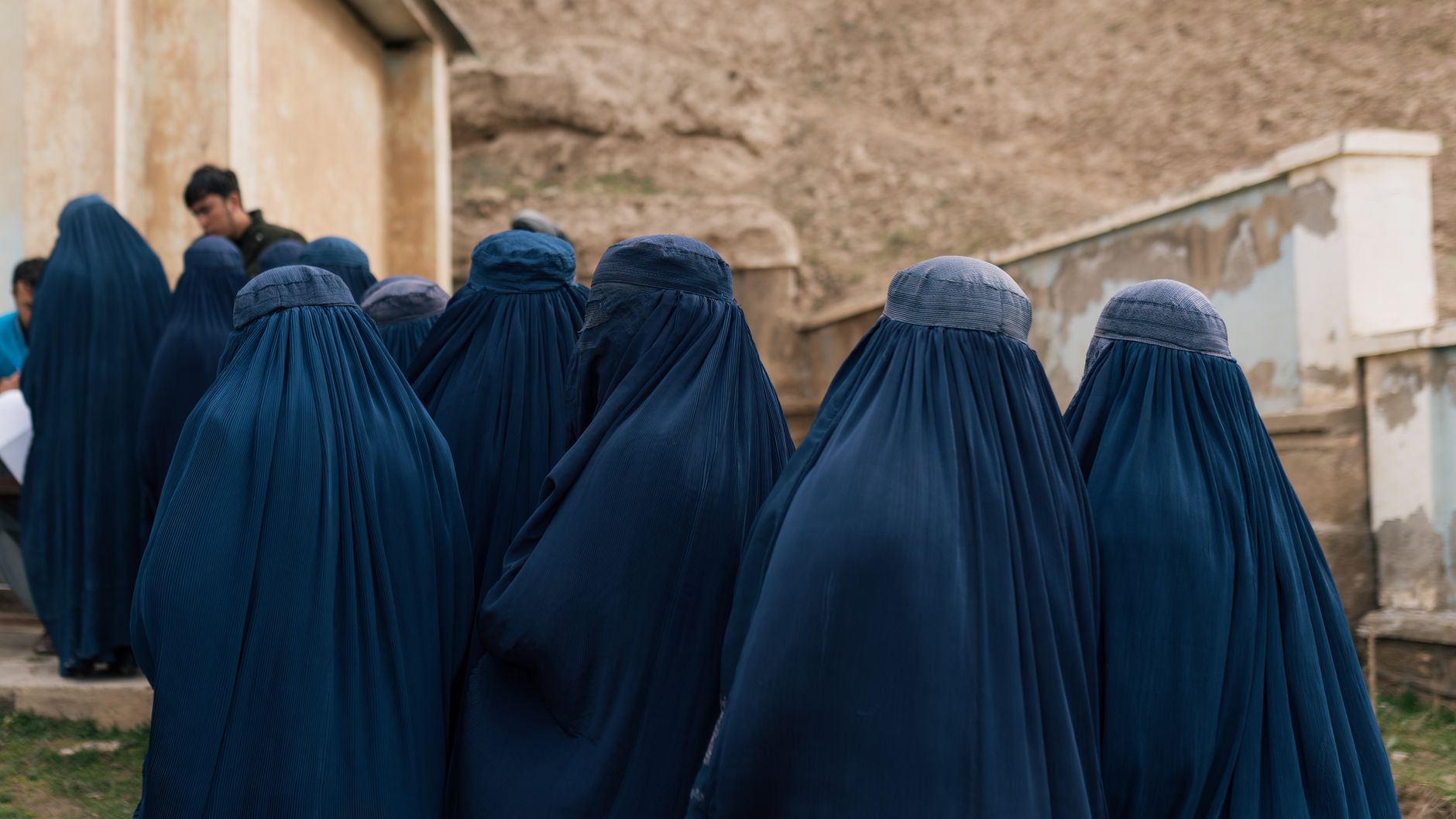
In a move that has sent ripples through the European educational landscape, Italian Prime Minister Giorgia Meloni has enacted a decree banning burqas and niqabs in schools and capping the number of foreign students. The decision is part of a broader strategy to reinforce Italian cultural identity amid a backdrop of increasing global migration.
The Meloni government’s decree, which requires parliamentary approval within sixty days, has already sparked fervent discussions across Italy and beyond. Supporters of the legislation argue that it will preserve Italian cultural values and ensure that students can integrate more effectively. Critics, however, warn that it risks stoking xenophobia and undermining Italy’s multicultural fabric.
A Question of Identity
The decision to ban face coverings in educational institutions is seen by some as an attempt to reaffirm Italy’s identity in a rapidly changing world. Prime Minister Meloni, a staunch advocate of national sovereignty, contends that the measure will help foster an environment where Italian values and traditions can thrive.
“We are not targeting any community,” Meloni stated in a recent interview. “Our aim is to create a cohesive society where everyone, regardless of background, shares a common sense of belonging.”
This policy also includes limiting the number of students who do not speak Italian fluently, ensuring that language does not become a barrier to education. The government has proposed compulsory Italian language lessons for the parents of non-Italian speaking students, further emphasising the importance of linguistic assimilation.
Debate and Dissent
Predictably, the decree has faced backlash from various quarters. Human rights advocates have criticised it as discriminatory, arguing that it unfairly targets Muslim communities. They contend that the burqa ban infringes on personal freedoms and religious expression.
Educational experts are also concerned about the cap on foreign students, suggesting it could lead to segregation and limit educational opportunities for immigrant children. “Education should be about inclusion, not exclusion,” noted Dr. Marco Ricci, an education policy analyst. “This approach may isolate those who most need support.”
As Italy grapples with these contentious issues, the world watches closely. The Meloni government’s bold policies could set a precedent for other nations wrestling with the challenges of cultural integration in increasingly diverse societies.