Meta Dismisses Claims of Bias in Brazil's Presidential Runoff
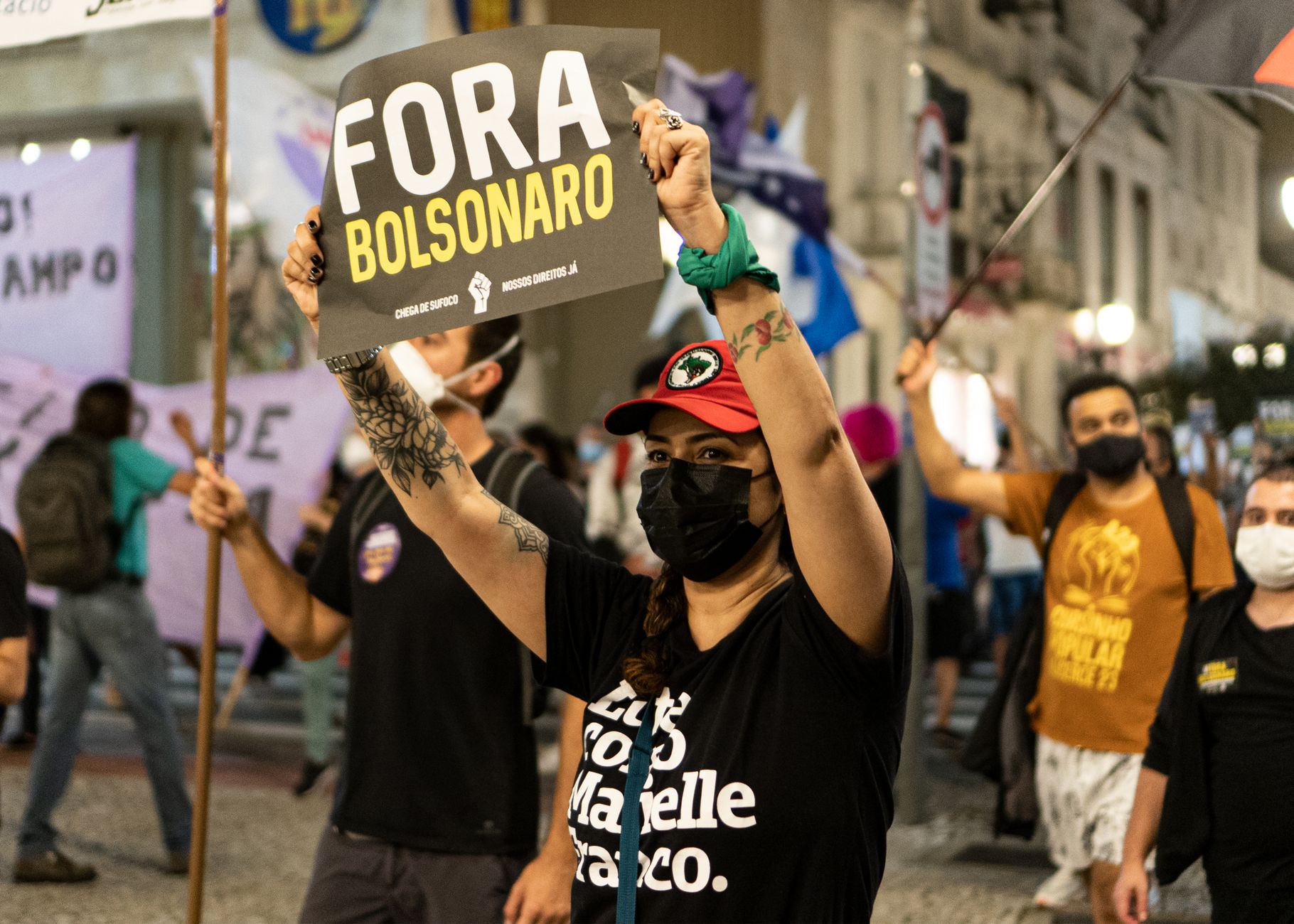
In the latest twist of Brazil's fractious presidential campaign, tech behemoth Meta has found itself at the centre of controversy, accused of political bias. The accusations have arisen after Brazil's Superior Electoral Court ruled that the social media giant must ensure equitable treatment of both incumbent Luiz Inácio Lula da Silva and his challenger Flávio Bolsonaro, as the nation inches towards a decisive runoff.
Meta, which owns Facebook, Instagram, and WhatsApp, swiftly denied the allegations, asserting its commitment to neutrality and its role as an impartial platform. A spokesperson stated, "We have robust measures to ensure fairness and transparency in our operations, especially during elections." This statement comes in the wake of mounting pressure to detail their content moderation policies and demonstrate neutrality.
Political Dynamics and Social Media
The accusations against Meta underscore the fraught relationship between social media platforms and political discourse. In a country where digital platforms are pivotal in shaping public opinion, the alleged bias has stirred significant concern. Lula's campaign has demanded immediate cessation of perceived content restrictions, urging for remedial measures to counterbalance any potential disparities in reach and engagement.
As the October 25 runoff approaches, the scrutiny of Meta's practices highlights broader questions about the influence of tech giants in democratic processes. Skeptics argue that the algorithms and moderation policies of such platforms can inadvertently sway public opinion, a charge that Meta consistently denies.
A Global Concern
This incident is not isolated. Globally, tech companies are grappling with similar allegations, as they navigate the complex interplay between free expression and responsible governance. The Brazilian court's ruling, while specific to this election, resonates with a universal call for transparency and accountability from tech firms.
As the world watches Brazil's electoral saga unfold, the role of social media in democratic processes remains under the spotlight. The outcome may well set a precedent for how digital platforms handle political content, not just in Brazil, but across the globe.