Meta Ordered to Pay $567 Million for Impact on Children's Mental Health
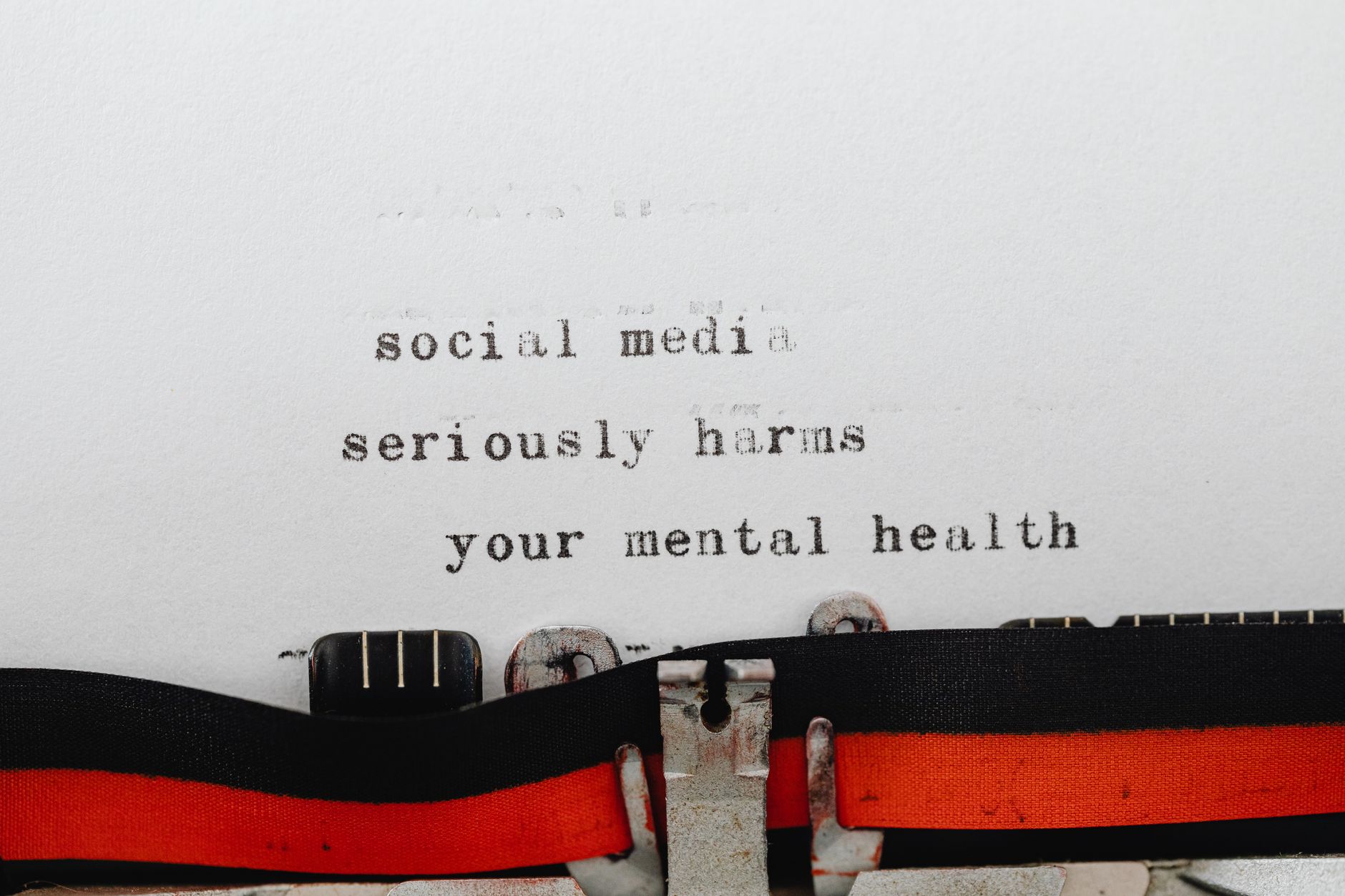
In a decision that might well send ripples across the tech industry, a court in New Mexico has decreed that Meta, the parent company of social media giants Facebook and Instagram, must pay a staggering $567 million. This substantial amount is earmarked to address the mental health repercussions faced by young people due to their engagement with these platforms.
The ruling, delivered by Judge Bryan Biedscheid, is part of the second phase of a high-profile trial that Meta lost earlier this year. It follows accusations that the company has not done enough to shield younger users from the adverse effects of prolonged social media exposure.
The Breakdown of the Settlement
Notably, $420 million of the total will be funnelled directly into treatment services for affected youth. The remainder of the funds is expected to support initiatives aimed at preventing further harm, including educational programmes and mental health awareness campaigns.
This case draws attention to an increasingly scrutinised issue: the impact of social media on mental health. Critics argue that platforms like Instagram and Facebook contribute to anxiety, depression, and other mental health struggles among teenagers and young adults.
A Call for Change
The court has not only imposed financial penalties but also insisted on systemic changes within Meta's operations. It has mandated the company to revise its algorithms and implement stronger safeguards to protect young users.
Meta, for its part, has expressed its commitment to improving its platforms. A spokesperson stated, "We are dedicated to ensuring our platforms are safe and supportive environments for our younger users." However, questions remain as to how these assurances will translate into actionable steps.
As the digital world continues to evolve, this ruling serves as a critical reminder of the responsibilities that come with technological innovation. While social media offers unprecedented connectivity, it also necessitates a careful balance to protect its most vulnerable users.