
Microchip Technology Finalises Strategic Acquisition of Hailo
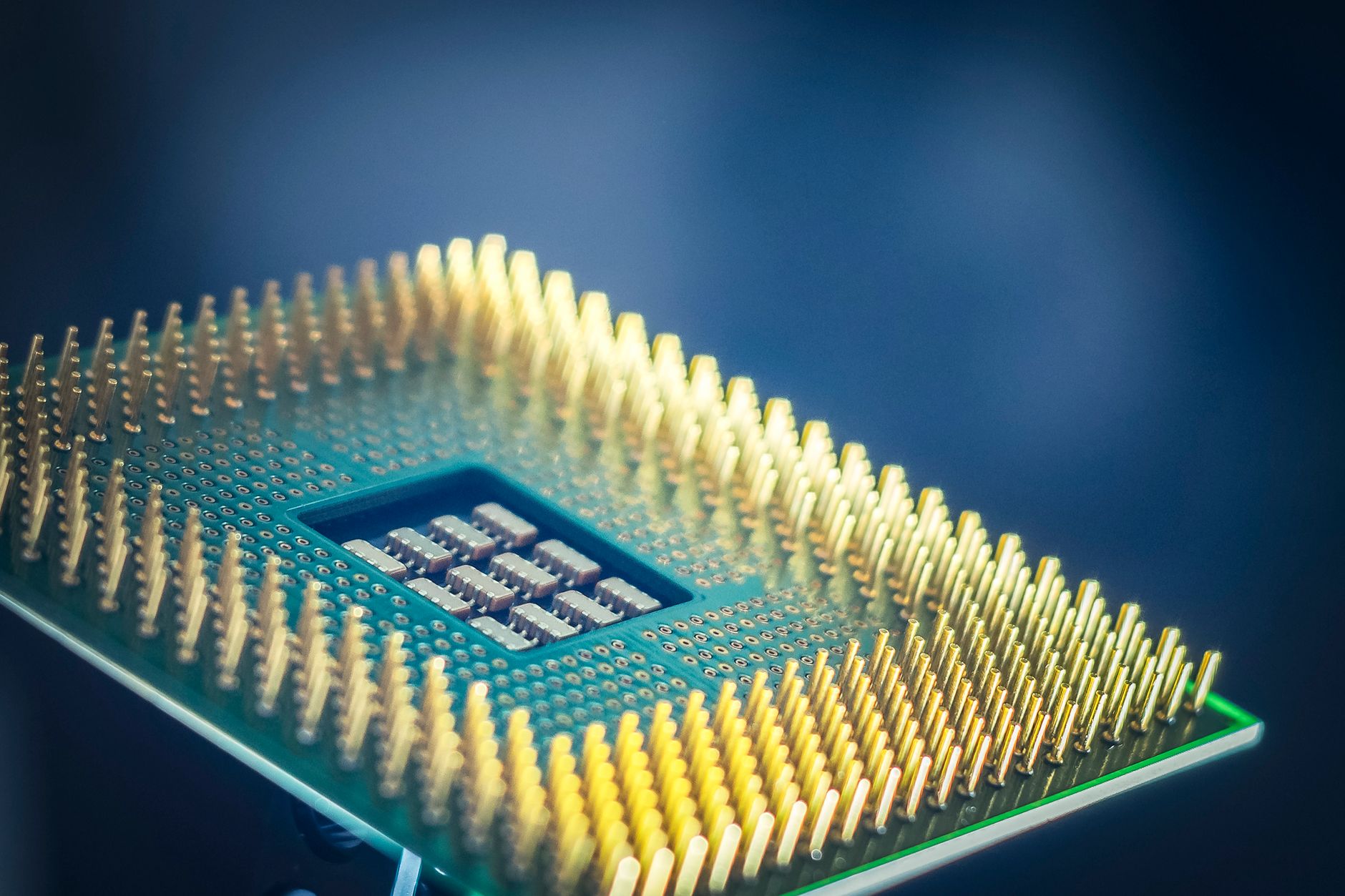
In a move poised to redefine its trajectory in the semiconductor arena, Microchip Technology Incorporated has completed its acquisition of Hailo, a company renowned for its accelerated edge AI processors. While financial terms of the deal remain undisclosed, industry insiders suggest that the acquisition could provide Microchip with a strategic foothold in the burgeoning AI sector.
Hailo, celebrated for its Hailo-8, Hailo-10, and Hailo-15 processors, has carved a niche in developing AI processors that facilitate real-time data processing at the edge. This capability is increasingly vital as industries seek to harness AI for applications ranging from autonomous vehicles to advanced surveillance systems.
Strategic Expansion
By integrating Hailo's technology, Microchip aims to enhance its portfolio of total system solutions. The acquisition brings over 100 new customers into the fold and taps into a developer community exceeding 10,000 users. Such an expansion is anticipated to fortify Microchip's position in a market that is becoming progressively competitive.
Microchip's CEO remarked, "This acquisition not only strengthens our AI offerings but also aligns with our vision of providing comprehensive system solutions. Hailo's technology will complement our existing products and help us meet the surging demand for efficient AI-driven solutions."
A Changing Landscape
The acquisition of Hailo underscores a broader trend in the industry, where established companies are increasingly turning to acquisitions to fill technological gaps and accelerate innovation. As AI continues to permeate diverse sectors, the capacity to process and analyse data swiftly and efficiently becomes paramount.
While not expected to have an immediate material impact on Microchip's financial results, the acquisition positions the company well for future growth. By securing Hailo's cutting-edge technology, Microchip is not just expanding its product line but also preparing to meet the challenges of tomorrow's AI needs.


