Microrobots Collaborate to Alter Their Environment
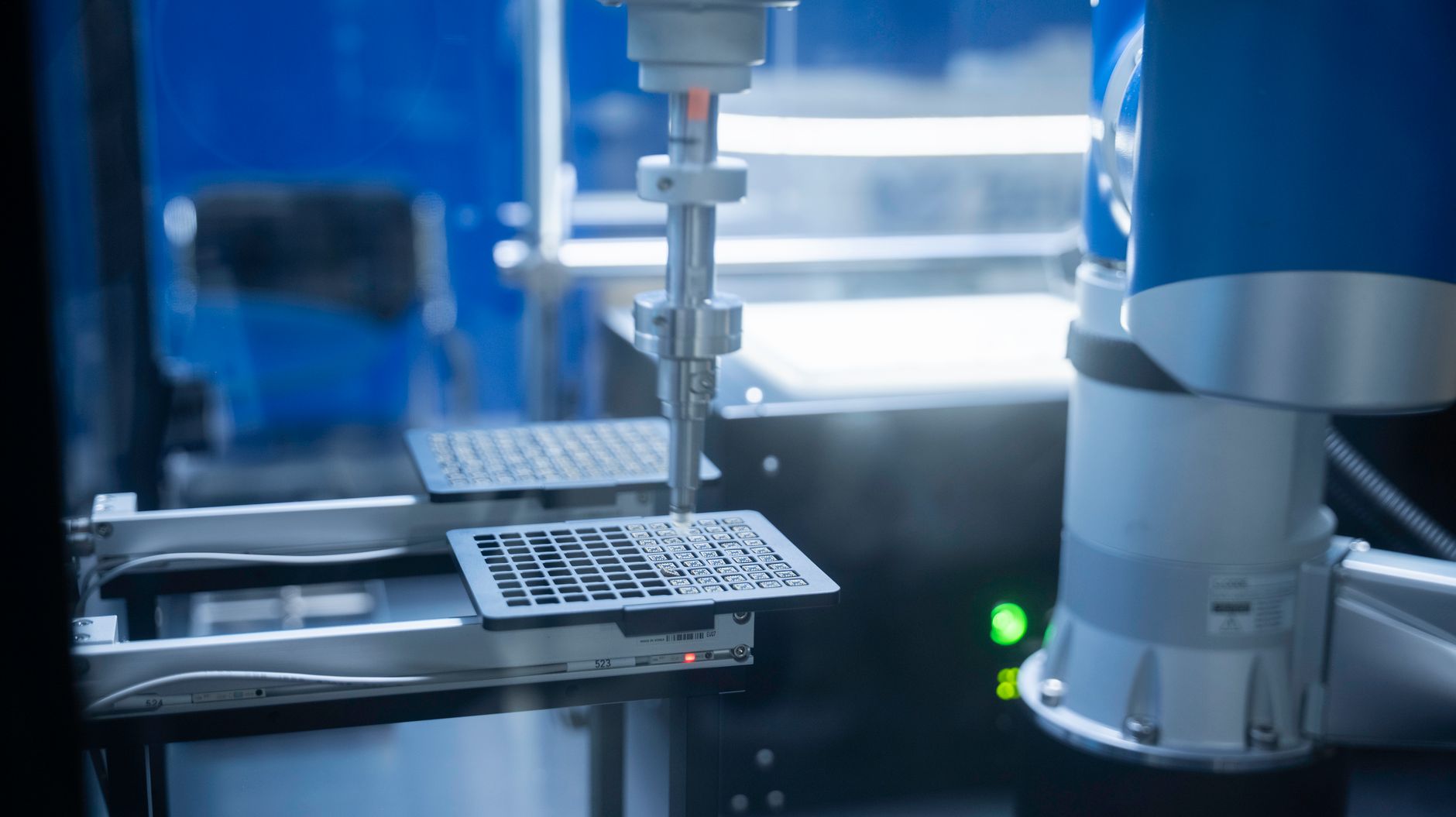
In an extraordinary leap for nanotechnology, researchers from Cornell University have unveiled microrobots that can navigate and alter their environment by sensing and responding to temperature changes. These diminutive machines, no wider than a human hair, coordinate their movements to pump liquid from warmer areas to cooler ones, mimicking a natural feedback loop.
Professor Itai Cohen, a leading figure in the project, remarked, "Little things can have a large impact." Indeed, the potential applications of this technology could be vast, ranging from targeted drug delivery in medicine to environmental monitoring and even climate control.
The microrobots operate through a sophisticated mechanism involving artificial cilia, which are hair-like structures that can manipulate fluids. By coordinating their actions, these robots can effectively regulate temperature, offering a novel method to influence their surroundings.
Implications for the Future
This innovation represents a fundamental shift in how we might interact with our environment. The ability to control microenvironments could lead to advancements in fields such as agriculture, where precise temperature regulation could enhance crop yields or protect against frost.
Moreover, the concept of microrobots working in unison opens avenues for further research into autonomous systems that can perform complex tasks without human intervention. While the technology is still in its infancy, its potential is undeniable.
As we face increasing environmental challenges, the development of such technologies provides a glimmer of hope. The ability to manipulate environments on a micro scale could play a crucial role in efforts to mitigate climate change, making this research not just a scientific curiosity but a potential tool for global impact.