Middle Powers Forge New Alliances Amidst Trump’s Diplomatic Storm
The global stage, often a theatre of dramatic shifts, is once again in the spotlight as middle powers manoeuvre to find new allies amidst the latest tempest stirred by Donald Trump. With the former president's diplomatic bombshells ringing across capitals, countries that once comfortably allied with the United States are reassessing their strategies in real-time.
Trump's recent outburst at the White House, following a tragic mid-air collision involving an American Airlines plane and a military helicopter, has only heightened global anxieties. While it might seem like a domestic incident, its reverberations are felt far beyond Washington's corridors. The incident underscores the volatility that has come to characterise U.S. foreign policy under Trump's lingering influence.
New Alliances in a Time of Uncertainty
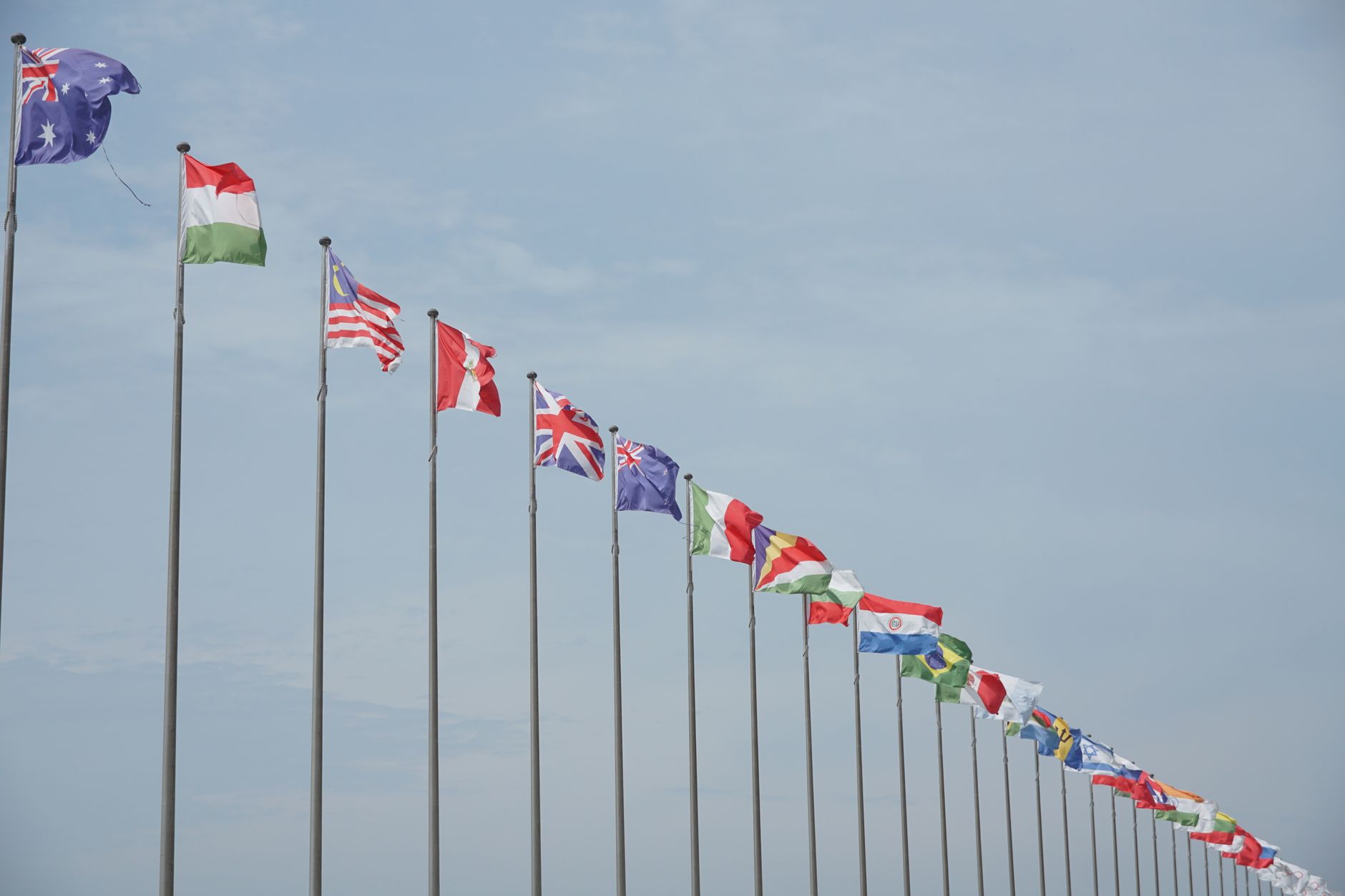
The diplomatic seesaw has prompted nations known as middle powers—countries with moderate influence and international clout—to seek alternative partnerships. These nations, caught in the crossfire of superpower rivalries, are striving to forge ties that ensure stability and security amidst the chaos of Trump's unpredictability. As Ben Meiselas of MeidasTouch reports, world leaders are increasingly looking towards each other, rather than to the traditional U.S. alliance.
This shift is more than mere diplomatic posturing. It signals a recalibration of global networks, where trust is a currency and stability, a crucial asset. The U.S.-Iran relationship, for instance, hangs by a thread, with Trump's rhetoric casting long shadows over any potential reconciliation. As old alliances waver, new coalitions are emerging, potentially reshaping the balance of power.
A Changing World Order
The quest for new alliances is not merely a reaction to Trump's volatility but also a proactive step towards a multipolar world. In this evolving landscape, middle powers are not just passive observers but active participants reshaping the rules of engagement. As they navigate these turbulent waters, the world watches keenly, aware that the alliances forged today could define the geopolitical contours of tomorrow.
In these uncertain times, the actions of middle powers could provide the stability that the world sorely needs. As they step into roles traditionally dominated by superpowers, a new world order, characterised by collaboration and shared interests, might just be on the horizon.