Mind Over Matter: Brain Implants Enter Clinical Reality
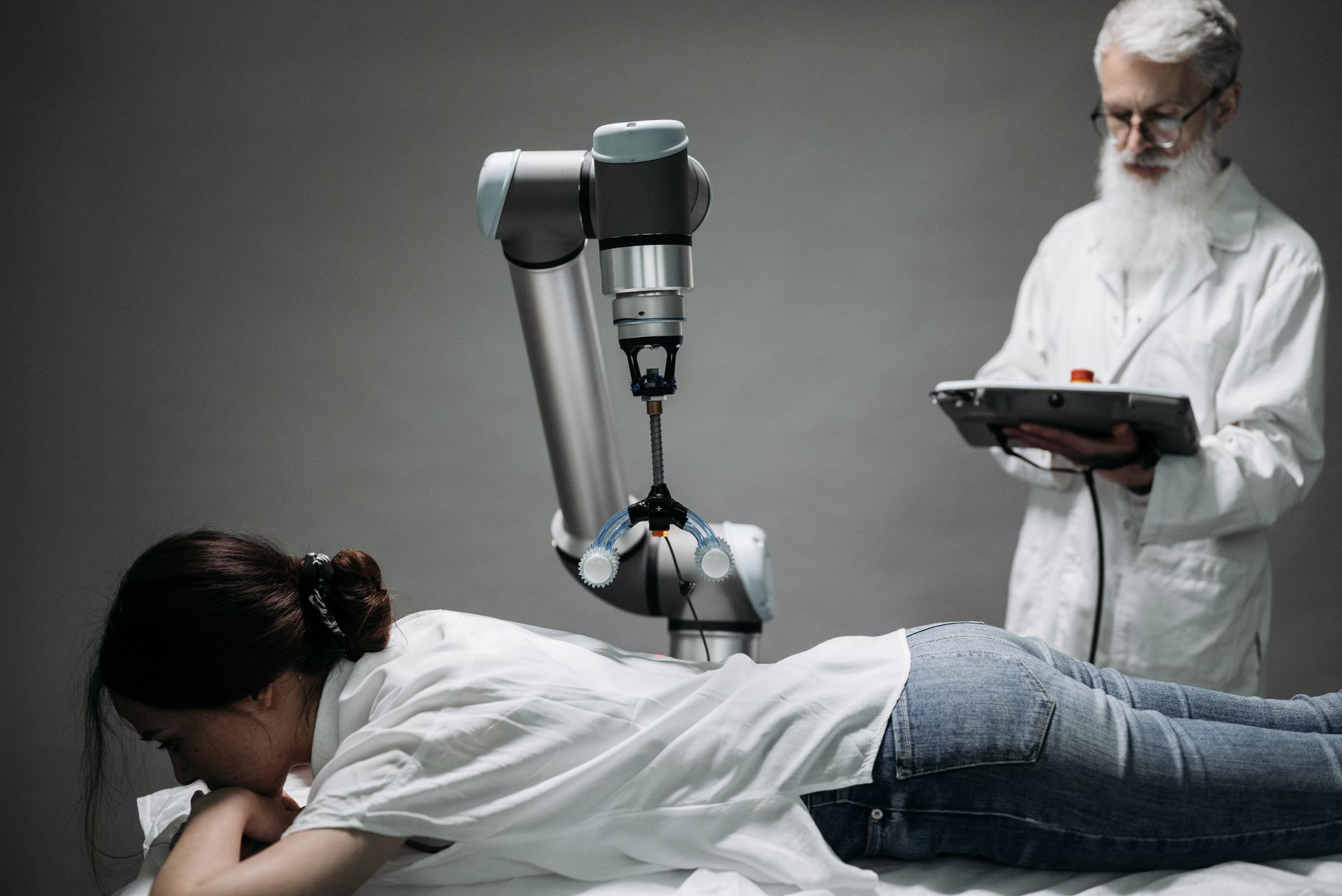
In a scene that might have once belonged to a science fiction novel, patients across the globe are now testing brain implants that allow them to perform tasks once thought impossible. These clinical trials are not just a hopeful whisper of the future; they are a resounding echo of progress in the present. Twenty-one patients in four countries have been at the forefront, with remarkable results.
The most striking achievement comes from a patient who set a world record in cursor control, manipulating a computer interface using only their thoughts. This accomplishment is not merely a technical feat; it represents a profound shift in how we understand and interact with technology. The implications for those suffering from paralysis are immense, offering a tangible glimpse of increased independence and quality of life.
Brain-computer interfaces (BCIs) have been a field of research for decades, but it is only recently that they have begun to deliver on their promise. Researchers are cautiously optimistic, noting that the number of people with electrodes in their brains has more than doubled in recent years. These devices are not limited to restoring motor functions; they offer potential breakthroughs for those with blindness, hearing loss, and more.
Overcoming Challenges
The path to this point has not been without its hurdles. Ethical considerations, technical challenges, and the sheer complexity of the human brain have all posed significant obstacles. Yet, the progress made thus far is a testament to human ingenuity and perseverance. Importantly, trials have reported zero serious adverse events, a critical factor in broadening the adoption of these implants.
As the technology matures, the focus will likely shift towards refining the interface and improving the precision of neural decoding. For now, the immediate goal remains to enhance the quality of life for those who have been robbed of their autonomy by illness or injury.
A Glimpse into the Future
While the journey from laboratory to clinic is fraught with challenges, the potential rewards are extraordinary. The ability to control a robotic arm or transcribe thoughts into text is not just a scientific curiosity; it is a lifeline for many. As these technologies continue to evolve, they hold the promise of not just restoring lost functions, but perhaps even enhancing human capabilities in ways we have yet to imagine.