Minnesota Teen Innovates Peanut Shells to Clean Produce
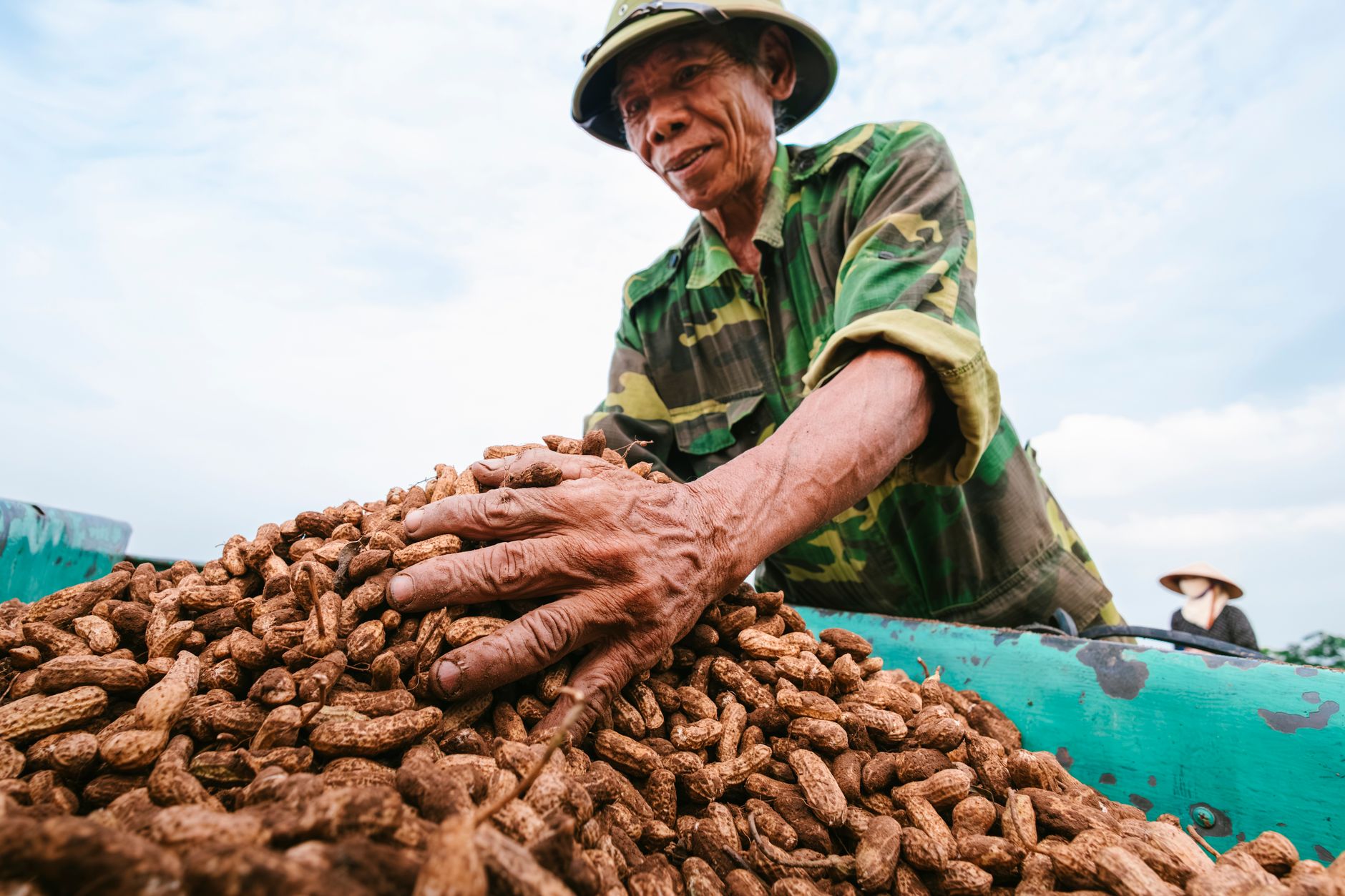
At the tender age of 13, Arika Kundu has achieved something most scientists can only dream of — turning waste into a valuable resource. Her invention, aptly named LIGNEX, employs the surprisingly resourceful peanut shell to tackle a persistent problem: pesticide residue on our fruits and vegetables.
Arika, an Indian-American student from Minnesota, has ingeniously utilised agricultural waste, specifically peanut shells, to create a method that effectively removes these harmful residues. The LIGNEX process is not just a scientific curiosity; it represents a significant step towards safer, more sustainable agriculture.
The young inventor's journey began with a simple question: How can we make our food safer without relying on expensive or complex technology? Peanut shells, usually discarded as agricultural waste, provided an unexpected answer. By harnessing the natural properties of these shells, Arika developed a method that is both cost-effective and environmentally friendly.
This innovation did not go unnoticed. Arika became a finalist in the prestigious 3M Young Scientist Challenge, where her project stood out for its simplicity and potential impact. The method she devised is accessible, requiring only basic tools, making it a viable option even in regions with limited resources.
Implications for the Future
Arika's work opens the door to a future where agricultural waste is not merely discarded but reimagined as a tool for sustainable development. With the global population steadily increasing, finding sustainable ways to produce and consume food is more critical than ever. By addressing pesticide residues, Arika's method could contribute to healthier diets worldwide.
The potential applications of LIGNEX extend beyond just cleaning produce. As researchers explore the properties of agricultural waste further, Arika's work could inspire new materials and methods for environmental conservation, making her a pioneer in the field.
This young scientist's achievement reminds us that innovation often lies in the most unexpected places — sometimes, even in a humble peanut shell.