Minnesota Teen Innovates: Turning Waste into Pesticide Solution
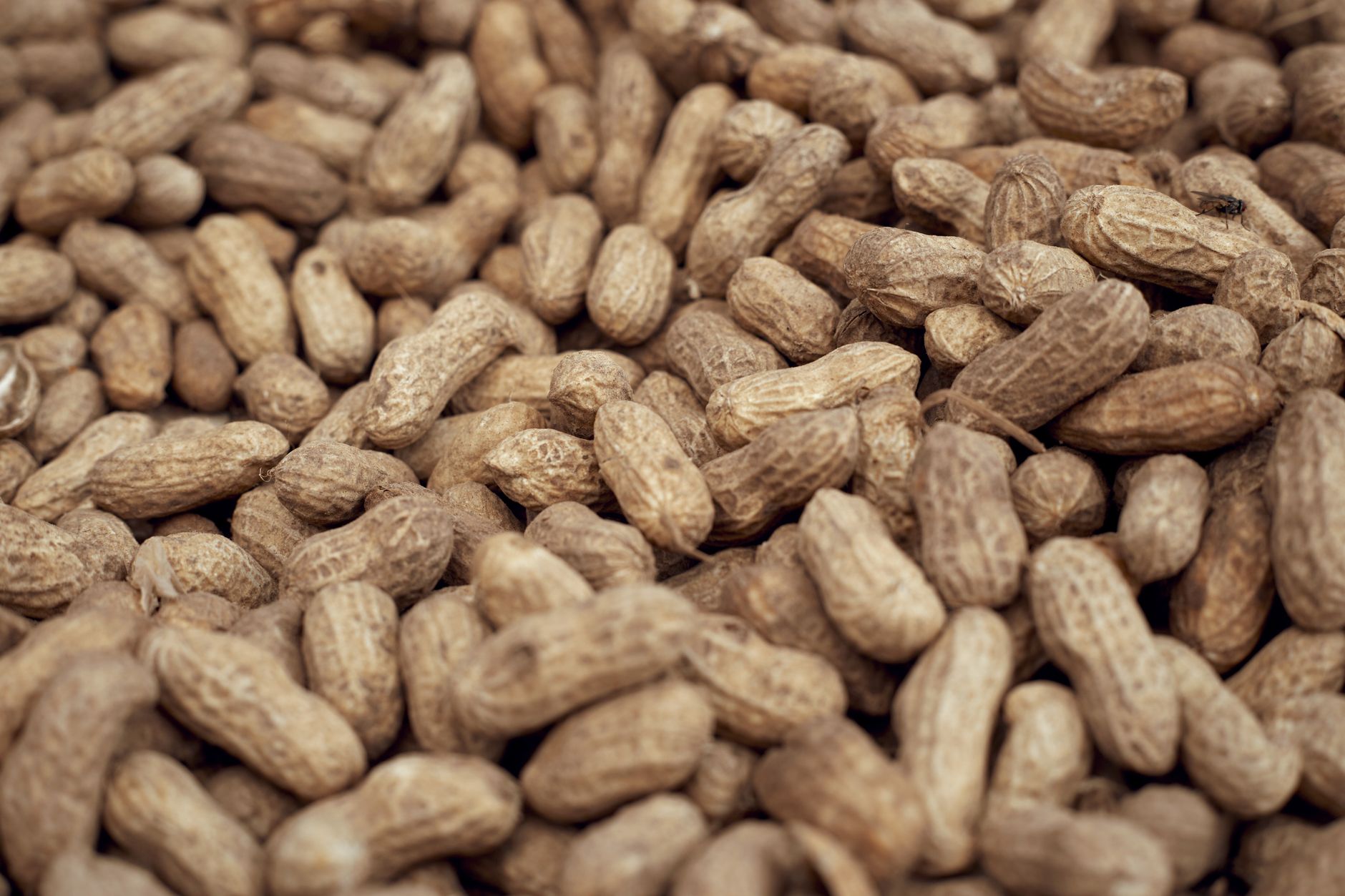
In an era where environmental sustainability often feels like a pipe dream, Arika Kundu, a 13-year-old student from Minnesota, has taken a significant step towards turning that dream into reality. Armed with curiosity and a knack for science, Arika has developed an ingenious method to repurpose peanut shells, a common agricultural waste, into a material that can reduce pesticide residues on fruits and vegetables.
Her project, aptly named LIGNEX, uses these otherwise discarded shells to create a natural biosorbent material. This innovation not only highlights the potential of young minds but also underscores the importance of sustainable practices in our daily lives. By utilising what is typically considered waste, Arika's method presents a new frontier in the battle against pesticide contamination in produce.
A Fresh Approach to a Persistent Problem
Pesticide residues on fresh produce have long been a cause for concern among consumers and health advocates. While washing fruits and vegetables can remove some residues, it is not always sufficient. Arika's LIGNEX offers an additional layer of protection, potentially making produce safer for consumption. It stands as a testament to how simple, yet effective solutions can emerge when young innovators are encouraged to explore and experiment.
The Science Behind LIGNEX
The process involves converting peanut shells into a biosorbent material through a series of simple, yet effective steps. This material binds with pesticide residues, effectively reducing their presence on fruits and vegetables. The brilliance of this method lies in its simplicity and accessibility, making it a viable option even in regions with limited resources.
Arika's contribution is not just a scientific breakthrough; it is a beacon of hope for sustainable agriculture. Her achievement in the 3M Young Scientist Challenge serves as a reminder that sometimes, the solutions to our most pressing problems can be found in the hands of the younger generation.