Moonstruck: The Impact of SpaceX's Falcon 9 on Lunar Science
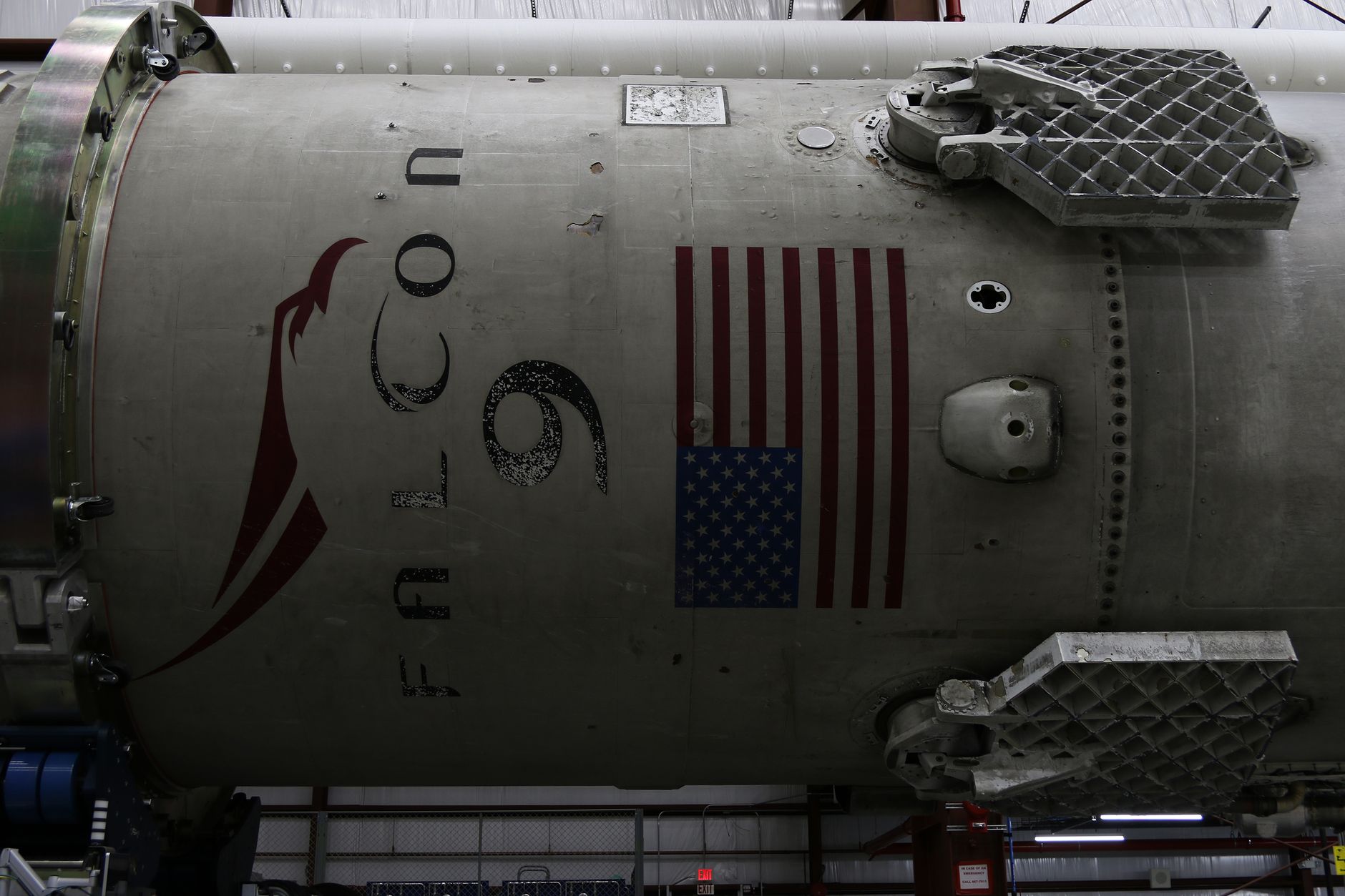
In a spectacle that has captivated astronomers and space enthusiasts alike, a section of SpaceX's Falcon 9 rocket is poised to collide with the Moon at a staggering 5,000 mph. This unplanned lunar rendezvous, while the result of space debris drifting off course, offers a unique opportunity for scientific inquiry.
The Falcon 9, a stalwart of SpaceX's reusable rocket fleet, was launched from Florida in January last year. It was tasked with deploying two lunar landers. However, not all parts of this technological marvel are designed to return to Earth. A segment of the rocket has been lost in space, now on a collision course with our closest celestial neighbour.
Scientific Inquiry
Scientists are eagerly awaiting the impact, which promises to shed light on the Moon's sub-surface characteristics. When the rocket stage strikes the lunar surface, it is expected to create a new crater, offering insights into crater formation processes and the composition of the Moon's crust. This is not merely a chance to observe a collision but an opportunity to enrich our understanding of how celestial bodies interact.
The event has also sparked discussions on the increasing amount of space debris orbiting Earth and beyond. While the immediate focus is on the scientific data, the incident underlines the growing challenges of managing space traffic and debris.
Implications for Future Missions
Beyond the immediate scientific benefits, the collision could influence future lunar missions. Understanding the impact's effects might aid in planning the placement of instruments on the Moon, ensuring they are positioned to avoid potential hazards. Additionally, the event highlights the need for improved tracking and management of derelict spacecraft to mitigate unintended consequences.
In a world where space exploration is rapidly advancing, each event like this serves as a reminder of both the potential and the perils that come with venturing beyond our planet. As scientists prepare to analyse the aftermath of this cosmic collision, the broader implications of space exploration remain ever salient.