Morocco Appoints First Female Prime Minister in Historic Move
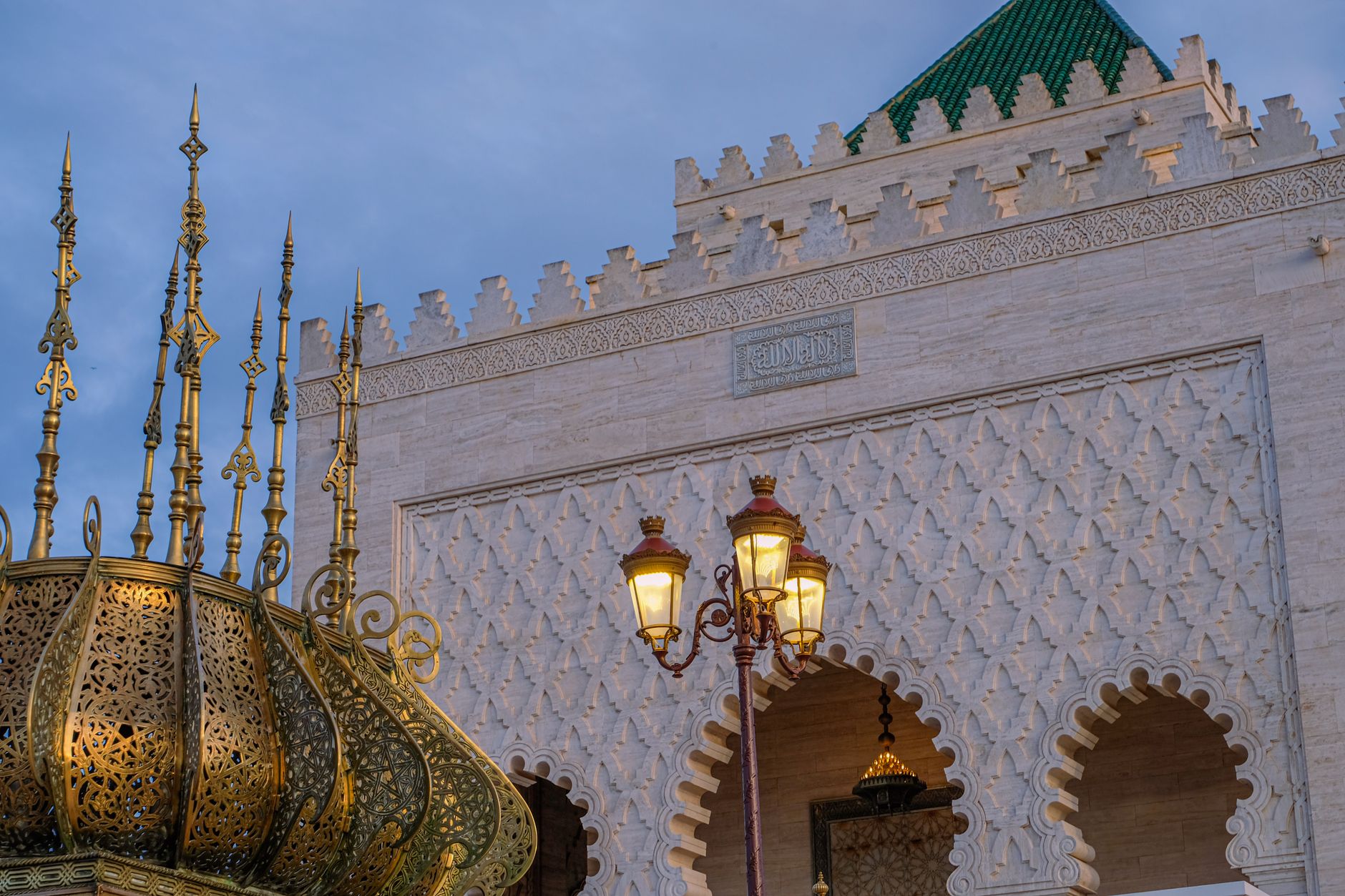
In what can only be described as a momentous occasion, Morocco has set a new precedent in its political landscape by appointing Fatima Zahra Mansouri as the nation's first female Prime Minister. This bold move by King Mohammed VI signals not just a shift in gender dynamics within the country but also sets a remarkable example for the Arab world, where female leadership at such a level remains a rarity.
Mansouri, who previously served as the mayor of Marrakesh, comes to the role with a wealth of experience in governance. Her party, the centrist Authenticity and Modernity Party, clinched a decisive victory in the recent parliamentary elections, paving the way for her historic appointment. Her leadership is anticipated to bring a fresh perspective to Morocco's political discourse, one that balances modernity with the country's rich traditions.
While the appointment is historic, it is not without its challenges. Morocco, like many countries, faces pressing issues such as economic reform, youth unemployment, and social inequalities. The task ahead for Mansouri is formidable, but her supporters argue that her pragmatic approach and previous administrative successes make her well-suited to tackle these issues head-on.
Implications for the Arab World
Mansouri's appointment is not just a victory for Moroccan women but could potentially inspire similar strides across the Arab world. The region has seen women rise to high office, but rarely at the helm of government. Her ascendancy could encourage more women to pursue political careers, gradually transforming the region's political fabric.
As Morocco steps into this new chapter, the world watches with bated breath, eager to see how this historic appointment will shape the future of its politics and influence gender roles across the Arab landscape. For Mansouri, the path is undoubtedly challenging, but her determination and vision hold the promise of a transformative era for Morocco.