Mount Olympus Ascends to UNESCO World Heritage Status
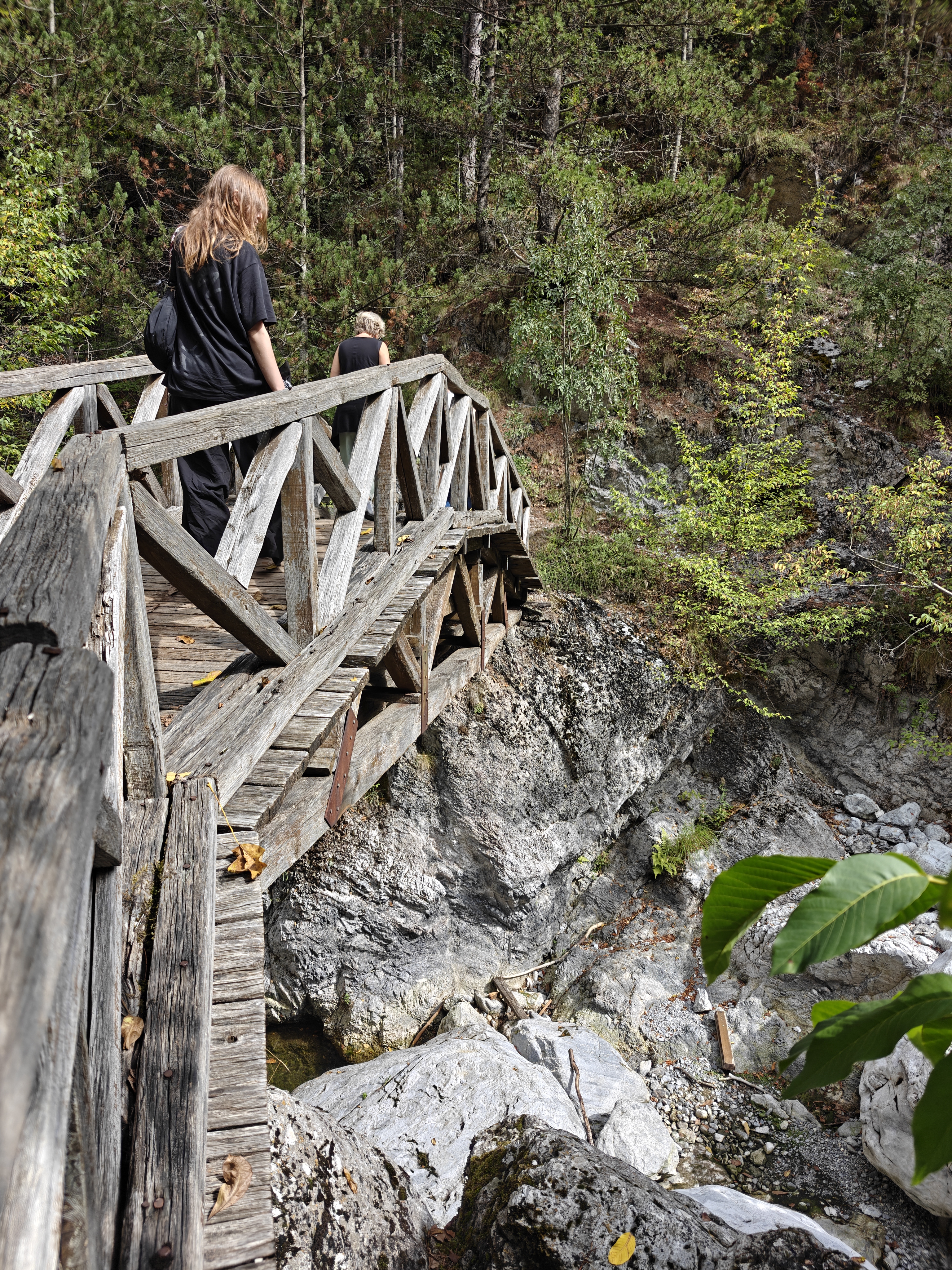
In a triumph for both myth and nature, Mount Olympus has been inscribed on UNESCO’s prestigious World Heritage List. The news was greeted with jubilation across Greece, as the legendary home of the Greek gods received international recognition after a persistent 12-year campaign by the nation’s cultural custodians.
Rising majestically to 9,573 feet, Mount Olympus is not just the highest peak in Greece but also a symbol of its rich cultural legacy. The mountain is steeped in mythology, famously known as the throne of Zeus, king of the gods in ancient Greek lore. Its inclusion as a 'mixed' heritage site acknowledges both its natural grandeur and its cultural resonance.
A Long-Desired Recognition
The path to UNESCO's recognition was not without its challenges. Greek officials have long championed the mountain's cause, emphasising its dual significance. This accolade, they argue, underscores Greece’s unwavering commitment to preserving its heritage, aligning with the principles of the World Heritage Convention.
“This is a monumental achievement not just for Greece but for the global community,” remarked one official. “It reflects our dedication to sustaining the cultural and natural treasures that define our identity.”
Preserving the Legacy
The addition of Mount Olympus to the World Heritage List is expected to boost tourism, but it also places a responsibility on Greece to ensure sustainable management of the site. The challenge now is to balance increased visitor interest with the need to protect the mountain’s delicate ecosystems and historical sites.
This achievement comes alongside the inclusion of Normandy’s D-Day beaches, marking a significant moment for UNESCO as it reinforces its mission to honour sites of outstanding universal value. For Greece, Mount Olympus's new status is a testament to its enduring cultural significance and natural beauty, drawing visitors and scholars eager to explore its storied past and majestic landscapes.