Mumbai Hosts National Dialogue on Primary Education's Future
In the bustling city of Mumbai, a diverse group of over a hundred educators gathered on Saturday to deliberate on the future of primary education in India. This assembly, vibrant with ideas and enthusiasm, wasn't just about exchanging pleasantries; it was a substantial effort to address the evolving challenges faced by the education sector.
The event, held at a prominent educational centre, brought together teachers and educationists from various states, each with unique experiences and innovative ideas. They aimed to share their creative experiments and successful practices in primary education, a crucial stage that lays the foundation for lifelong learning.
Primary education in India, while free in government schools, is often overshadowed by the more prevalent private secondary education. Yet, the significance of these early years cannot be overstated. As one educator aptly put it, 'If we get the primary years right, half the battle is won.'
The Role of Technology
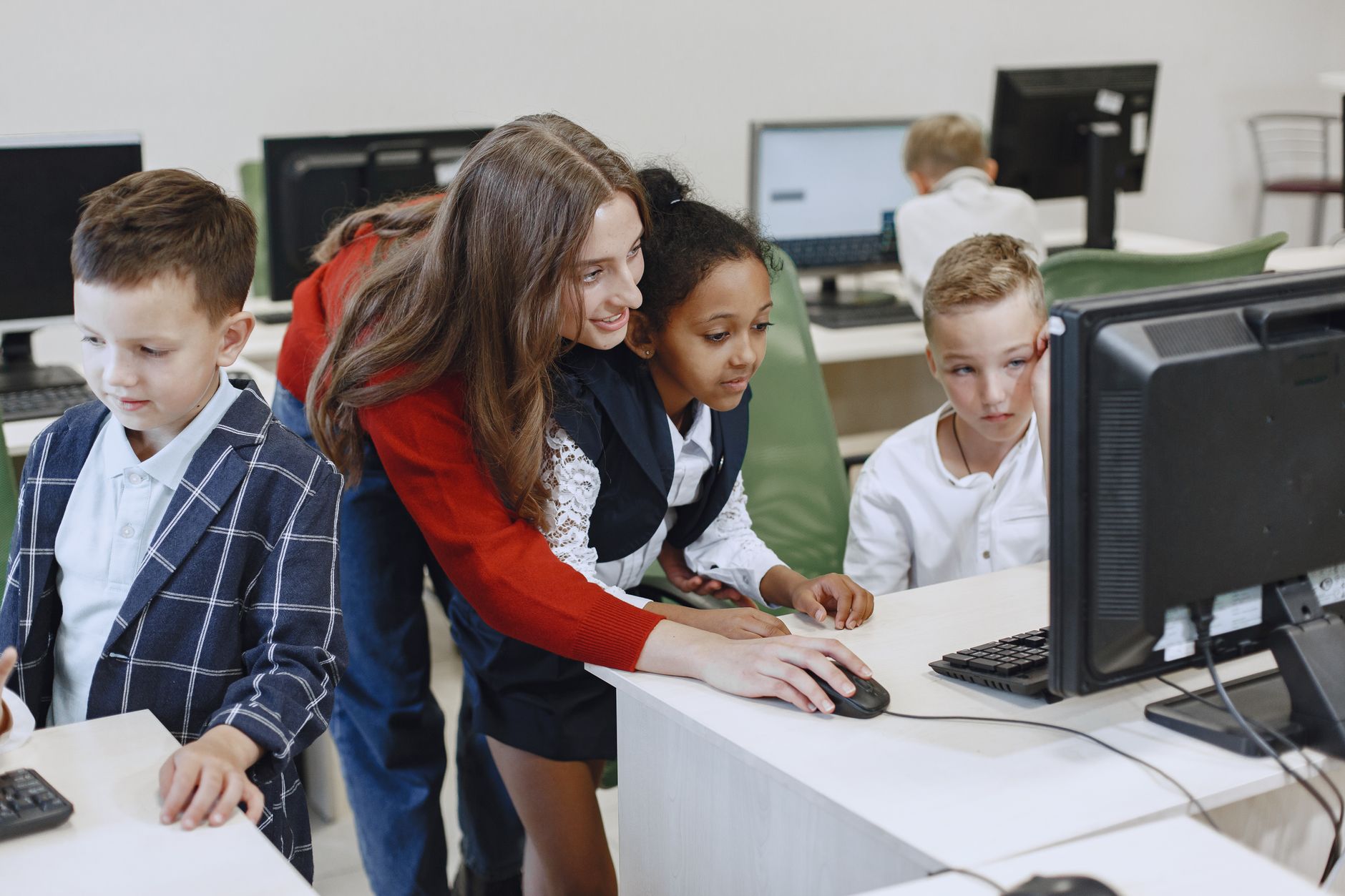
Amidst the discussions, the integration of technology in classrooms emerged as a central theme. Educators debated the potential of digital tools to enhance learning experiences while cautioning against over-reliance on technology. 'It's about finding the right balance,' noted one participant. 'Technology should support, not replace, traditional teaching methods.'
This sentiment resonates with the broader educational challenges in the 21st century. With increasing access to digital resources, there is a pressing need to ensure that such tools are effectively utilised to benefit all students, regardless of their socio-economic backgrounds.
Adapting to Diverse Needs
Another significant topic was the need to adapt teaching methods to cater to the diverse needs of students. In a country as varied as India, where cultural and linguistic diversity is the norm, a one-size-fits-all approach is untenable. Educators shared strategies for inclusivity, emphasising the importance of understanding local contexts and students' backgrounds.
As the day concluded, the consensus was clear: collaboration and continuous dialogue are key to advancing primary education in India. The Mumbai gathering was not merely a meeting of minds but a hopeful step towards shaping a more inclusive and effective educational future.