Mumbai's Outsourced Women Health Workers Win Extended Maternity Leave
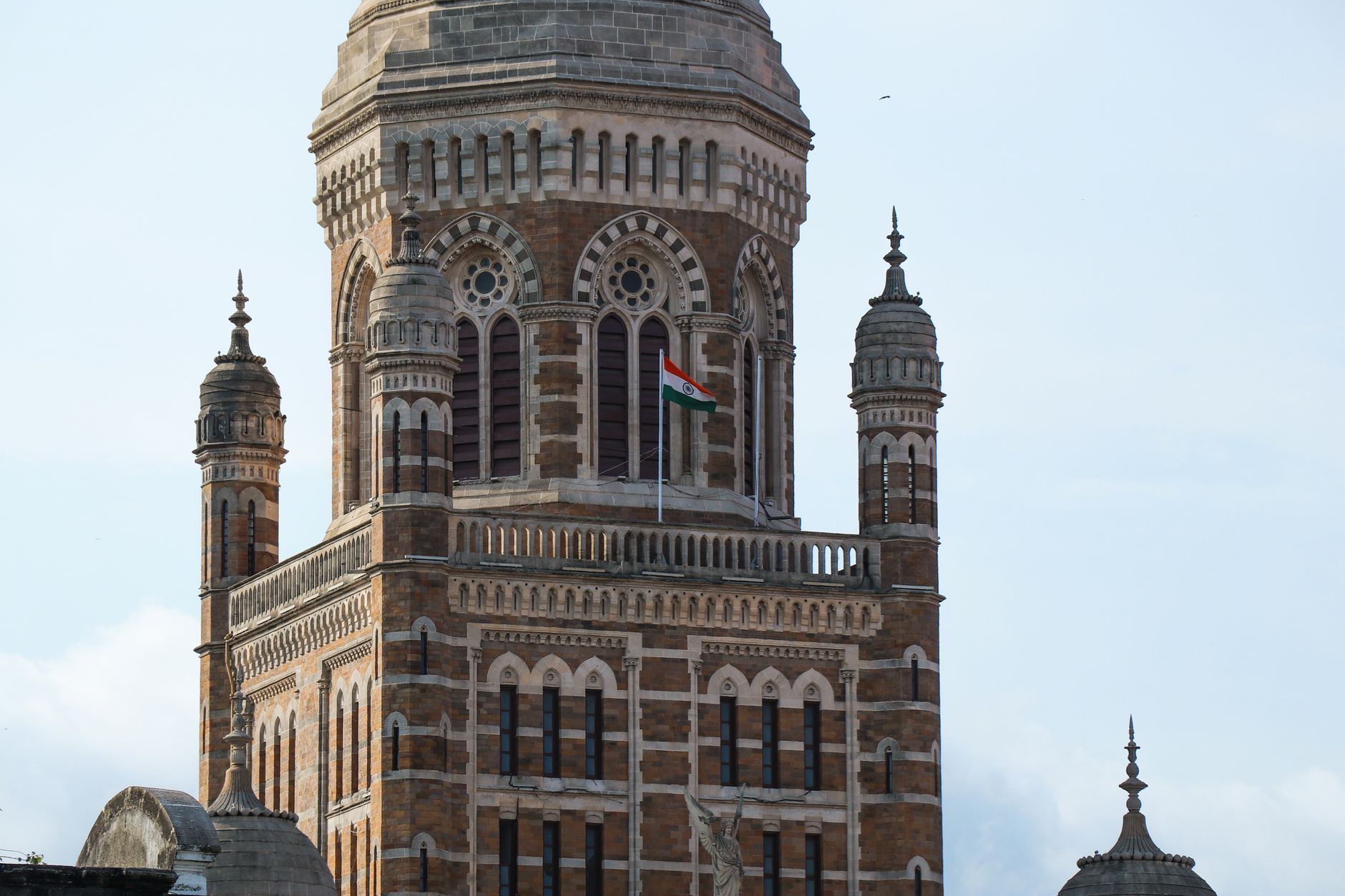
In a move that signals a significant policy shift, the Brihanmumbai Municipal Corporation (BMC) has approved 180 days of paid maternity leave for outsourced women health workers. The decision, made amidst ongoing protests in Nagpada, Mumbai, represents a triumph for the workers who have long campaigned for improved employment conditions.
While the streets of Mumbai remain tense with protests against the Citizenship Amendment Act (CAA) and the National Register of Citizens (NRC), this development offers a glimmer of progress within the municipal workforce. More than 300 women have been at the forefront of the protests, demanding not only political change but also enhanced labour rights.
The extended maternity leave policy is a notable deviation from the previous standard of merely 60 days, setting a precedent that aligns with global best practices in maternal health. It's a bold statement by the BMC, acknowledging the essential role that these women play in the city’s public health system.
A Step Towards Equality
Across the globe, maternity leave policies vary significantly. For instance, the United Kingdom offers up to 52 weeks, though not all of it is paid. By implementing this new policy, the BMC has not only improved parity with international standards but also set a benchmark for other Indian cities to follow.
The economic implications are also noteworthy. Studies have shown that extended maternity leave can lead to better job security, reduced turnover, and improved morale among workers. These outcomes are crucial for a city as densely populated and economically significant as Mumbai.
The Road Ahead
Despite this positive step, challenges remain. The protests in Nagpada underscore broader discontent with governmental policies, both at the state and national level. The maternity leave decision, while commendable, is just one part of a larger dialogue on workers’ rights and gender equality.
As Mumbai continues to balance its rich cultural tapestry with modern demands, policies like these offer hope for a more equitable future. The city, often seen as the heartbeat of India's economic engine, now has the opportunity to lead by example.