Narwhal Waves: A New Frontier in Light Manipulation
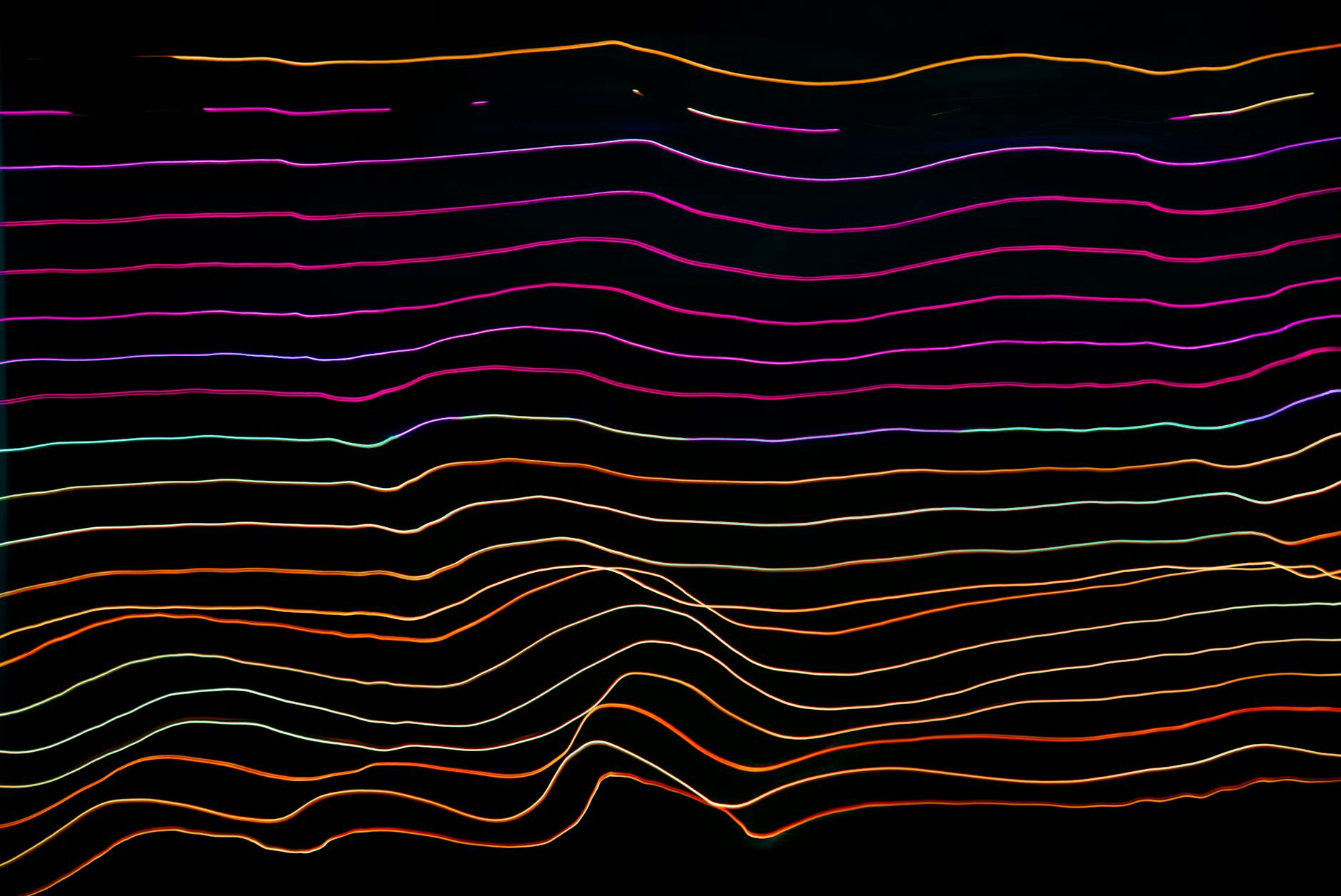
The world of optics has been turned on its head with the discovery of the so-called "narwhal" waves by physicists at Peking University. Named for their distinctive shape, these waves defy conventional limits by trapping light more effectively than ever before. The implications are vast, offering a glimpse into the future of nanophotonics.
Traditionally, the manipulation of light has been hindered by the limitations of metal-based devices, which often dissipate energy. However, the researchers' findings have unveiled a new method of confining light using lossless dielectrics. This breakthrough could lead to the development of more efficient photonic chips and optical imaging systems.
Beyond Metallic Boundaries
Until now, the use of metals in light confinement has been a double-edged sword. While effective to a degree, they invariably lead to energy dissipation. The discovery of narwhal waves offers a tantalising alternative, allowing for extreme confinement without such losses. This is achieved through the manipulation of singular dispersion equations, resulting in wavefunctions that resemble the tusks of the narwhal — hence the name.
This advancement is not merely academic. It could pave the way for a new field dubbed 'singulonics', where light can be controlled at scales previously thought impossible. Such technology holds promise for miniaturising devices further, surpassing the bulky limits imposed by current photonic systems.
Implications for the Future
The potential applications of this discovery are manifold. From enhancing the resolution of optical imaging systems to producing more compact photonic chips, the possibilities are exhilarating. As the technology matures, it could influence fields ranging from telecommunications to medical imaging.
While the journey from laboratory to real-world application is often fraught with challenges, the advent of narwhal waves signals a significant leap forward. As researchers continue to explore this phenomenon, the prospect of a new era in light manipulation beckons, one where the constraints of the past are left behind.