NASA Gains New Insights from August's Total Solar Eclipse
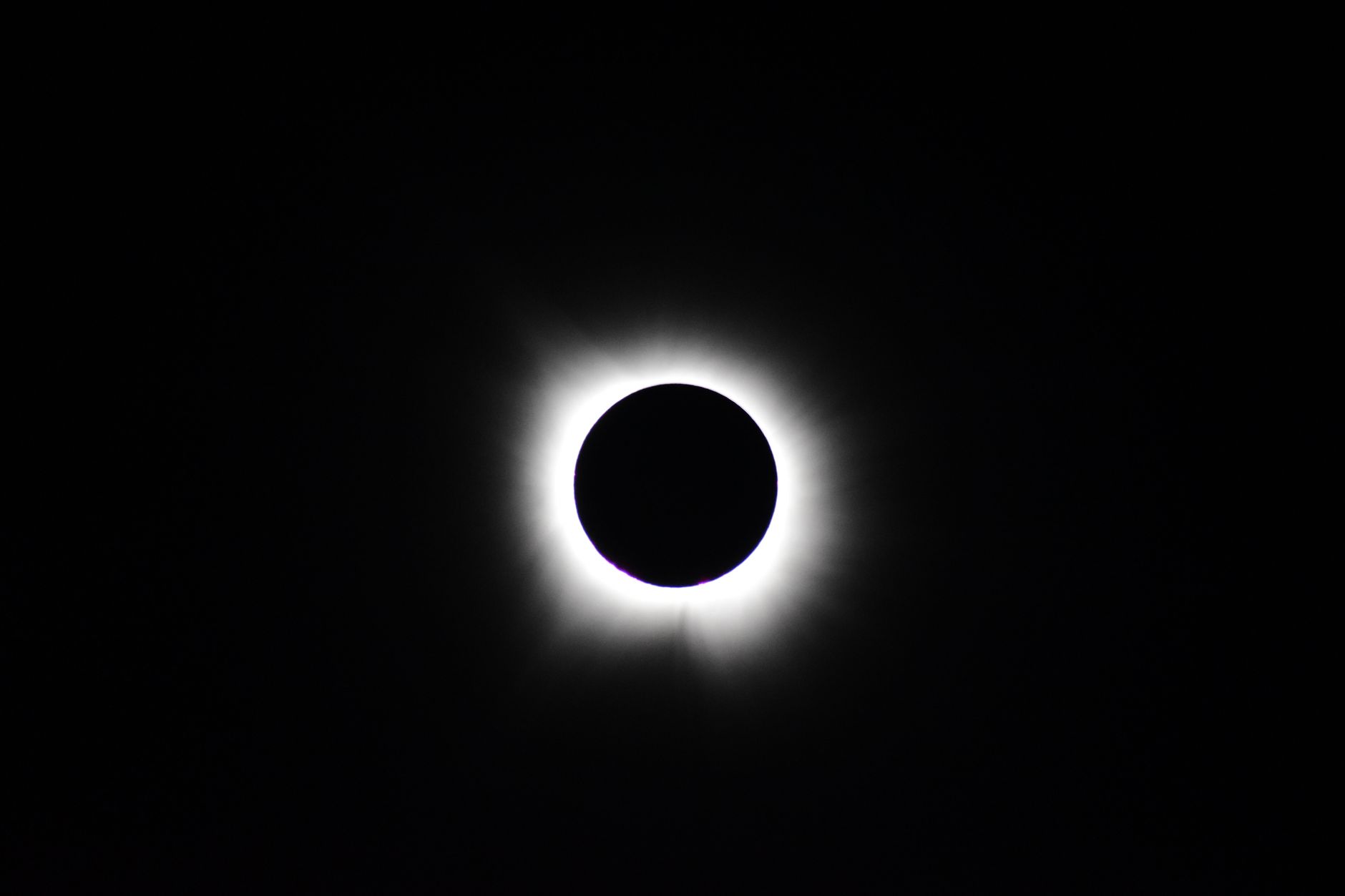
The sky was painted in shades of twilight as the Moon gracefully slipped in front of the Sun, casting a shadow over the Earth that stretched from the Arctic Ocean to the coasts of northern Spain. Onlookers, equipped with special glasses, gazed upwards, marvelling at the celestial dance that briefly unveiled the Sun's corona, a sight both ethereal and scientifically significant.
For NASA, the total solar eclipse in August was not merely a spectacle but a golden opportunity to delve into the mysteries of the Sun's outer atmosphere. The corona, usually obscured by the Sun's intense glare, became visible, allowing scientists to gather data crucial for understanding solar winds and their effects on our planet's climate.
Scientific Revelations
NASA's scientists took advantage of this alignment to deploy a series of instruments designed to capture every nuance of the eclipse. By analysing the light and particles emanating from the corona, researchers aimed to gain insights into the Sun’s magnetic field and its influence on space weather.
The data collected is expected to enhance our understanding of solar flares and their potential to disrupt satellite communications and power grids. Moreover, it could provide clues about the Sun's role in climate change, an area of increasing concern as global temperatures rise.
Global Impact
The eclipse was not only a boon for scientists but also a reminder of the interconnectedness of celestial and terrestrial phenomena. As the eclipse path crossed over diverse regions, it united people in a shared experience of awe and curiosity.
Looking forward, the findings from this eclipse could inform future space missions and offer a deeper comprehension of the Sun-Earth relationship, ultimately contributing to our ability to predict and mitigate space weather impacts. With another eclipse set to grace the skies in April 2024, the anticipation for further discoveries is palpable.