NASA's $500,000 Quest to Unveil Earth's Elusive Upper Atmosphere
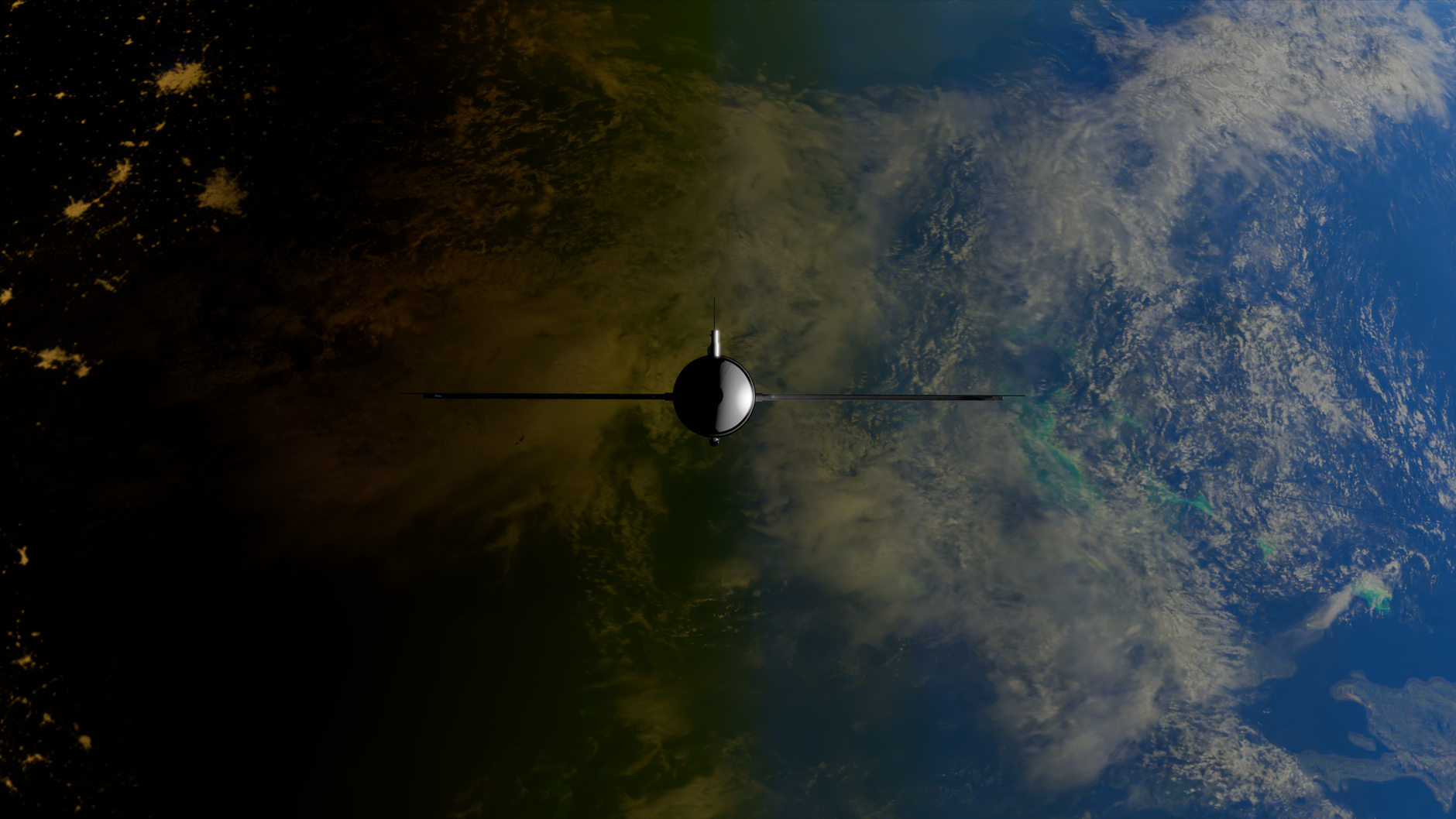
In a bold move to enhance our understanding of Earth's upper atmosphere, NASA has launched the Orbital Clarity Challenge, offering a substantial reward of up to $500,000. This initiative seeks groundbreaking technologies capable of measuring this elusive region, which is crucial for accurate satellite orbit predictions.
The upper atmosphere, often overlooked, plays a pivotal role in the functioning of satellites. Its density and composition can dramatically affect satellite trajectories, making precise measurements indispensable. However, this part of the atmosphere is notoriously difficult to study, with its thinness posing significant challenges to researchers.
The Orbital Clarity Challenge
NASA's challenge is not merely about monetary reward; it represents a call to action for researchers and innovators worldwide to tackle one of space science's most persistent puzzles. The aim is to develop devices that can provide real-time data on atmospheric conditions, potentially transforming our understanding of space weather impacts.
Past efforts to study this region have often relied on indirect methods, with varying degrees of success. The Orbital Clarity Challenge hopes to inspire more direct and innovative approaches, harnessing the latest technological advancements.
Why It Matters
The implications of this challenge extend beyond mere academic curiosity. With hundreds of satellites orbiting Earth, any advancement in this field could safeguard billions of pounds in technology and infrastructure. Enhanced predictive capabilities can lead to better satellite design and deployment strategies, ultimately ensuring the longevity and reliability of these essential tools.
Moreover, understanding the upper atmosphere's dynamics plays into broader scientific inquiries, including how it interacts with solar winds and its impact on the Earth's climate system.
NASA's initiative is a testament to the agency's commitment to pioneering exploration and innovation. By unlocking the secrets of the upper atmosphere, we not only protect our technological investments but also pave the way for future discoveries in space science.