NASA's Celestial Ballet: August Eclipse Illuminates Science
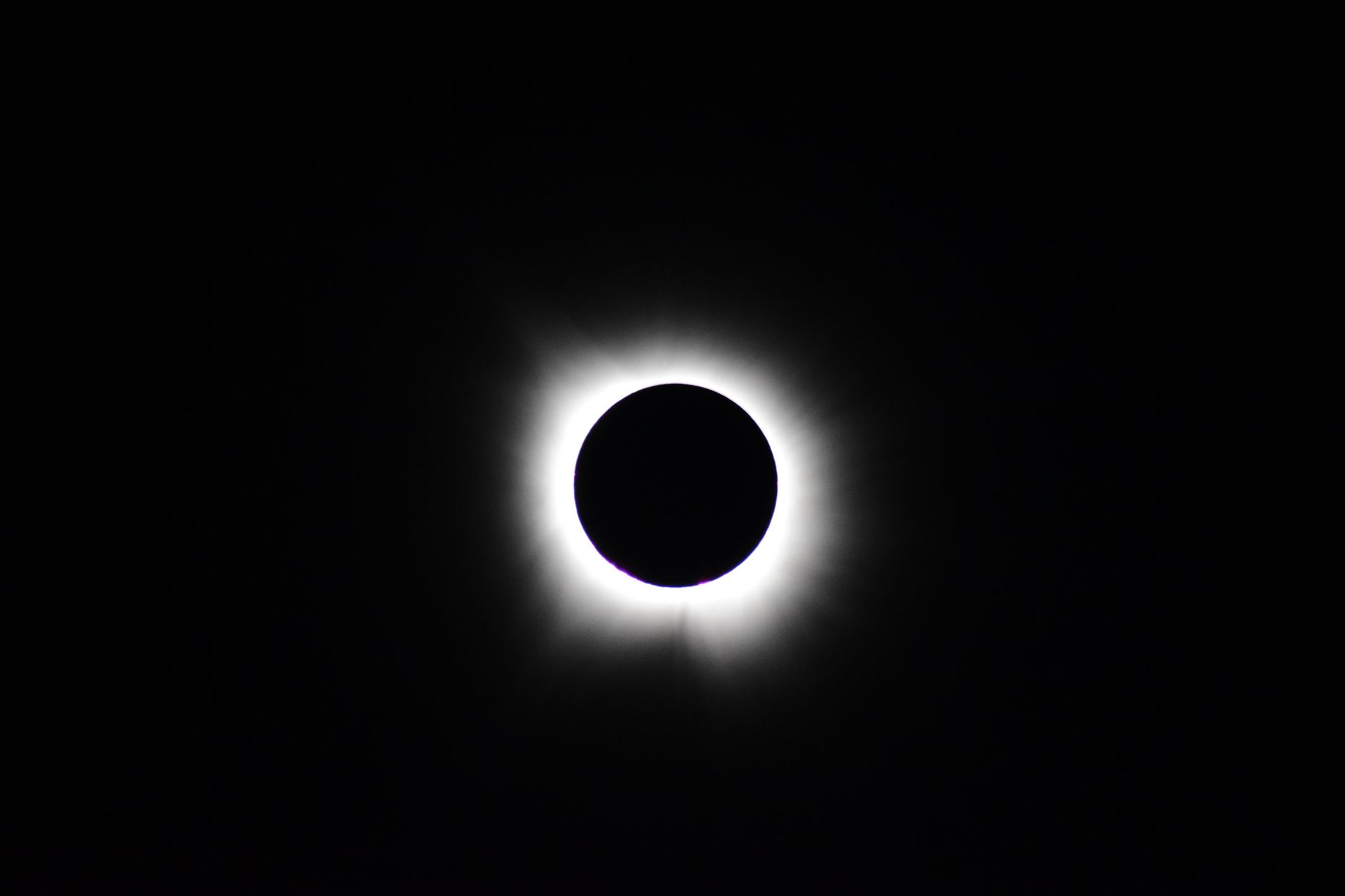
In a celestial spectacle that mesmerised millions across the Northern Hemisphere, the August total solar eclipse offered not just a stunning vista, but a chance for scientific discovery. As the Moon gracefully slid between the Earth and the Sun, casting a shadow that stretched across the Arctic Ocean, Greenland, Iceland, and into parts of Europe, NASA's eyes were firmly on the skies.
While for many, the eclipse was a moment of awe and wonder, for NASA scientists, it was a golden opportunity. The fleeting minutes when the Sun's corona is visible are invaluable for solar research. This outer atmosphere of the Sun, usually obscured by its blinding light, holds keys to understanding solar winds and magnetic fields—phenomena that have direct implications for satellite communication and power grids on Earth.
A Global Effort in Science
The path of totality, which included remote areas of the Arctic and parts of Europe, posed logistical challenges, yet also provided unique research conditions. In Spain, the Exploratorium set up advanced telescopes to capture the event live, allowing scientists and enthusiasts worldwide to observe the eclipse in real time. NASA collaborated with international agencies, ensuring that no detail went unrecorded.
Equipped with a suite of instruments both on the ground and in space, NASA aimed to measure the temperature and dynamics of the corona. These observations contribute to models predicting solar activity, which can disrupt everything from GPS systems to the electric grid.
Why It Matters
The significance of such research extends beyond academic curiosity. Understanding solar phenomena is crucial for preparing and mitigating the impact of solar flares and geomagnetic storms. As society becomes increasingly reliant on technology, the stakes of solar research are higher than ever.
As the eclipse faded and daylight returned, the data collected promised to shed light on the Sun's mysteries, advancing our understanding of the universe. With each eclipse, NASA and its partners draw a little closer to untangling the intricate dance of celestial bodies, a dance that, while ancient, remains as vital as ever to our modern world.