NASA's Celestial Ballet: Insights from the August Solar Eclipse
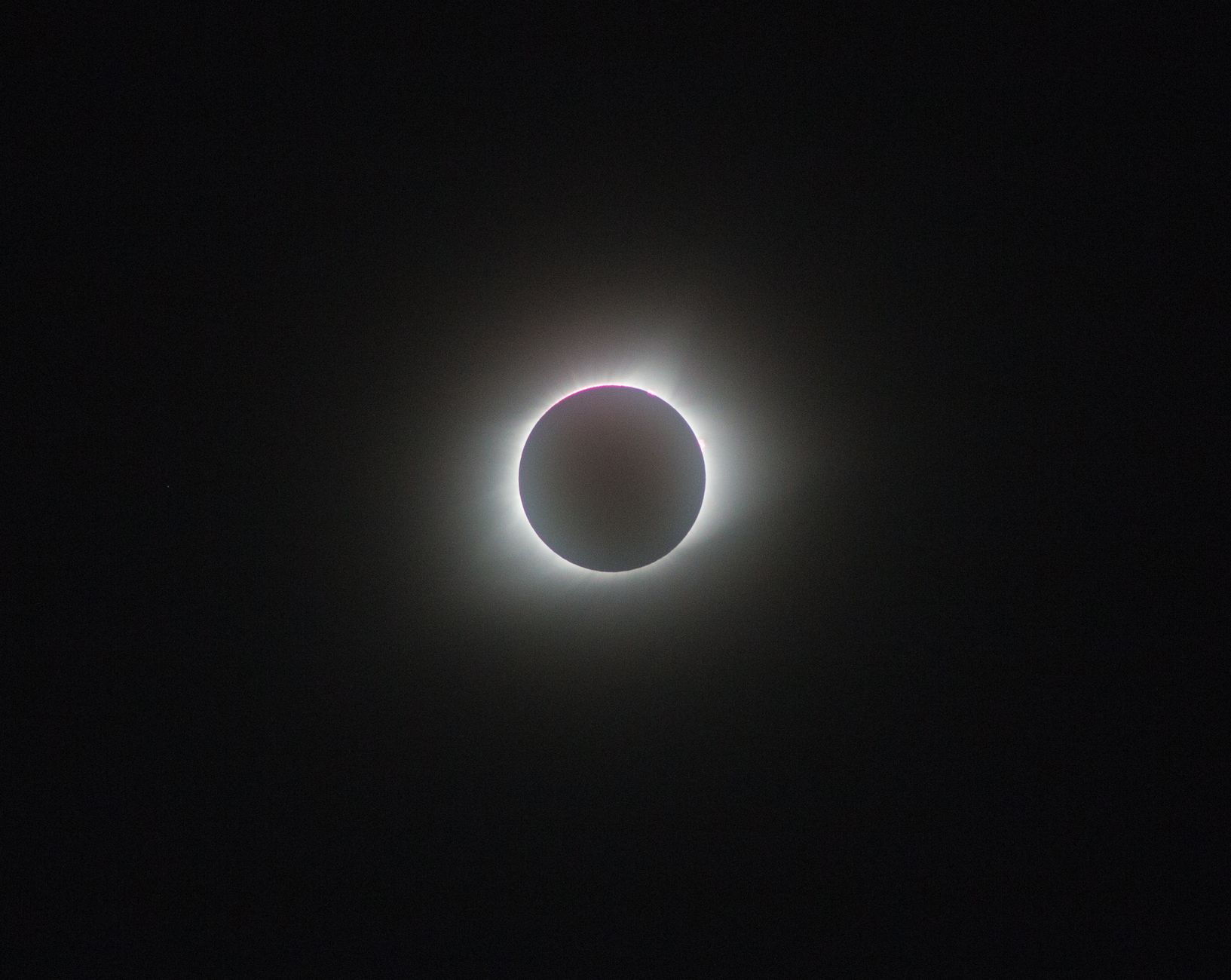
In the shadowy embrace of an August afternoon, the Sun vanished, albeit temporarily, as the Moon gracefully slid into place. For those fortunate enough to witness the total solar eclipse, it was a celestial spectacle of the highest order. Yet, for NASA, it was more than a mere visual delight; it was a golden opportunity to peel back the layers of our Sun's mysteries.
The eclipse traced a path across the Arctic Ocean, Greenland, Iceland, and parts of Europe, casting a fleeting twilight over these regions. As the Sun's brilliant corona shimmered into view, NASA's scientists were ready, their instruments trained on the sky.
A Window into the Solar Corona
The corona, the Sun’s outer atmosphere, is usually hidden by the blinding glare of its surface. During an eclipse, however, this ethereal layer becomes visible, offering a rare chance to study its composition and behaviour. Understanding the corona is crucial, as it holds the key to many solar phenomena affecting Earth, from solar winds to geomagnetic storms.
NASA's observations aimed to gather data on the corona's temperature and magnetic fields. These insights could help predict solar activity, which has profound implications for satellite communications and power grids on Earth. The significance of this research cannot be overstated, as our reliance on technology grows ever deeper.
Scientific and Public Engagement
While the scientific community was abuzz with anticipation, the public, too, found themselves captivated. Live streams and educational programmes brought the eclipse to millions who could not witness it firsthand. This dual focus on research and public engagement underscores NASA's commitment to making science accessible and exciting.
As we turn our gaze to the next solar eclipse, set to grace North America in April 2024, the lessons learnt from August's celestial dance will no doubt inform future studies and preparations. In the end, such events remind us of the delicate balance of our universe and the constant dance of celestial bodies that quietly shape our world.