NASA's Chandra Unveils Cosmic Collision in 'Treble Clef' Galaxy
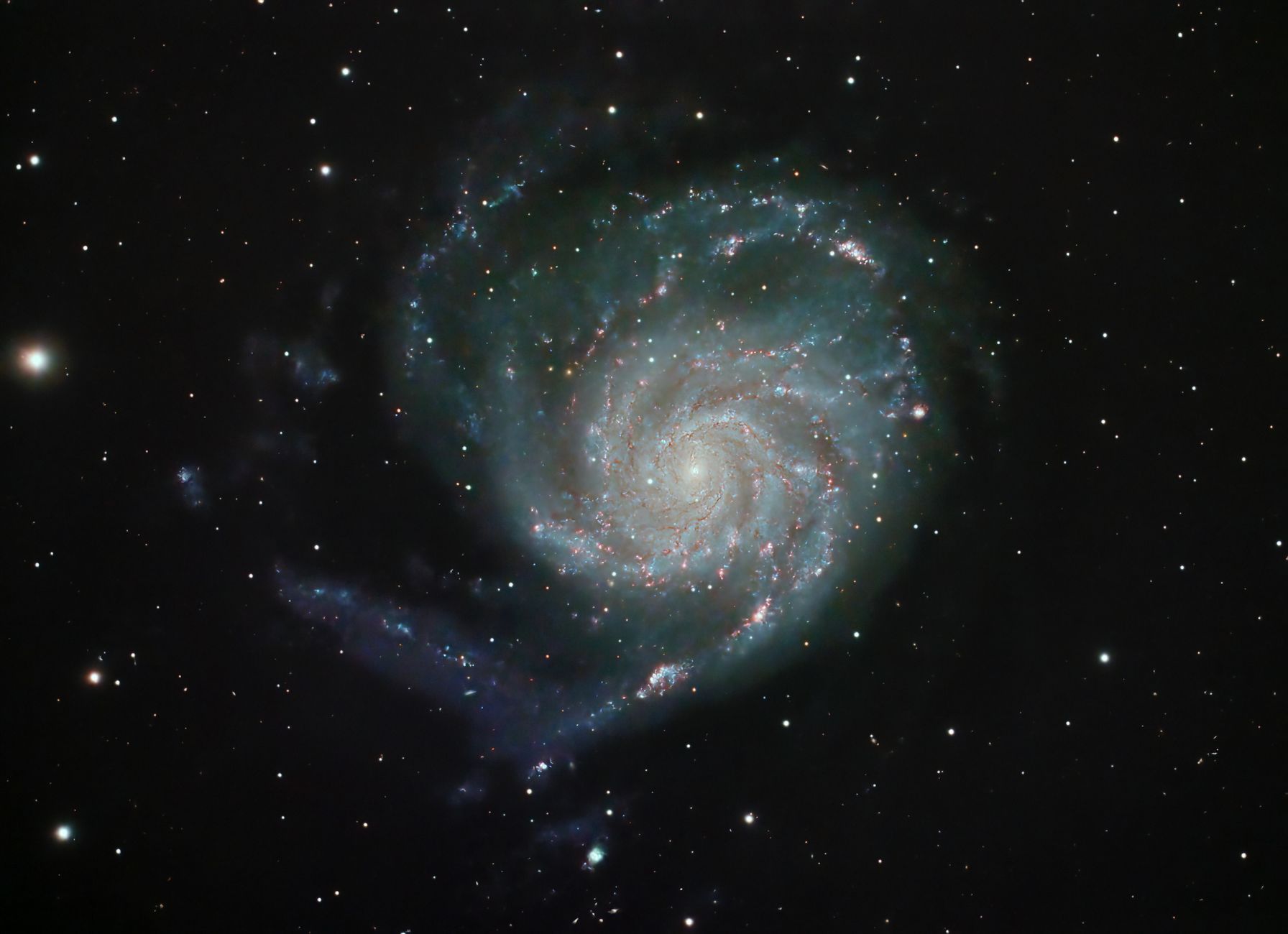
Out there in the vastness of space, a cosmic melody plays out in the 'Treble Clef' galaxy cluster, a grand symphony conducted by NASA's Chandra X-ray Observatory. The unusual name derives from the distinctive shape that emerges when the cluster is observed in radio waves. This celestial formation is not merely an artistic flourish; it is evidence of cosmic forces at work, the result of a dramatic collision between two galaxy clusters.
Recent data from Chandra reveals a shockwave extending over 1.6 million miles, a testament to the colossal energies unleashed during the collision. The galaxy cluster, officially known as Abell 2146, bears scars from an event that took place over four billion years ago. This revelation is not just a scientific curiosity but a window into the dynamics of galaxy formation and interaction.
The Cosmic Collision
When galaxy clusters collide, the event is nothing short of catastrophic. These clusters, the universe's largest gravitationally-bound structures, contain thousands of galaxies, dark matter, and hot gas. As they merge, the energy released can be equivalently described as trillions of nuclear bombs going off simultaneously. The 'Treble Clef' formation emerged when a supermassive black hole erupted, adding to the tumultuous scene.
The Chandra X-ray data has allowed scientists to map the shockwaves produced by this cosmic collision, offering insights into how such massive structures evolve over time. The collision has not only shaped the galaxies within the cluster but also influenced the distribution of dark matter and the formation of stars.
Implications for Astronomy
The study of such events is crucial for astronomers seeking to understand the universe's history and its future. By observing the remnants of these ancient collisions, scientists can refine models of galaxy evolution and test theories about the behaviour of dark matter. The 'Treble Clef' serves as a natural laboratory, providing a rare glimpse into the mechanics of the universe on its grandest scales.
In the end, the 'Treble Clef' is a reminder of the universe's dynamism and its ability to surprise us. As scientists continue to study these cosmic phenomena, each new discovery adds another note to the symphony of our understanding, a tune composed over billions of years.