NASA's Earth Data Powers River Forecasts Amid Snow Drought
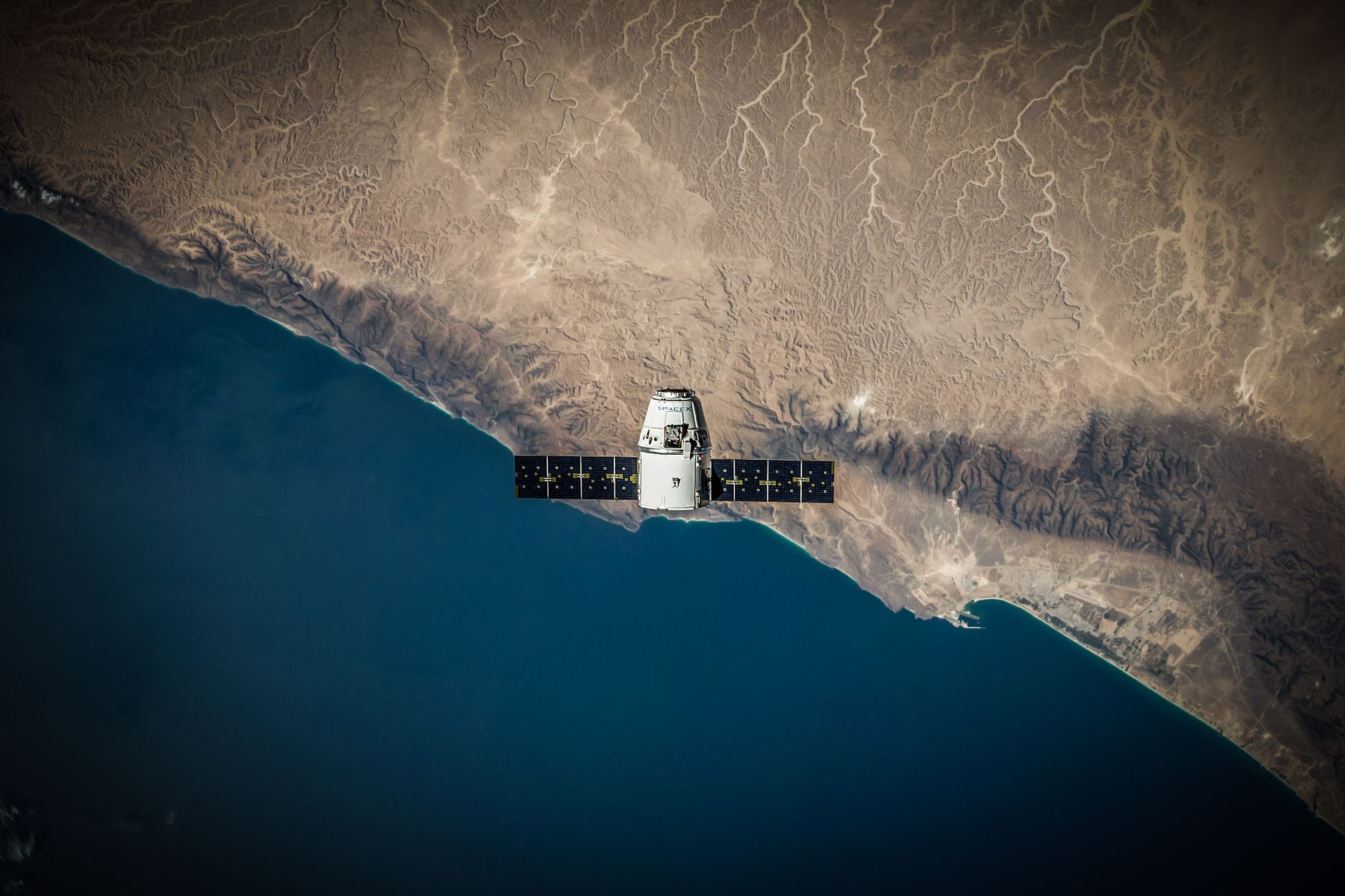
In the midst of the ongoing 2026 snow drought, a peculiar ally has emerged in the fight against water scarcity in the western United States: NASA's Earth data. As mountain peaks remain conspicuously bare, the agency’s advanced data sets are stepping in to fill the void left by absent snowmelt, providing critical support for river forecasts in Washington state.
Despite the calendar insisting it's summer, the snow drought's grip lingers, affecting everything from agriculture to hydroelectric power generation. Enter NASA's GEOS (Goddard Earth Observing System), a sophisticated tool that offers a glimpse into atmospheric behaviours and has become instrumental in forecasting river flows with greater accuracy.
Public utilities like Tacoma Power are leaning heavily on these forecasts to manage the erratic flows of the Cowlitz River. The utility, in collaboration with a U.S. technology company, employs machine-learning models that digest NASA's data to produce precise predictions. In a year marked by both floods and droughts, such precision is indispensable for resource management and public safety.
Bridging the Data Gap
The reliance on NASA's data highlights a broader shift towards embracing technology in environmental management. Traditionally, river flow predictions relied heavily on historical patterns and rudimentary calculations. However, the increasing volatility of weather patterns necessitates a more robust and dynamic approach.
Machine learning, with its ability to process vast amounts of data and discern patterns invisible to the human eye, promises just that. By integrating NASA's Earth data, these models not only predict the volume of water but also anticipate potential hazards, enabling utilities to prepare for eventualities that could impact water supply and quality.
The Bigger Picture
NASA's involvement goes beyond aiding local water management. It is part of a larger narrative where technology and science are converging to tackle the pressing issue of climate change. As traditional methods falter in the face of unprecedented environmental shifts, innovative solutions become crucial.
While the snow drought poses immediate challenges, the lessons learned and the technological advances achieved during this period could have long-lasting benefits. By fine-tuning these predictive models, we can enhance resilience against future climatic extremes, potentially safeguarding communities and ecosystems alike.
In the end, NASA's Earth data, while not a panacea, is a powerful tool in the arsenal against climate unpredictability, showing once again that when it comes to understanding our planet, the sky is not the limit.