NASA's High-Flying Science During August's Celestial Spectacle
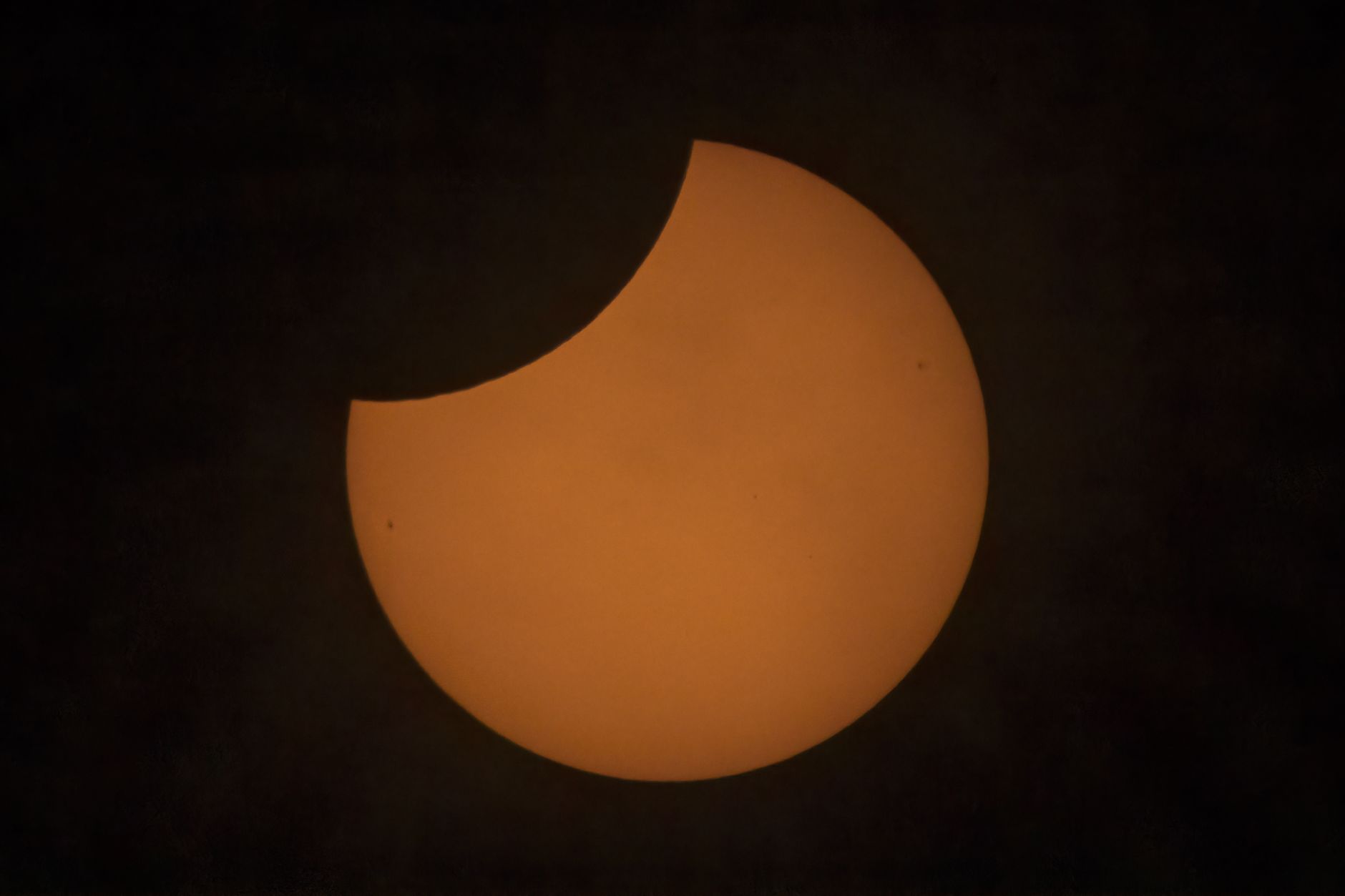
As the Moon cast its shadow over the Earth in August, a celestial ballet unfolded, momentarily shrouding the Sun and revealing its elusive corona. This total solar eclipse was not merely a spectacle for sky gazers but also a golden opportunity for scientific exploration.
NASA, ever the vanguard of space science, funded the Nationwide Eclipse Ballooning Project. This ambitious endeavour saw student teams from across the United States launch high-altitude balloons equipped with scientific instruments. These balloons ascended towards the stratosphere, capturing data that terrestrial instruments could not.
The focus of this project was twofold: to gather unique atmospheric data and to ignite a passion for science among the next generation. Students were at the helm, managing everything from balloon launch to data analysis. It was a hands-on experience that transcended textbook learning, offering real-world applications of scientific principles.
While the eclipse itself was fleeting, the data captured will endure, providing insights into solar dynamics and atmospheric conditions. The project exemplifies how collaborative efforts between space agencies and educational institutions can drive scientific progress.
This initiative also highlights the importance of total solar eclipses beyond their visual grandeur. They are windows into the workings of our Sun, offering a rare glimpse of the corona and its mysteries.
As the world anticipates the next eclipse, scheduled for April 2024, the lessons learned and data gathered from this August will undoubtedly inform future explorations. For the students involved, it was a journey of discovery, one that may well steer them towards careers in science and technology.