NASA's New Instrument Enhances ISS's Scientific Precision
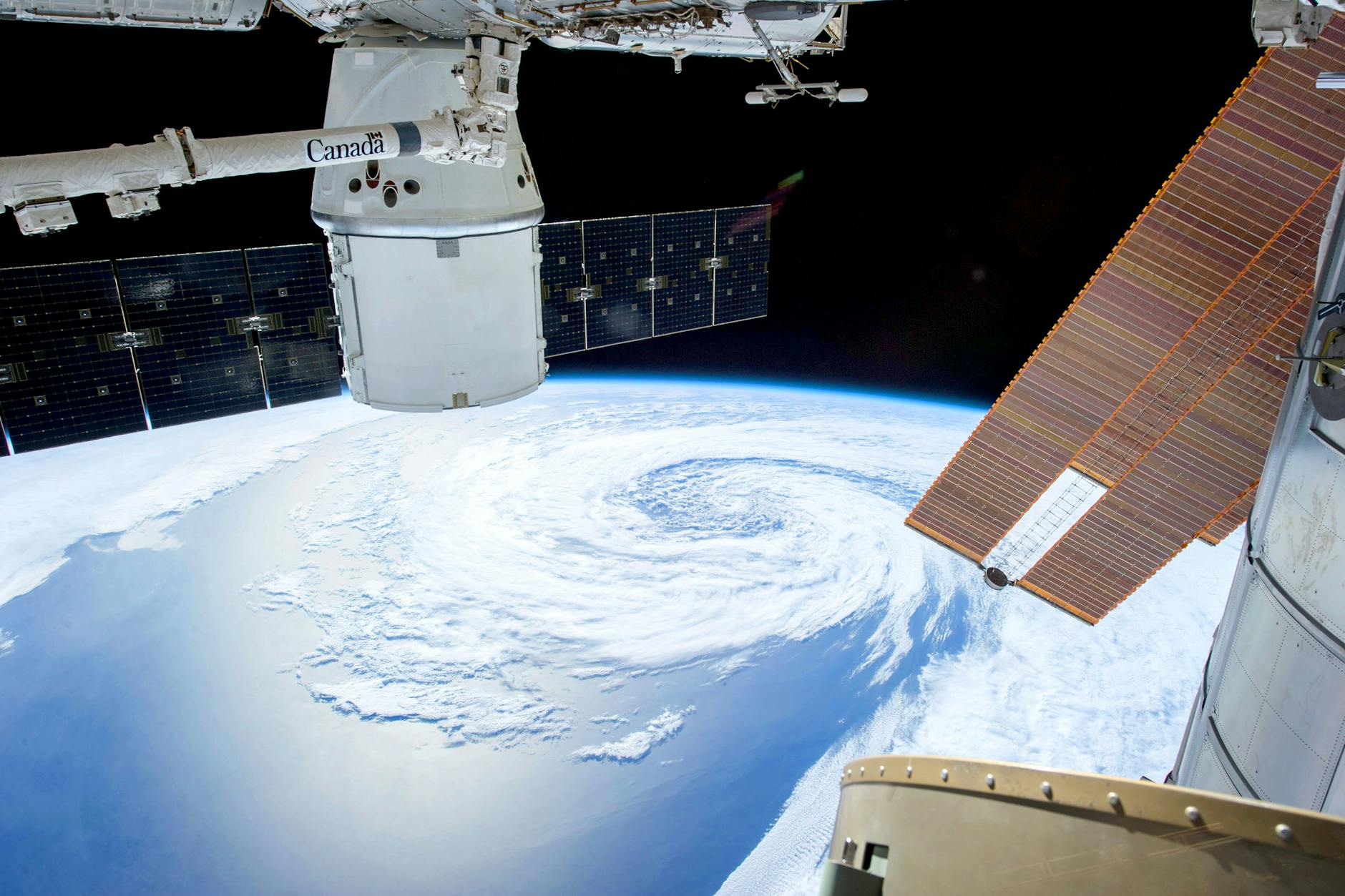
On a serene May morning, a robotic arm aboard the International Space Station reached out into the vastness of space, carefully installing NASA’s latest addition—the CLARREO Pathfinder instrument. This seemingly routine manoeuvre, executed with the precision of a Swiss watch, marks a pivotal moment in climate science research.
The CLARREO Pathfinder, now securely stationed on the ExPRESS Logistics Carrier-1, is designed to bring unprecedented accuracy to climate data. This instrument will play a key role in calibrating Earth-observing satellites, ensuring the data sent back to Earth are as precise as possible. Such accuracy is essential for tracking the subtle changes in our climate, changes that have far-reaching implications for our planet.
Enhancing Scientific Collaboration
The installation of the CLARREO Pathfinder is not just a triumph for NASA; it represents a significant milestone for international collaboration in space exploration. The International Space Station, a joint project involving NASA, Roscosmos, ESA, JAXA, and CSA, serves as a testament to what can be achieved when nations unite for a common cause. The addition of this instrument further cements the role of the ISS as a critical platform for scientific research.
CLARREO Pathfinder’s mission is to improve the accuracy of climate predictions, a task that becomes increasingly important as global climate patterns shift. By enhancing our understanding of how the Earth's climate is evolving, scientists can better predict future changes and potentially mitigate their impacts.
Looking to the Future
As the Pathfinder begins its mission, it symbolises a step forward in our quest to understand the complexities of our climate system. The data gleaned from this mission will inform not only scientists but also policymakers, helping shape the strategies needed to address climate change.
With the installation complete, attention now turns to the insights that will be generated aboard the space station. As these new streams of data begin to flow, scientists and researchers around the globe eagerly anticipate the advancements in climate science that this new instrument promises to deliver.