Navigating India's Maze of Education Schemes: A Comprehensive Guide

In the bustling cities and the quiet villages of India, one common thread binds the young minds — the pursuit of education. The Indian government, recognising education's pivotal role, has rolled out a plethora of schemes aimed at supporting students from all walks of life. However, the sheer number of these programmes can often leave families bewildered.
The JanSamarth portal serves as a beacon for those navigating this complex web. It allows individuals to assess their eligibility for various government offerings, bringing clarity to a process that can otherwise feel overwhelming. This tool is particularly invaluable for families seeking scholarships for higher education, such as those aspiring to join the teaching profession through the Bachelor of Education programmes.
Scholarships and Support: A Mixed Bag
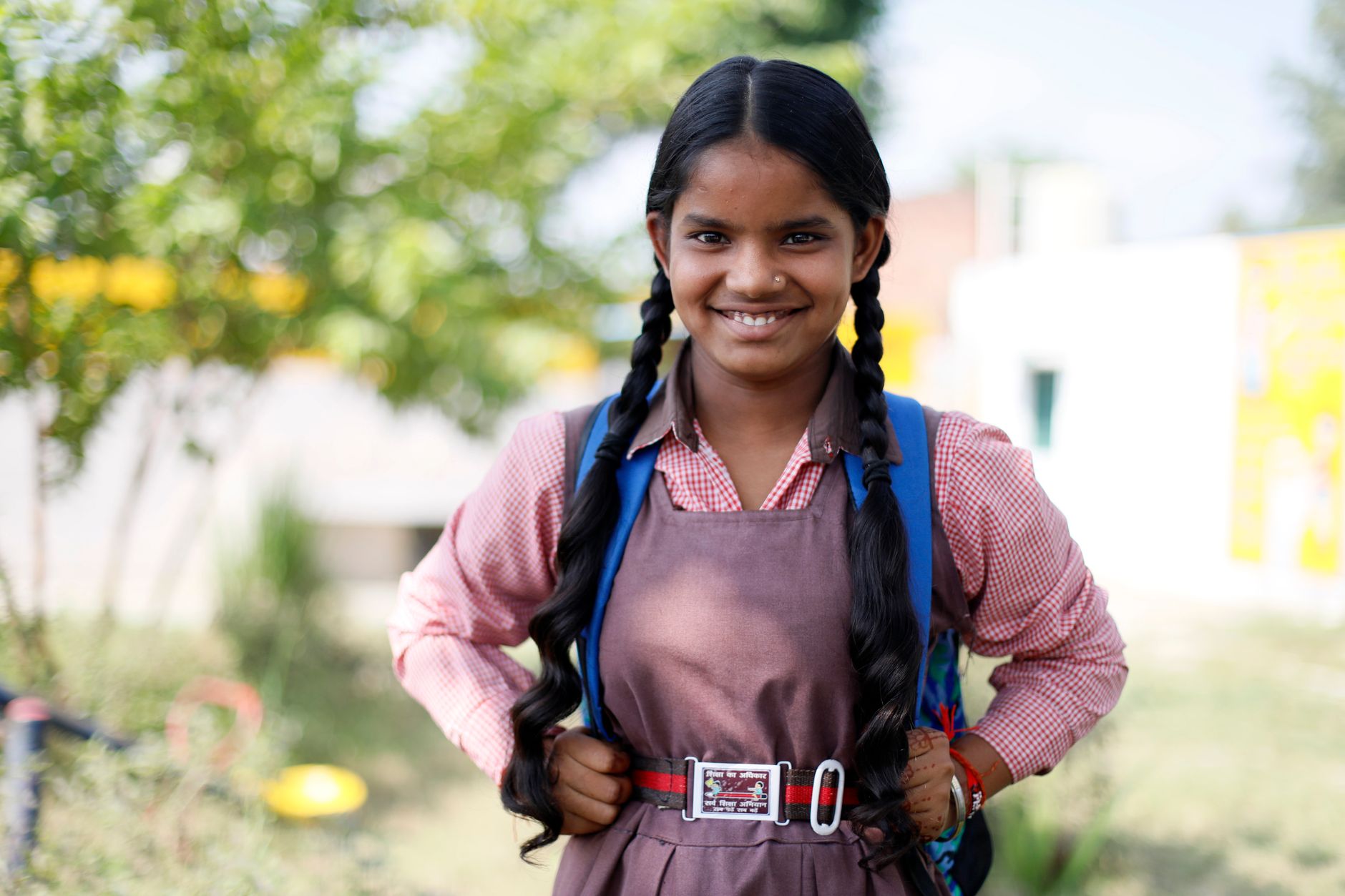
These schemes are not just limited to higher education. They extend to school-level support as well, offering scholarships to children from economically disadvantaged backgrounds. Such initiatives are crucial in a nation where educational disparity remains stark.
However, the path is not without its hurdles. Despite the availability of these resources, awareness remains a significant barrier. Many families, particularly in rural areas, remain oblivious to the opportunities available to them. This gap underscores the need for better communication and outreach strategies to ensure that the benefits reach their intended recipients.
Challenges in Implementation
While the schemes are well-intentioned, the implementation often falters. Bureaucratic red tape and delays in disbursement of funds can dampen the enthusiasm of beneficiaries. For instance, students eligible for scholarships often face long waits for payments, disrupting their educational journeys.
Moreover, the digital divide poses another challenge. While urban students may easily access online portals like JanSamarth, those in remote areas may find this digital dependency a hindrance rather than a help.
In conclusion, while India's education schemes are a step in the right direction, there is much work to be done to streamline their delivery and ensure equitable access. The focus must remain on simplifying processes, enhancing awareness, and bridging the digital gap, ensuring that every child in India has a fair chance at a brighter future.