Navigating the Political Maze: A Balancing Act in Modern Governance
In the intricate theatre of politics, where every move is scrutinised and each decision can tip the scales, leaders and citizens alike find themselves navigating a labyrinth of complexities. Far from being a mere academic subject, politics is the lifeblood of governance, the mechanism through which societies organise themselves, resolve conflicts, and, ideally, pave the way for progress.
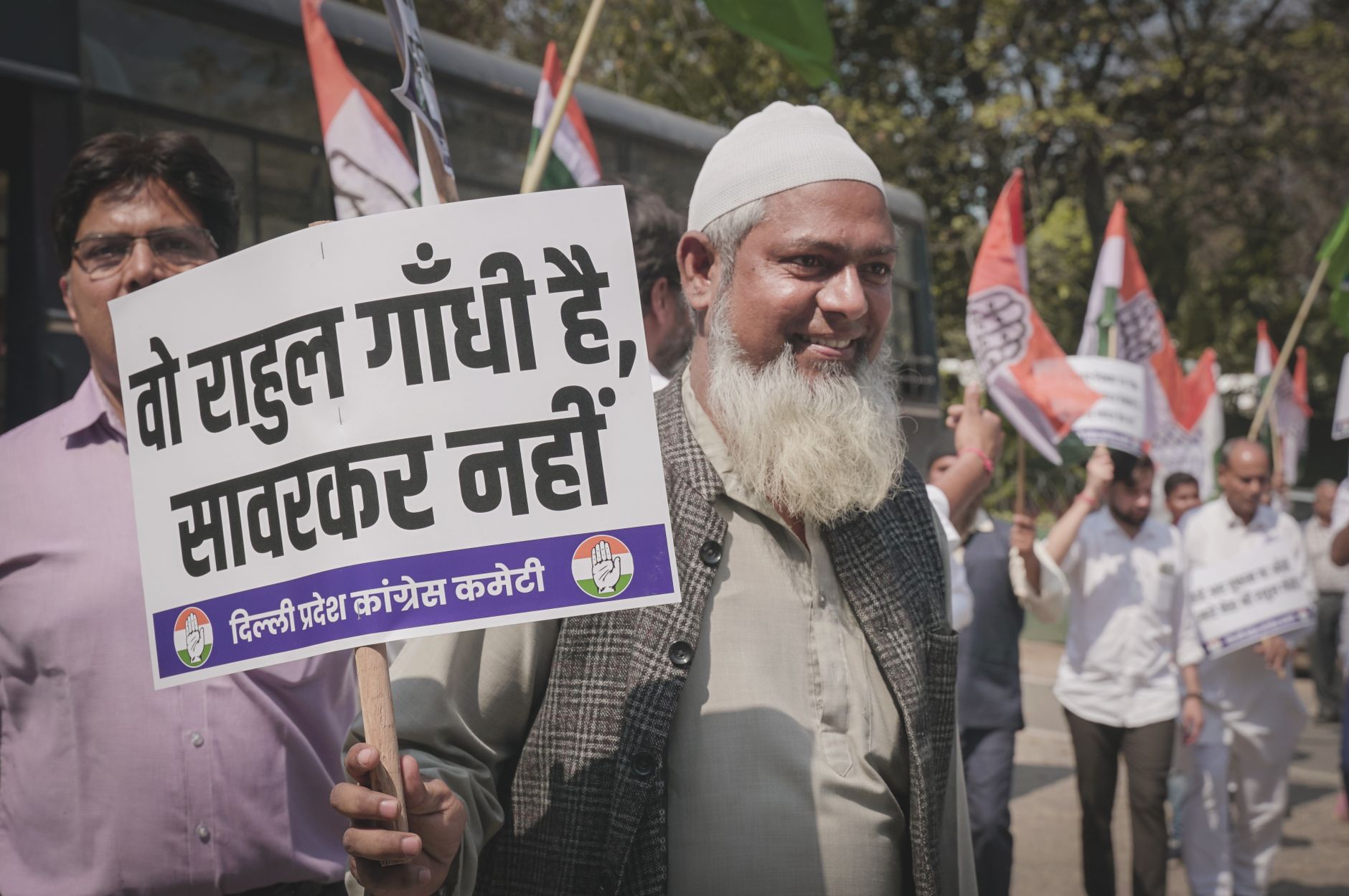
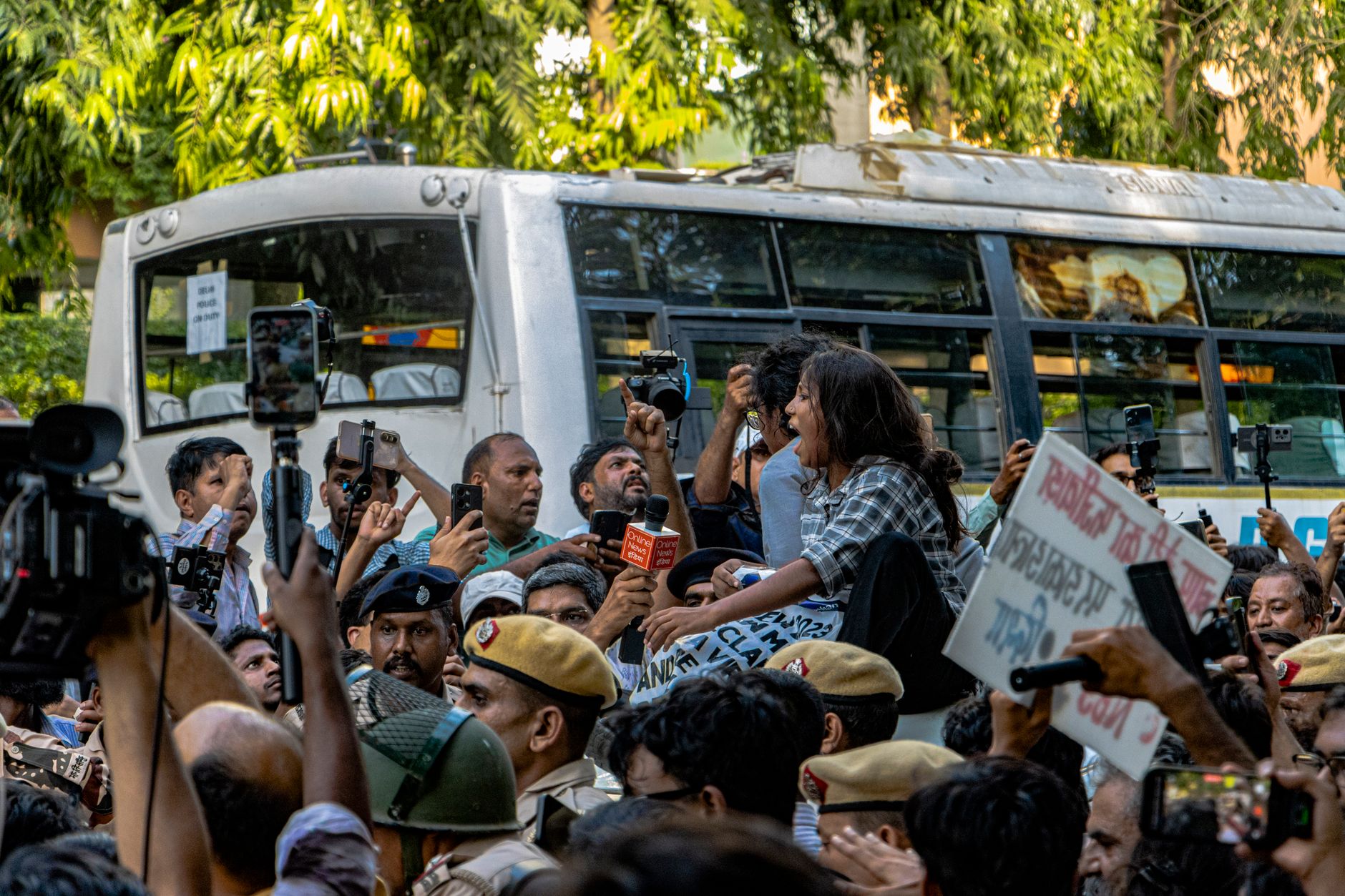
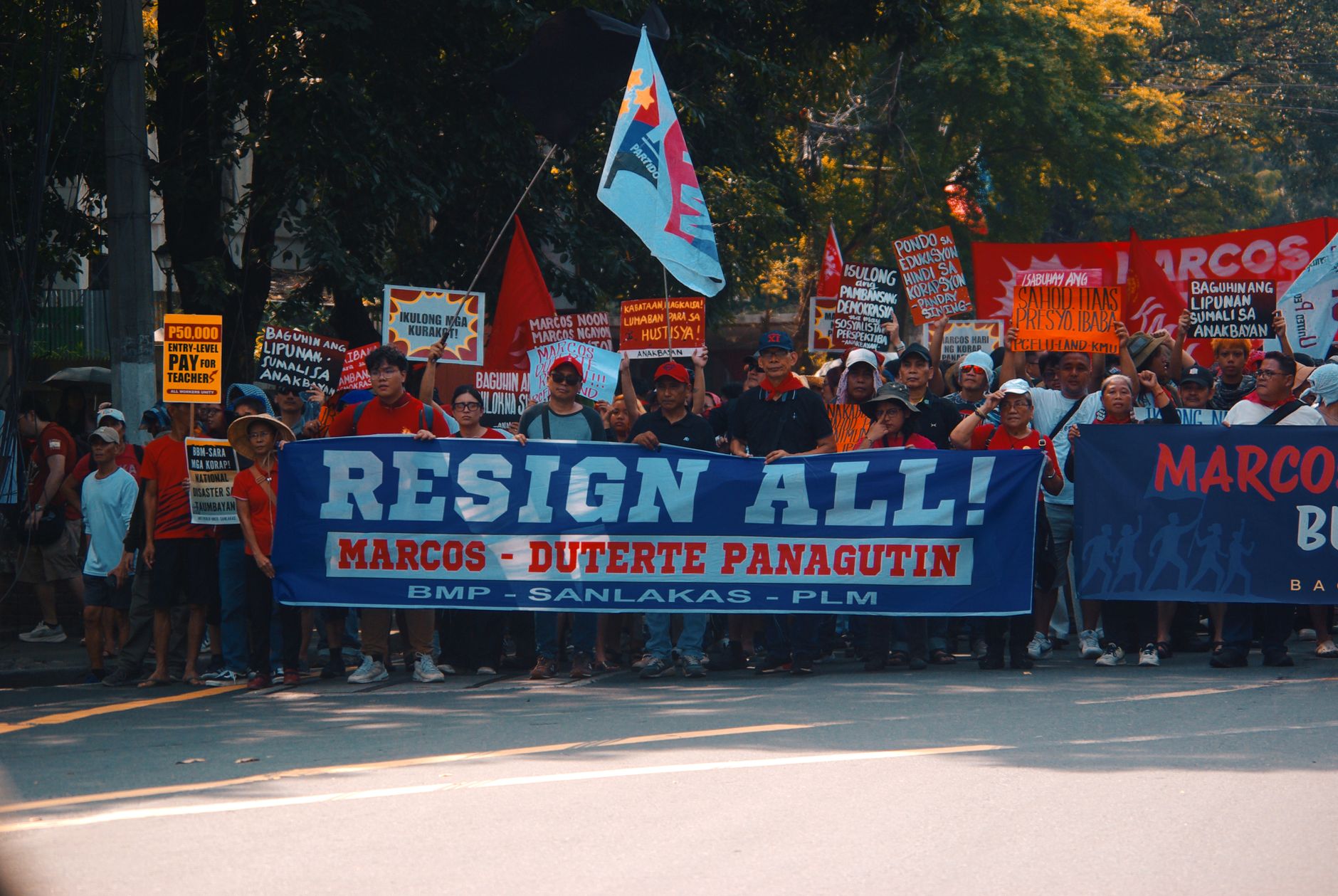
At its core, politics involves the art of negotiation, the delicate dance of compromise that allows diverse groups to coexist peacefully. Yet, it is also a battlefield, where power struggles often play out in dramatic fashion. The stakes are high, as political decisions have far-reaching consequences, impacting the lives of millions.
The Role of Political Parties
Modern political systems are typically dominated by parties, each vying to represent their constituency's interests. These parties are more than just vehicles for policy proposals; they are the embodiment of ideological stances, rallying points for those who share a common vision for the future.
In democratic nations, elections become the arena where these ideologies clash. Campaigns are crafted with precision, promises are made, and the electorate is courted with fervour. However, the quest for power is not without its pitfalls. The negative connotations of politics often stem from this very struggle, where the pursuit of authority sometimes overshadows the noble aim of service.
Politics Beyond Borders
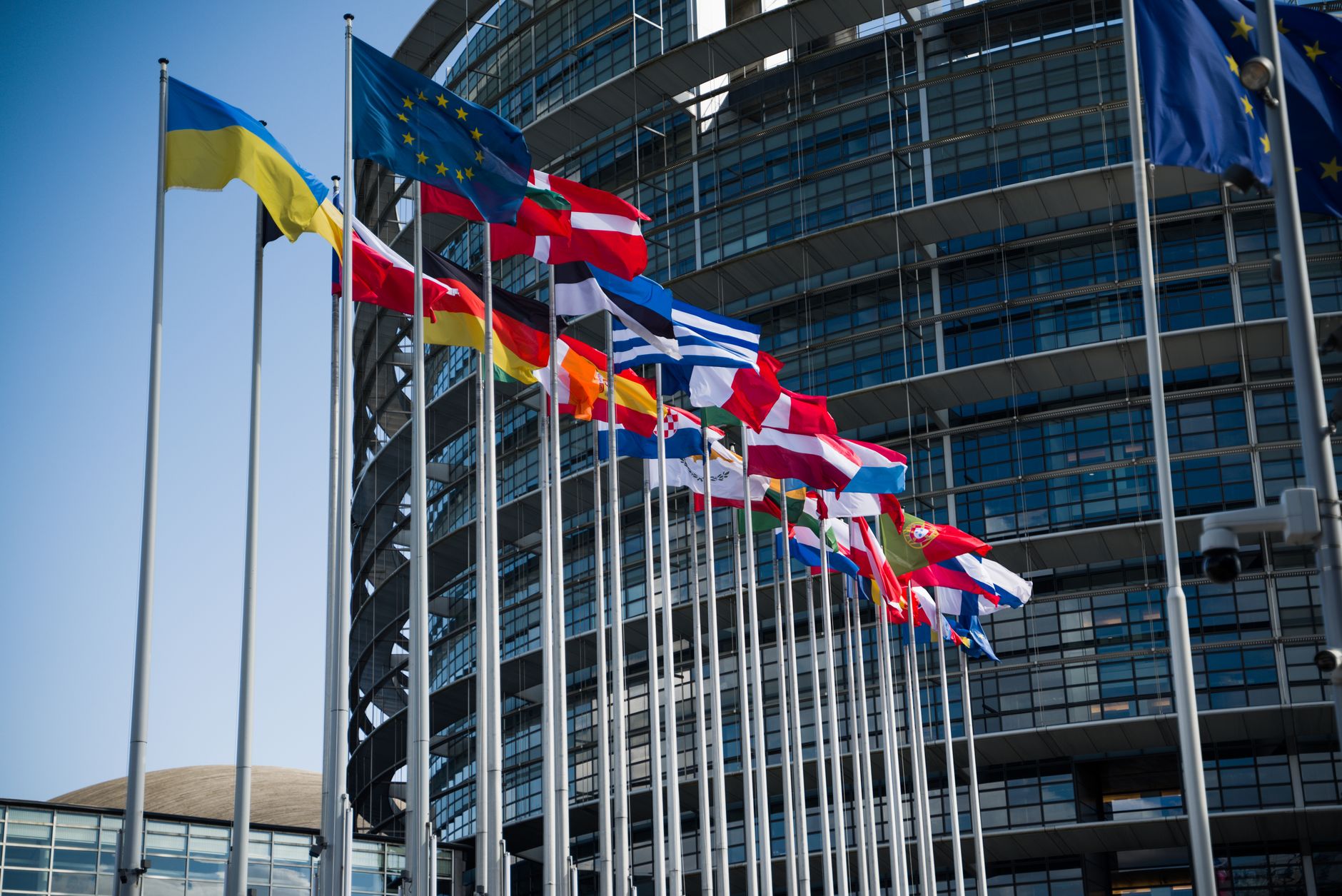
Politics is not confined to the corridors of domestic governance. On the international stage, it takes on a different hue, involving complex diplomacy and strategic alliances. Nations engage in a constant balancing act, negotiating treaties, managing conflicts, and collaborating on global issues such as climate change and security.
As we ponder the role of politics in shaping our world, it is crucial to recognise both its potential as a force for good and its capacity for division. While the ideal of a political solution suggests compromise and harmony, the reality is often a nuanced tapestry of achievements and setbacks.
Ultimately, politics reflects the human condition in all its complexity, a testament to our ability to organise, influence, and adapt. It is a reminder that, even amidst discord, the pursuit of a common good remains a worthy endeavour.