Neha Bora: The Bold Voice Challenging Modi's Leadership
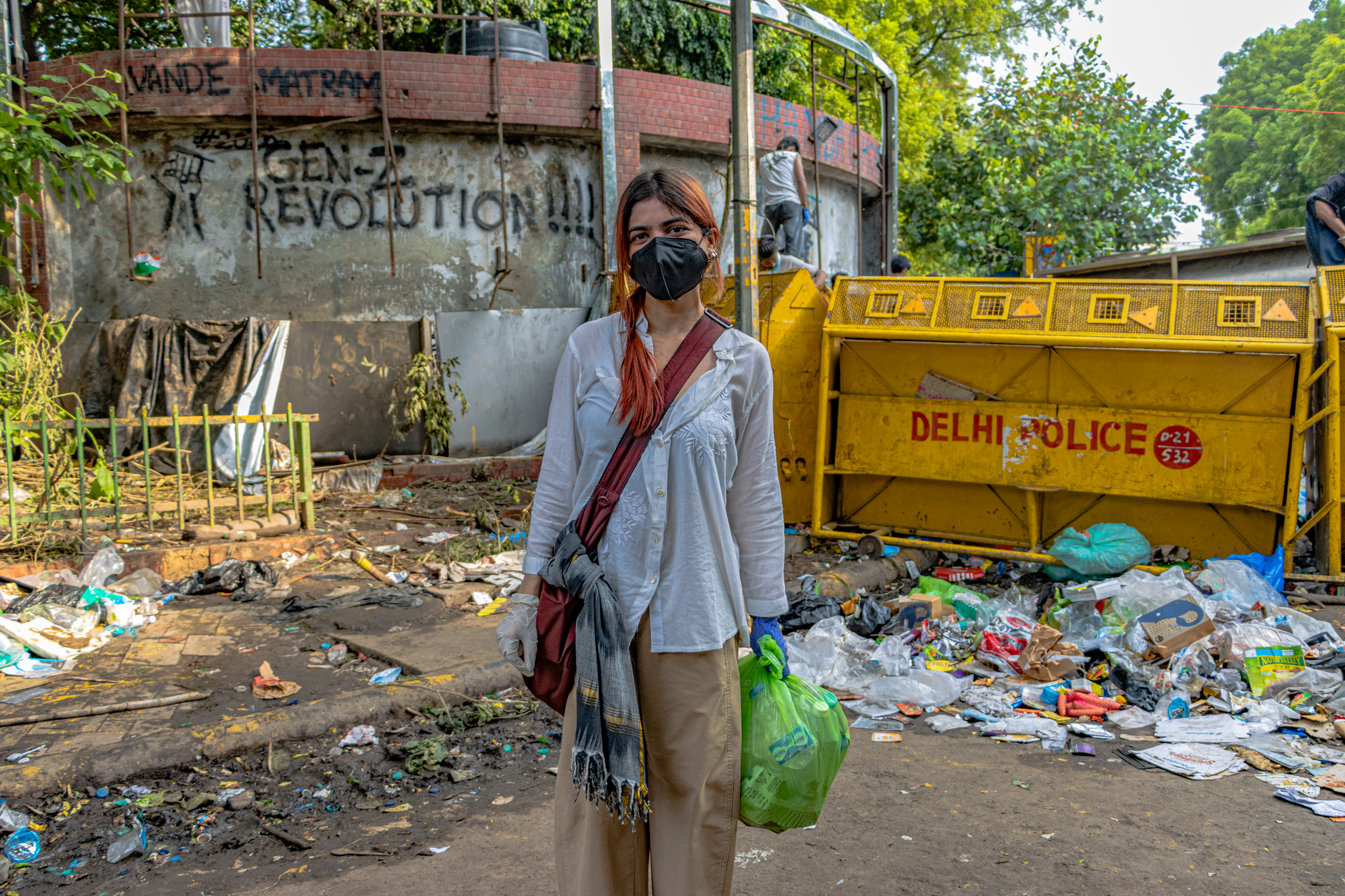
In the bustling heart of Delhi, amidst a sea of youthful banners and spirited chants, Neha Bora stands as an emblem of resistance. The 29-year-old PhD student, with her sharp rhetoric and unyielding resolve, has captured the attention of a nation long accustomed to the ruling party's dominance in both politics and social media. As a leading figure in India's Gen Z protest movement, Bora represents a new wave of activism—one that is unafraid to challenge the status quo.
At the core of these protests is a demand for the resignation of India's top election official, a figure perceived by many young activists as a barrier to fair electoral processes. Bora, with her Left-wing inclinations, has been vocal about what she sees as an erosion of democratic principles. Her clashes with police during demonstrations have not only gone viral but have also sparked a broader conversation about the role of youth in shaping India's political landscape.
A New Kind of Revolution
Unlike the traditional forms of protest that have characterised Indian political dissent, Bora and her peers have harnessed the power of social media to amplify their message. Platforms once dominated by Prime Minister Narendra Modi's Bharatiya Janata Party are now being used to rally support for opposing views. This digital battleground has become a space where Gen Z voices like Bora's can cut through the noise, offering a stark contrast to the government's narrative.
"We are televising our revolution," Bora declares, her words resonating with a generation that grew up with smartphones in hand. This strategic use of digital tools marks a significant shift in how political activism is conducted in India, challenging Modi's long-standing social media prowess.
The Road Ahead
As the protests continue, the government faces a dilemma. To ignore these youthful voices risks alienating a significant voter base, yet addressing their concerns could require a re-evaluation of policies long held sacrosanct by the ruling party. Bora's emergence signals not just discontent but a desire for genuine change.
Whether or not these protests will achieve their immediate goals remains uncertain. However, what is clear is that Bora and her fellow activists have succeeded in sparking a much-needed debate. In a country where the youth make up a substantial portion of the population, their voices, embodied by figures like Neha Bora, could very well shape the future of Indian democracy.