Neha Bora: The Student Leader Sparking a Youth Revolution
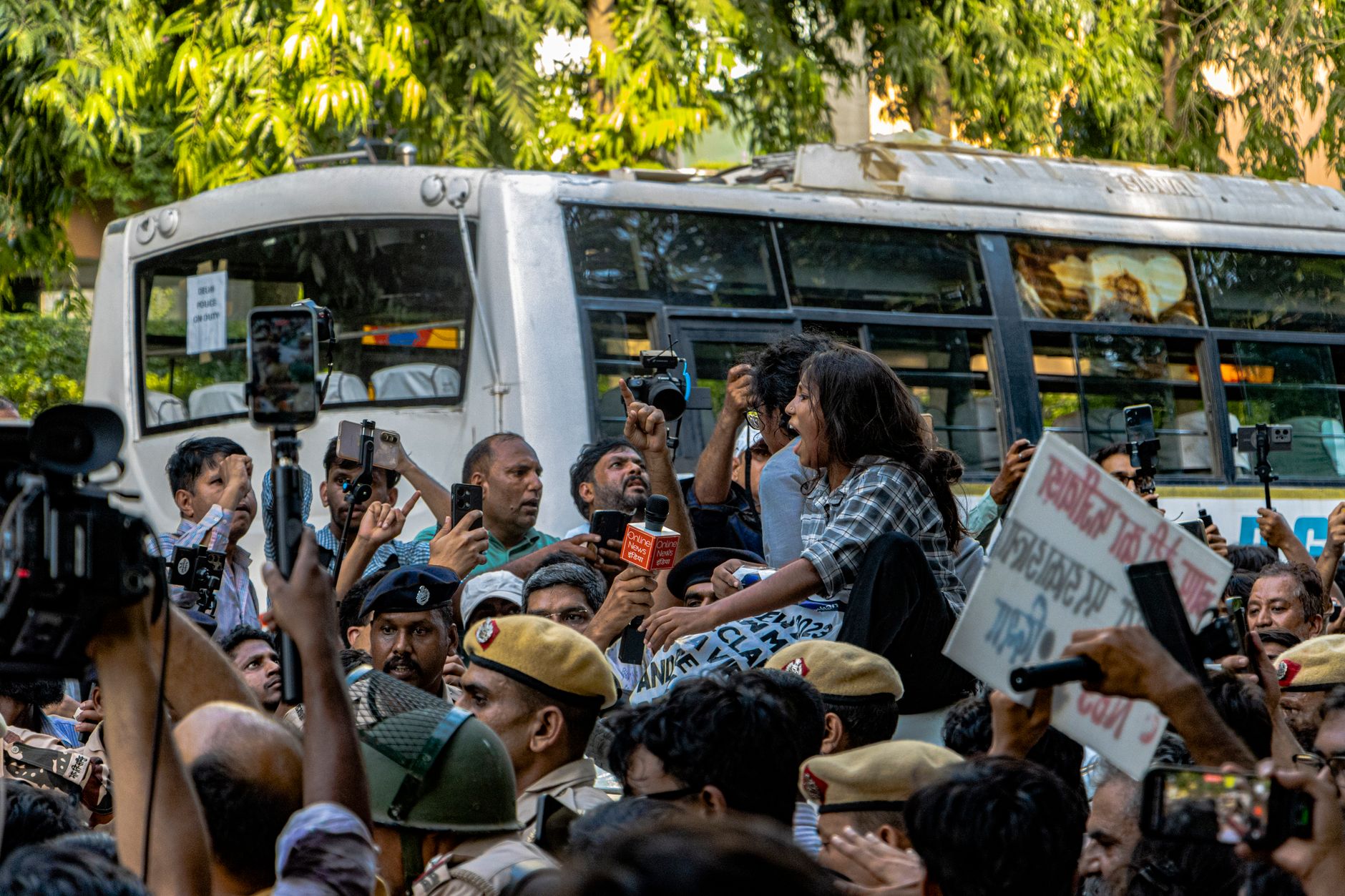
In the bustling heart of New Delhi, amidst the clatter of protest and the buzz of political discourse, a new figure has emerged, capturing the imagination of India's youth. Neha Bora, a student leader with the zeal of a seasoned activist, has become the rallying point for those disenchanted with the current political regime. Her recent detention during a protest against the Chief Election Commissioner Gyanesh Kumar has only added fuel to an already blazing fire.
Bora, who helms the All India Students’ Association, has been at the forefront of what many are now dubbing Jantar Mantar 2.0. This movement, characterised by its demand for transparency and accountability, has drawn comparisons to earlier significant youth-led protests. Her fiery speeches and uncompromising stance have resonated with a generation increasingly sceptical of traditional political structures.
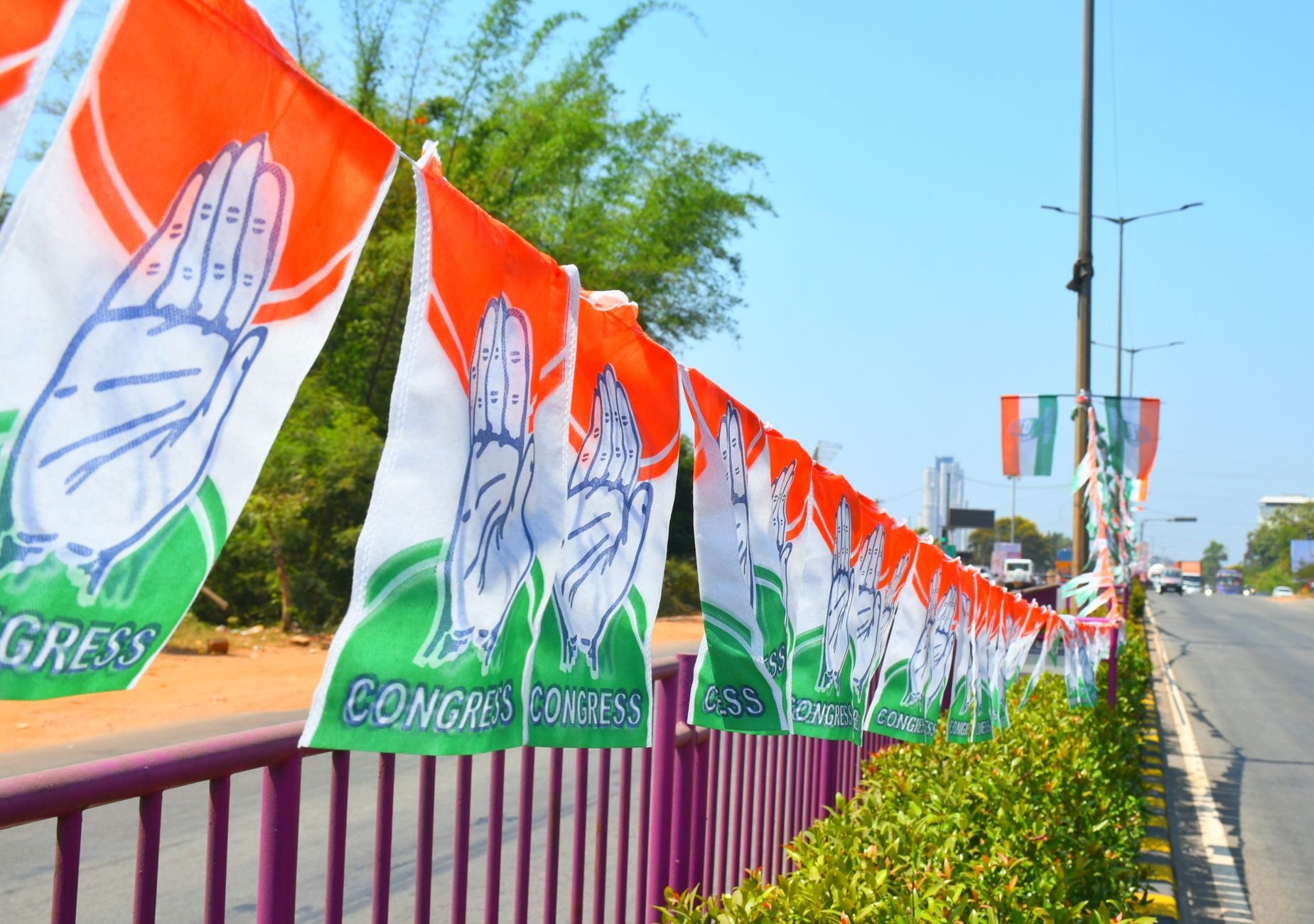
The Congress, seeing an opportunity to revitalise its image, has embraced Bora's cause. For a party that has struggled to connect with younger voters, her appeal offers a chance to regain ground lost to newer political entities. Bora's rise is not just a boon for the Congress; it is a challenge for the Left, which has long claimed to champion the youth's voice but now finds itself overshadowed.
The Left's Dilemma
The Left's inability to harness the energy of young leaders like Bora has exposed a significant gap in its outreach strategy. Once the vanguard of student and youth politics, the Left now faces an uncomfortable truth: its message is struggling to resonate. Bora's alignment with the Congress, albeit not formalised, highlights the shifting allegiances among student activists.
Political analysts suggest that Bora's ascendancy might compel the Left to reassess its approach, potentially steering it towards a more inclusive and flexible narrative. However, it remains to be seen whether such changes can be implemented swiftly enough to regain the momentum that Bora has channelised.
A Symbol of Change
For many young Indians, Bora represents more than just a political figure; she embodies their frustrations and aspirations. Her detention has not silenced her; instead, it has amplified her voice. The scenes at Jantar Mantar, with charged slogans and fervent demands, underline a broader discontent that is simmering beneath the surface.
The Congress, while gaining from Bora's popularity, must navigate this newfound support carefully. Aligning with student leaders like Bora could invigorate its base, but it also poses the risk of alienating more conservative elements within its ranks. Yet, in a political landscape ripe for change, the risks might just be worth the potential rewards.