Neha Bora: The Voice of Student Protest in Delhi
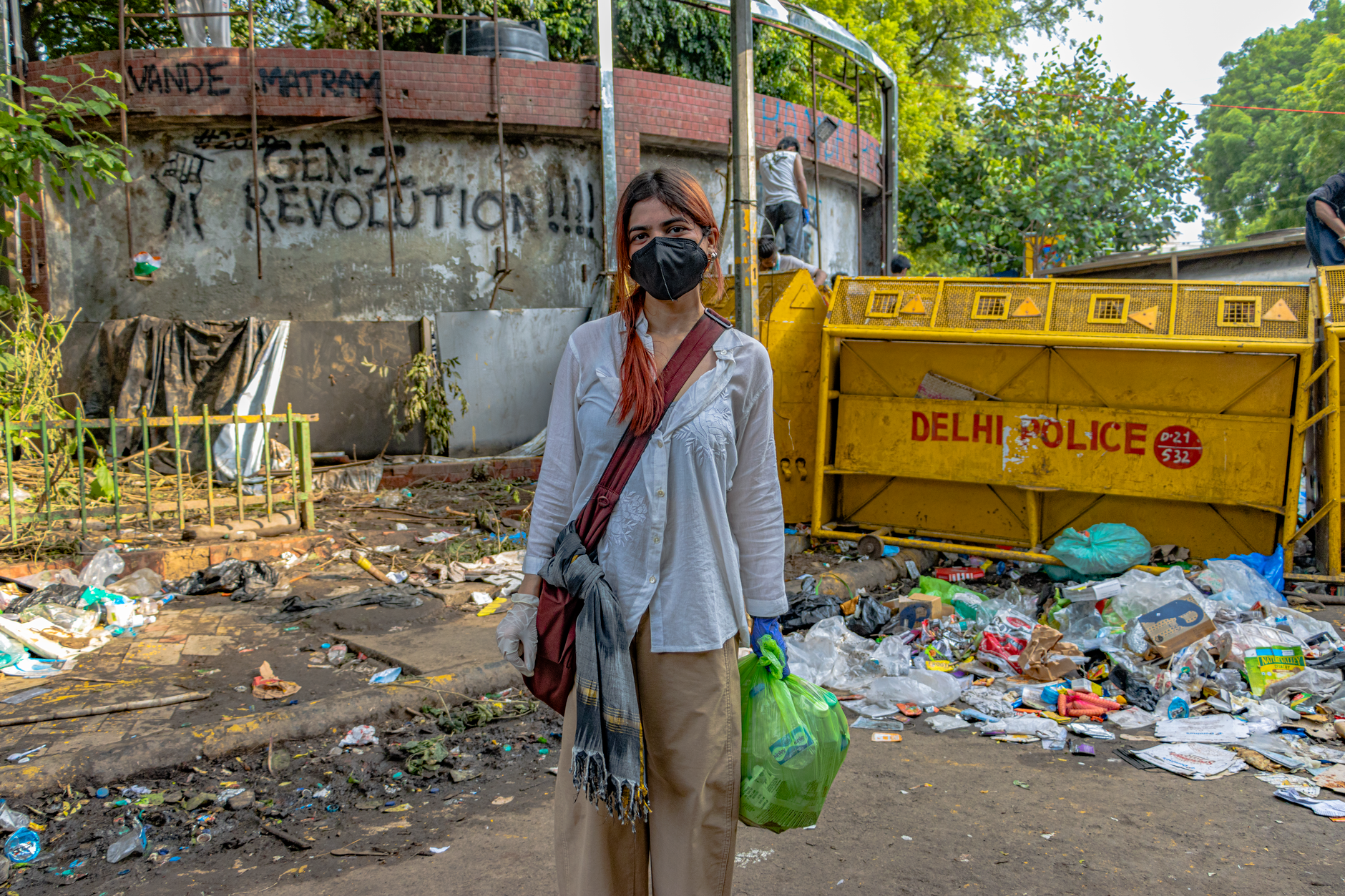
In the heart of India’s bustling capital, Neha Bora, a name that resonates with both academia and activism, is stirring more than just the usual academic debates. As the national president of the All India Students’ Association (AISA), Bora has been at the forefront of student protests, her voice echoing through the corridors of power as she challenges the status quo.
Hailing from Khatima in Uttarakhand, Bora’s journey from a PhD scholar at Jawaharlal Nehru University (JNU) to a national figure in student activism is noteworthy. Her academic focus on performance studies seamlessly intertwines with her role in leading student campaigns, advocating for educational reforms and fundamental rights.
The Protest at Jantar Mantar
Recently, Bora found herself amidst the chaos of Delhi’s streets, leading protests against the Chief Election Commissioner at the iconic Jantar Mantar. The protest, marked by its intensity and Bora’s subsequent detainment by police, was a direct response to what she and others allege as unwarranted detentions amid the capital’s heightened security measures. Her social media posts have criticised the detentions and barricading, questioning the democratic values of the nation's capital.
Her involvement in a 23-day hunger strike at Jantar Mantar further underscores her commitment to the cause. The strike, which gained national attention, was not merely a plea for change but a demonstration of her resolve to fight for student rights.
Public Curiosity and Personal Life
Bora’s public profile, however, is not limited to her activism. As people search for details about her age, education, and family, it’s clear that her influence extends beyond protests. While specifics on her family life remain sparse, her roots in a small town and her rise to prominence reflect a narrative of perseverance and dedication.
Neha Bora’s story is not just about protests and detainments; it’s about a young woman navigating the complex interplay of education and activism in contemporary India. Her journey reminds us of the enduring power of student voices in shaping the nation’s democratic ethos.