Nepal Demands Climate Compensation from Major Polluters
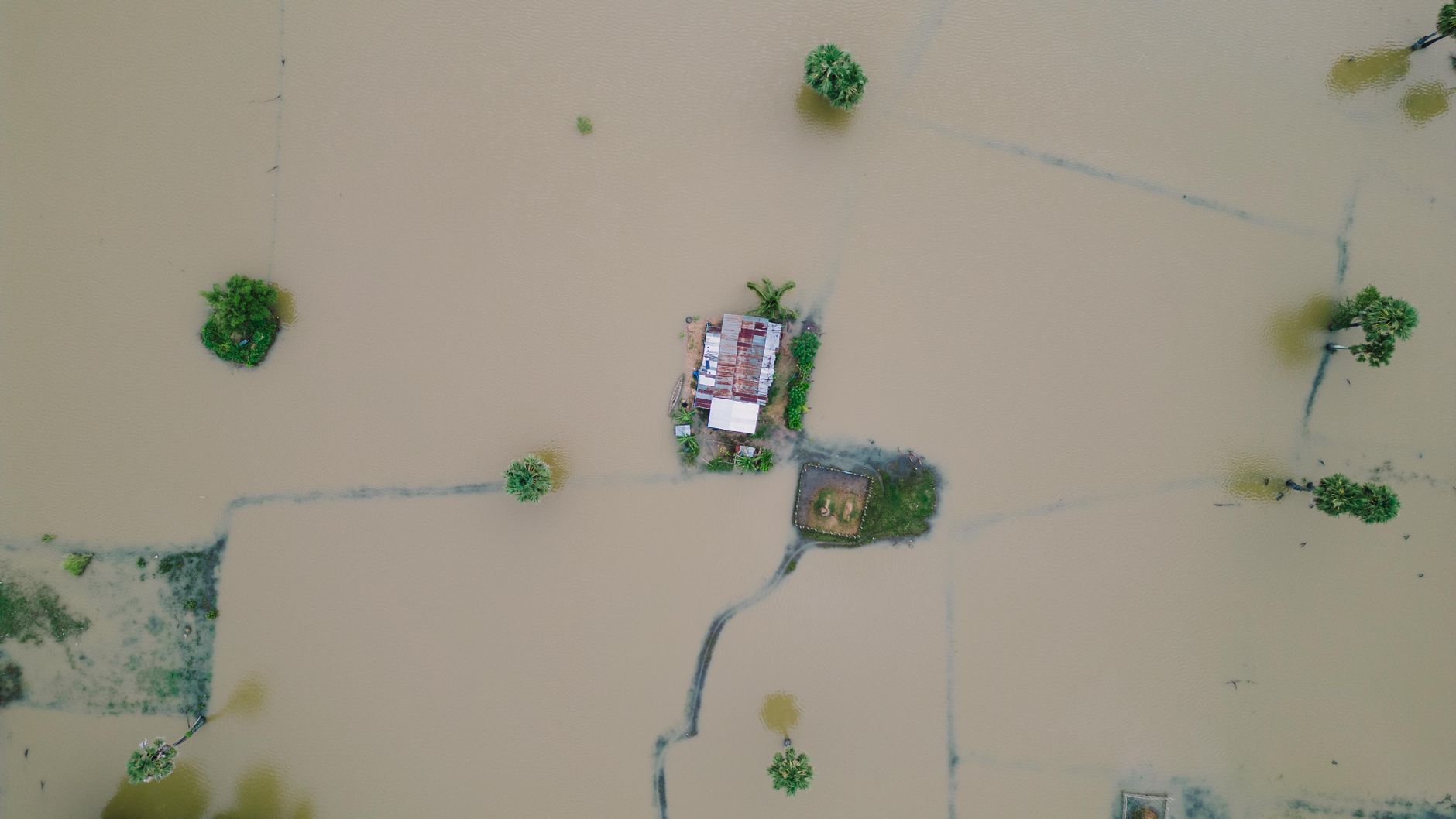
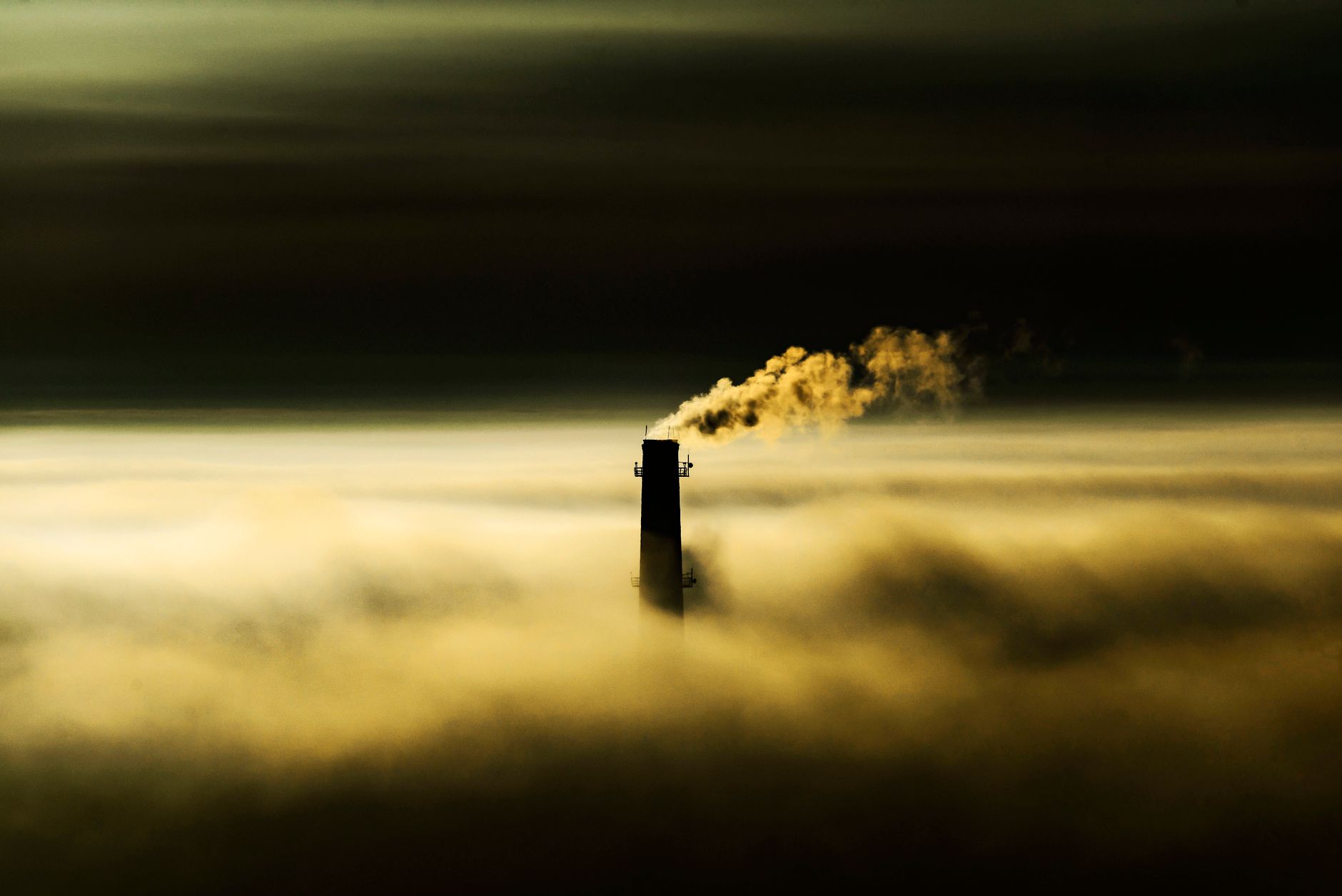
In the wake of devastating floods that have swept through Nepal's landscapes, the nation is not merely seeking aid but is demanding climate compensation from the world's largest polluters. The Nepalese government has squarely aimed its appeals at China, the United States, and India, holding them accountable for what it describes as a 'historical responsibility' due to their substantial greenhouse gas emissions.
As mud-covered streets and debris-laden rivers paint a sombre picture of the aftermath in areas like Trishuli in Nuwakot, the call from Kathmandu is clear. Nepal's Environment Minister, with a firm resolve, stated, "This is not about charity. This is about climate justice." The country asserts that while it contributes insignificantly to the global carbon footprint, it finds itself disproportionately bearing the brunt of climate-induced calamities.
A Cry for Justice, Not Just Aid
Nepal’s argument is grounded in the principle that those causing environmental harm should compensate those suffering from its impacts. The minister elaborated that the assistance should be viewed as a moral obligation of the developed and developing giants, rather than a benevolent gesture. "It's time these nations acknowledge their role and responsibilities," he added.
The call for compensation is not merely a financial plea. It seeks to underscore a broader narrative of accountability and responsibility in a world where climate change knows no borders. The Himalayan nation has formally requested urgent aid from the international Loss and Damage Fund, highlighting the need for a structured mechanism to address such injustices.
Global Emissions and Local Devastation
Nepal's topography, with its vulnerable glacial systems, is particularly susceptible to the impacts of climate change. Yet, it is these very glaciers that are at the mercy of warming temperatures, driven by emissions far beyond the nation's control. This dichotomy fuels the urgency of Nepal's demands.
As the global community continues to negotiate climate accords, the pleas of nations like Nepal serve as a reminder of the immediate and tangible effects of environmental negligence. Whether these demands for compensation will translate into meaningful action remains uncertain, but the narrative of climate justice is gaining an indomitable momentum.