Nepal Floods: NISAR Satellite's Puzzling Absence During Crisis
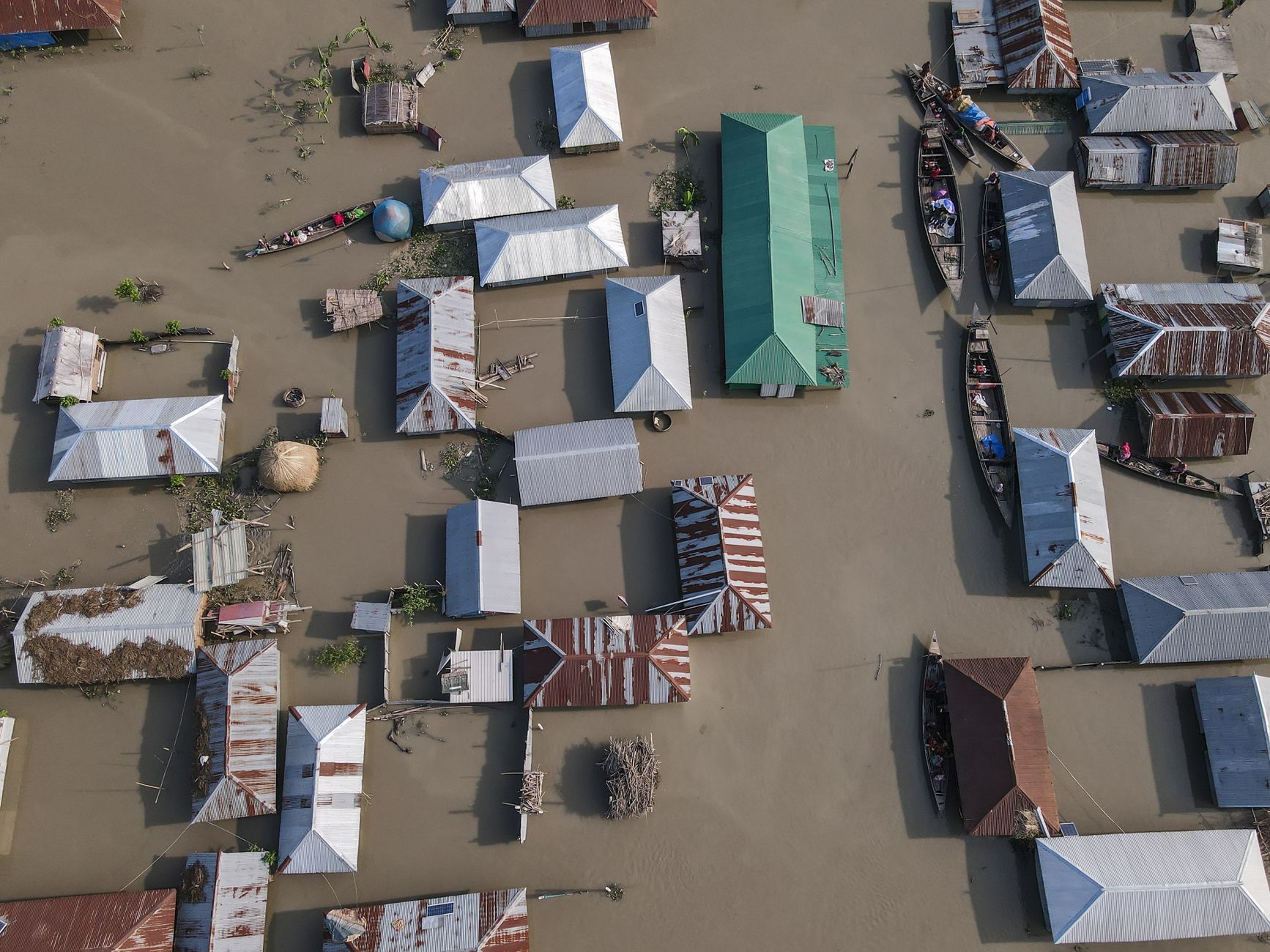
In the picturesque yet perilously volatile landscapes of Nepal, nature's wrath has once again made its presence felt, with flash floods and mudslides wreaking havoc across the nation. As the death toll climbs past 900 and thousands remain missing, the focus has shifted to a curious absenteeism: the NISAR satellite.
Jointly developed by NASA and ISRO, the NISAR satellite was heralded as a groundbreaking tool for monitoring the Earth's surface dynamics. It promised to be the vigilant eye in the sky, providing real-time data crucial for disaster management. Yet, during Nepal's dire need, this multi-billion dollar marvel appears to have been caught napping.
The Promise of NISAR
NISAR, an acronym for NASA-ISRO Synthetic Aperture Radar, was designed to observe some of the planet's most dynamic processes, including ice-sheet collapse, ecosystem disturbances, and, pertinently, natural disasters like floods. The satellite employs advanced radar technology to penetrate cloud cover, offering a clear view of the Earth's surface under all weather conditions.
The satellite's absence during Nepal's catastrophic flooding has drawn criticism from experts and the public alike. "We expected NISAR to be a game-changer in how we respond to such disasters," remarked Dr. Aarti Mehta, a climatologist based in Delhi. "Its silence is as deafening as the floods themselves."
Questions of Accountability
While the satellite's capabilities remain undisputed on paper, its operational efficacy during real-world crises is now under scrutiny. Some speculate that technical glitches may have grounded the satellite's operations, while others point towards bureaucratic oversight as a potential cause.
As rescue efforts continue, with international aid pouring in and local authorities working tirelessly, the conspicuous absence of NISAR's data has ignited a debate on the accountability of technological investments in disaster management.
For Nepal, the immediate concern is the monumental task of rebuilding lives and infrastructure. However, the situation has also highlighted the need for reliable technological support in crisis management, a need that NISAR was supposed to fulfil.
As the world watches and waits for answers, one thing is clear: in the battle between technology and nature, complacency can have devastating consequences.