Nepal's Glacial Challenges: A Looming Threat of Disasters
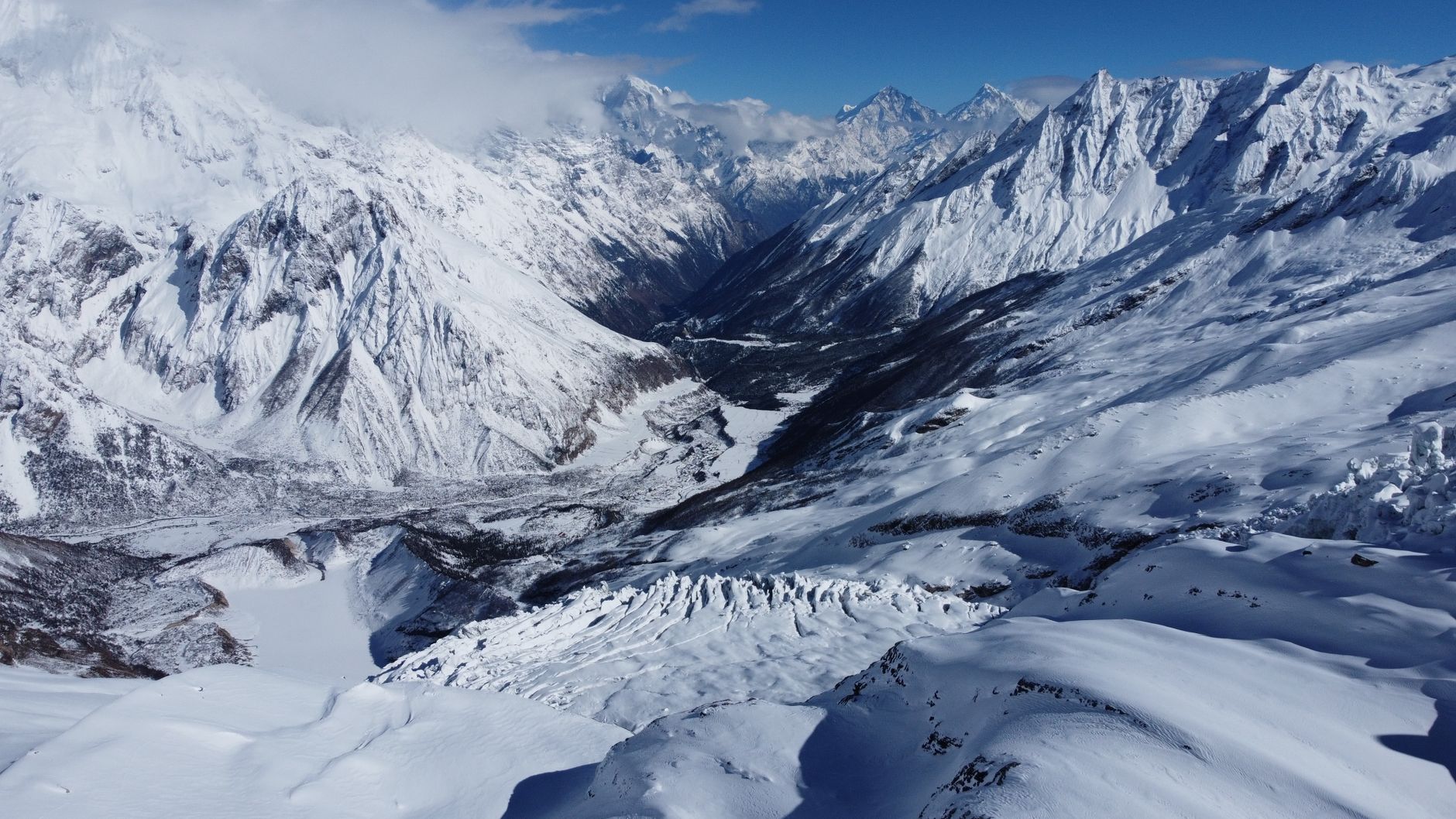
In the shadows of the majestic Himalayas, Nepal stands as a testament to nature's unyielding power. Yet, beneath its stunning beauty, lies a growing concern: the glaciers, once steadfast, are now catalysts for disasters.
As the Earth's climate warms, the glaciers of Nepal are retreating at alarming rates. This retreat is not just a matter of environmental concern but a pressing issue of public safety. The glacial melt feeds rivers, but it also swells them, increasing the risk of catastrophic floods. These floods can sweep away homes, uproot communities and devastate livelihoods.
The country's unique geographical position compounds these challenges. Nepal straddles the boundary between the Indian and Eurasian tectonic plates, making it seismically active. Earthquakes can trigger landslides, which are exacerbated by the heavy monsoon rains. In recent years, the intensity of these rains has increased, likely linked to climate change, further destabilising the already fragile landscape.
A Perfect Storm of Natural Forces
The interaction between these elements—thawing glaciers, seismic activity, and intense rainfall—creates a perfect storm of natural forces. This confluence is particularly evident in the formation and subsequent collapse of glacial lakes. As glaciers melt, water accumulates in depressions, forming lakes. When these lakes overflow or their natural dams burst, the downstream effects can be catastrophic.
In 2026, a similar event in the Nuwakot district brought this danger into sharp focus. The resulting flash floods wreaked havoc, underscoring the need for improved warning systems and infrastructure resilience.
Global Responsibility and Local Action
While Nepal grapples with these challenges, it is clear that the responsibility is not solely theirs to bear. International cooperation is vital. Nations with advanced satellite technology and climate expertise must lend support, not just in times of disaster, but in long-term planning and risk assessment.
Investment in resilient infrastructure, disaster-risk finance, and insurance can provide much-needed stability. However, the lessons of Nepal's plight extend beyond its borders, highlighting a global imperative to address the root causes of climate change and its cascading impacts.
For Nepal, the path forward is fraught with challenges, but with coordinated efforts, both local and international, a more secure future is possible.