Nepal's Glacial Meltdown: A Looming Environmental Crisis
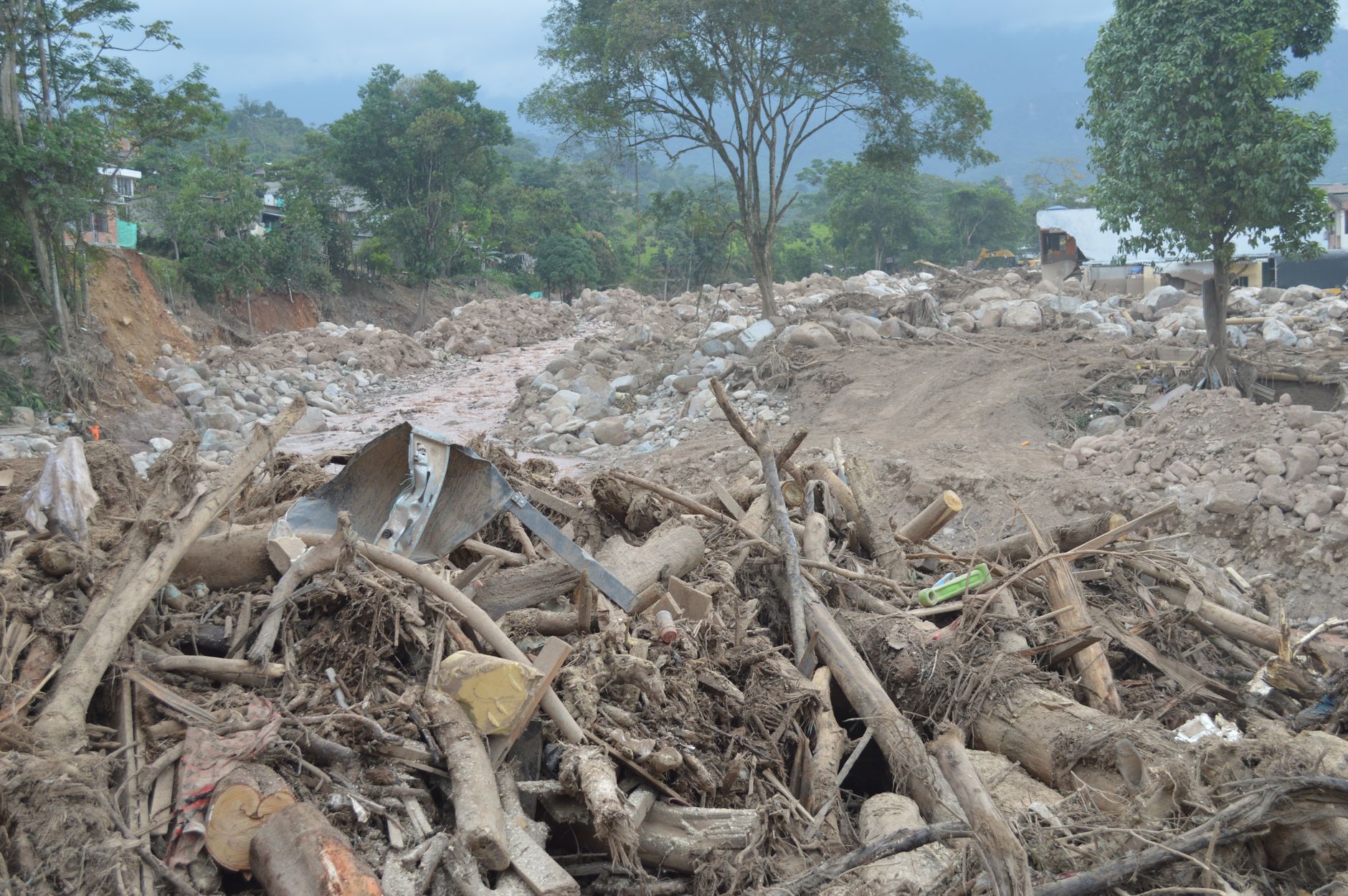
In the rugged terrains of Nepal, where the majestic Himalayas stand sentinel, the climate's capriciousness has become increasingly evident. Last week's tragic events have once again cast a spotlight on the fragile balance between nature and human habitation in this picturesque yet perilous land.
The recent disaster that swept through Nepal's Nuwakot district was not merely an act of nature; it was a stark reminder of the changing climate's insidious impacts. A glacial collapse, rather than the monsoon's usual fury, triggered the deadly flash flood that claimed hundreds of lives. This incident underscores the critical role that glacial environments are playing in shaping disasters in Nepal.
Glaciers: The Silent Sculptors
Glaciers, those seemingly silent giants, are far from inert. They are dynamic entities, constantly evolving and responding to climatic shifts. In Nepal, glaciers act as both reservoirs and regulators of water supply. However, the warming climate has accelerated their melting, leading to an increased volume of water and heightened risk of glacial lake outburst floods (GLOFs).
According to the National Disaster Risk Reduction and Management Authority, the 'glacier-inclusive flood' in the Lhende River was precipitated by an ice-rock avalanche. Such incidents are becoming alarmingly frequent, exacerbated by the warming temperatures that destabilise ice formations.
The Broader Implications
While the immediate impact of such disasters is devastating, the long-term implications are equally concerning. The livelihoods of millions depend on the rivers fed by Himalayan glaciers, and any disruption in this delicate water cycle can have far-reaching consequences for agriculture, hydropower, and biodiversity.
Efforts to mitigate these risks are ongoing, but they require a concerted approach. International cooperation, robust scientific research, and community engagement are essential to devise effective strategies for adapting to and mitigating the effects of climate change.
Nepal's plight is a microcosm of a broader global issue. As glaciers worldwide retreat, the environmental, economic, and social challenges they pose call for urgent attention. For Nepal, the future hinges on our collective ability to respond to these challenges with innovation and resilience.