Nepal's Glaciers: The Silent Architects of Disaster
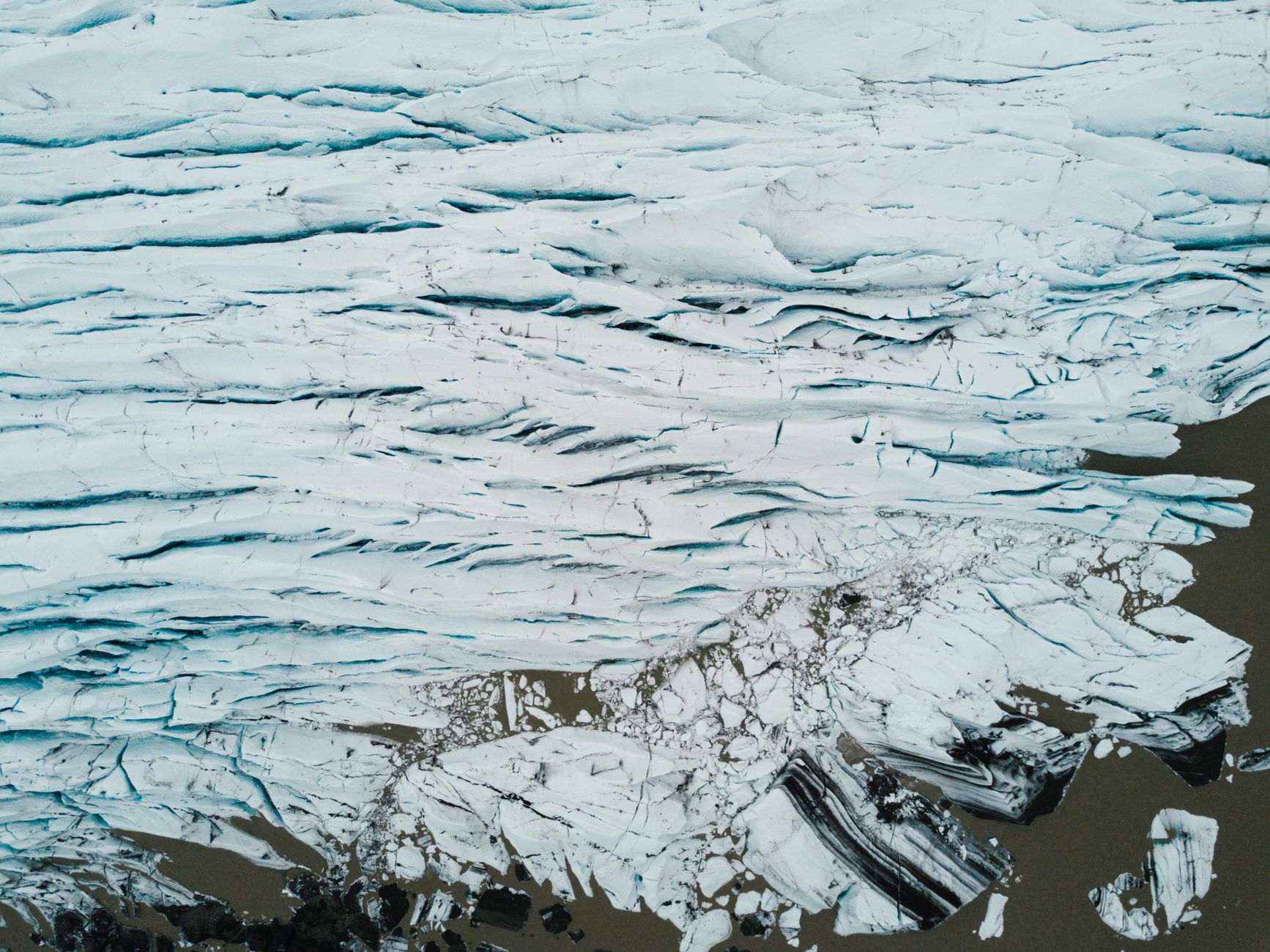
High in the Himalayas, where snow-laden peaks glisten like ancient sentinels, the forces of nature are quietly orchestrating a perilous symphony. Nepal, a nation known for its breathtaking landscapes, finds itself grappling with an increasingly ominous threat: its glaciers. These icy giants, slowly yielding to the twin pressures of tectonic activity and global warming, are reshaping the geography and, more alarmingly, the safety of those living in their shadow.
Recent developments have cast a spotlight on the precarious situation. The Nepalese disaster authority's alert about a rising glacial lake poised to burst is a stark reminder of the region's vulnerability. This lake, formed by debris obstructing a river, underscores a growing pattern where glacial meltwater accumulates, only to be held back by unstable natural dams. Should these barriers fail, the ensuing deluge could spell catastrophe for communities downstream.
The Tectonic Ballet
Nepal sits atop one of the most dynamic geological interfaces on Earth. The Indian plate's relentless collision with the Eurasian plate at approximately 20 millimetres per year is a force to be reckoned with. This tectonic ballet not only gives rise to the majestic Himalayas but also triggers seismic events that contribute to the destabilisation of glaciers. Just last week, a glacial collapse near the Nepal-Tibet border registered as a magnitude 5.2 seismic event, leaving scientists scrambling to assess its impact.
Such incidents are not anomalies. Data indicates that the region has witnessed dozens of glacial failures since 1900. These include ice avalanches and rock-ice avalanches, which have devastating consequences for the landscapes and populations below. The frequency and intensity of these events are expected to increase as the climate continues to warm, exacerbating the risks.
Climate Change's Icy Grip
Climate change is an undeniable accelerant in this unfolding drama. The rapid warming of the atmosphere above the high peaks of Nepal is causing glaciers to melt at unprecedented rates. The resulting glacial lakes are ticking time bombs, their potential for destruction amplified by the very conditions that created them.
Experts warn that the situation demands urgent attention. Strategies for disaster preparedness and mitigation must be prioritised to safeguard lives and livelihoods. As the world grapples with the broader implications of climate change, Nepal's plight serves as a poignant reminder of the challenges faced by those living in the shadow of the world's highest mountains.