Nepal's Melting Glaciers: A Looming Threat of Disasters
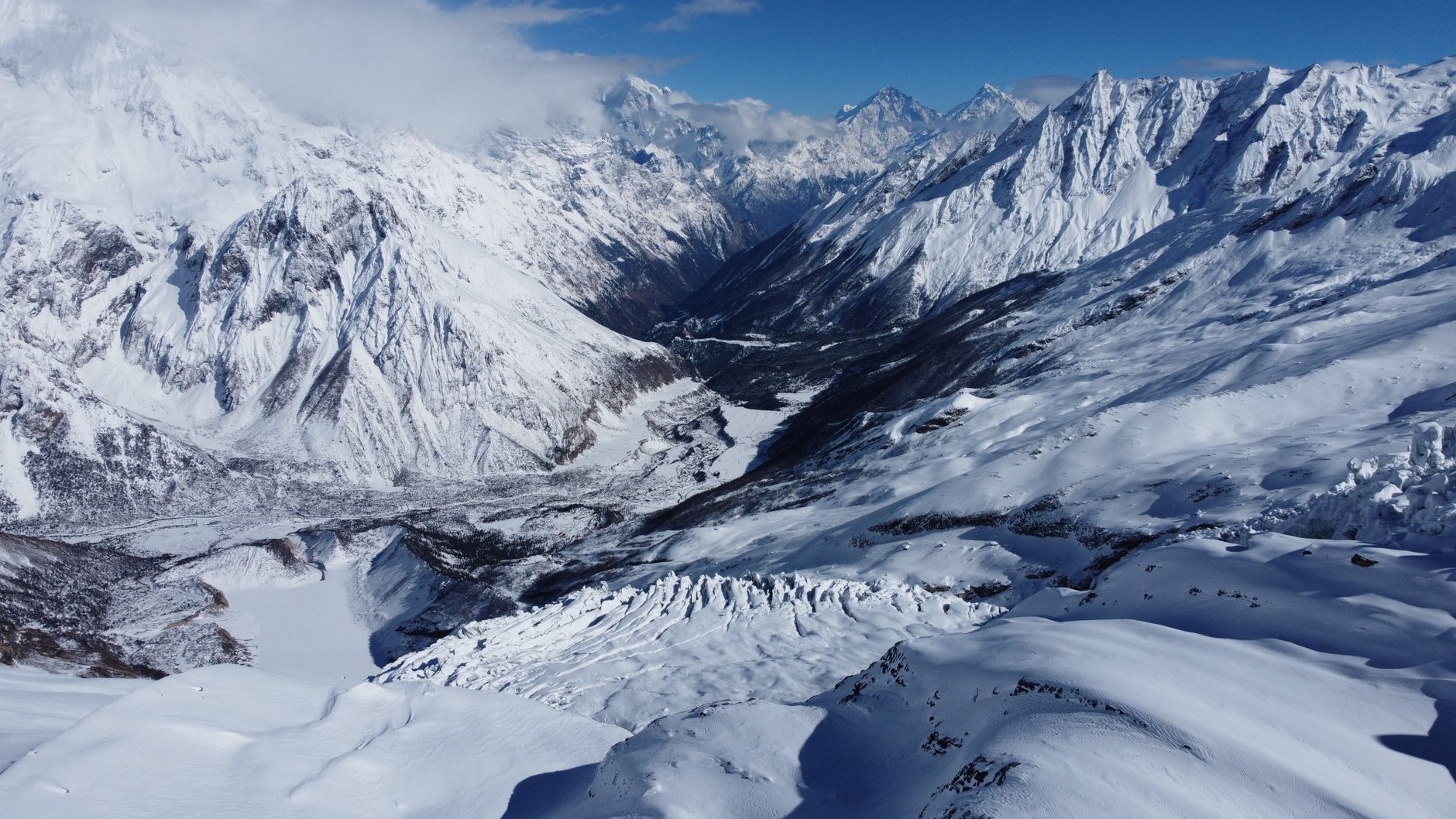
In the shadow of the world's tallest peaks, Nepal's glaciers are melting at an alarming rate, triggering a series of natural disasters that have left scientists and locals equally anxious. The Langtang catchment area, nestled near the border with Tibet, has seen glacier loss rates skyrocket, increasing more than fourfold since the mid-20th century. The root cause, scientists assert with high confidence, is the relentless march of human-induced climate change.
On a day marked by tragedy in late August, a massive glacier collapse near the Nepal-Tibet frontier served as a stark reminder of the region's fragility. The sheer volume of ice that gave way is still being calculated, but estimates suggest it could range from a staggering half a million cubic metres to tens of millions. This event, however, is merely symptomatic of a broader environmental crisis.
The Science Behind the Meltdown
Geologists note that Nepal sits precariously at the intersection of two colossal tectonic plates: the Indian plate and the Eurasian plate. Their slow but inexorable collision, along with accelerated atmospheric warming, creates a perfect storm for glacial retreat. The consequences are not limited to immediate flooding or landslides; they threaten the very fabric of life for people relying on these glaciers for water, agriculture, and hydroelectric power.
Dr. Cox, an expert on the region's glacial dynamics, explains that the collapse could have been triggered by a combination of factors including increased temperatures and seismic activity. The detective work to unravel these incidents is complex but crucial for future risk mitigation.
A Warning Beyond Borders
While Nepal grapples with these immediate challenges, the implications extend far beyond its borders. India's Himalayan region, sharing the same geological and climatic conditions, faces similar threats. Thousands of glaciers and numerous glacial lakes in the Indian Himalayas stand as potential harbingers of disaster.
This interconnectedness of risks highlights the need for regional cooperation and comprehensive climate policies. As global temperatures continue to rise, the urgency for action grows ever more pressing. Solutions may not be simple, but the first step lies in recognising the shared destiny of this fragile mountainous terrain.