Nepal's PM Warns World: Climate Change's Costly Consequence
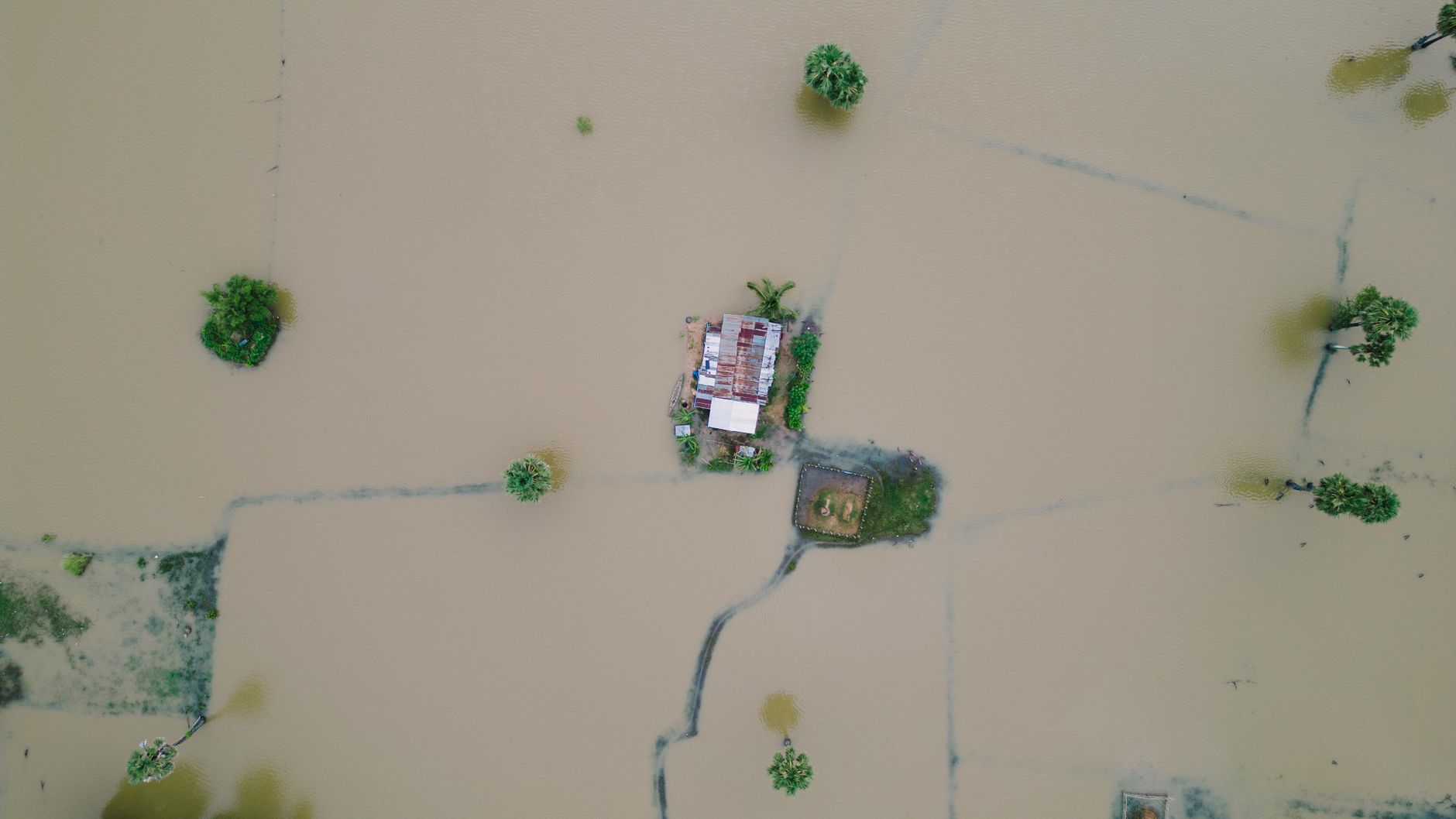
In a searing address to the United Nations, Nepal's Prime Minister, Balendra Shah, laid bare the grim realities faced by countries like his, which bear the brunt of climate change despite contributing minimally to the crisis. Shah's speech on Thursday was as much a call to action as it was a rebuke, drawing attention to the devastating flash floods that wreaked havoc across Nepal last month.
"The floods were not just a local incident but a global warning," Shah asserted, his tone both sombre and urgent. The disaster, which claimed lives and decimated communities, epitomises the disproportionate impact of global warming on vulnerable nations. "We are paying the price for a problem we did not create," he lamented, urging wealthier countries to take greater responsibility.
The Rising Tide of Climate Alarm
Nepal's recent catastrophe is a microcosm of a larger, more ominous trend. As temperatures rise, so do the frequency and intensity of extreme weather events, leaving countries like Nepal scrambling to adapt. Shah's message was clear: the world can no longer ignore the plight of those on the frontlines of climate change.
The prime minister called for enhanced international cooperation to support adaptation and resilience-building efforts. He emphasised that the burden of climate adaptation should not rest disproportionately on nations with limited resources. "Our survival depends on global solidarity," he stated, urging for immediate and substantial action.
Shifting the Global Narrative
While the Prime Minister's address was well-received by some, it underscored a growing frustration among developing nations. Many feel sidelined in global climate discussions, despite being the most affected. Shah's speech served as a reminder that climate change is a global issue requiring a collective response.
As the world grapples with the escalating climate crisis, leaders like Shah are pushing for a narrative shift. They demand not just acknowledgment of their plight but concrete action to mitigate the impacts. As Shah concluded his address, his message was unequivocal: "The time for words has passed; we need action."