New Cell Discovery Sheds Light on Aging Prostate Mystery
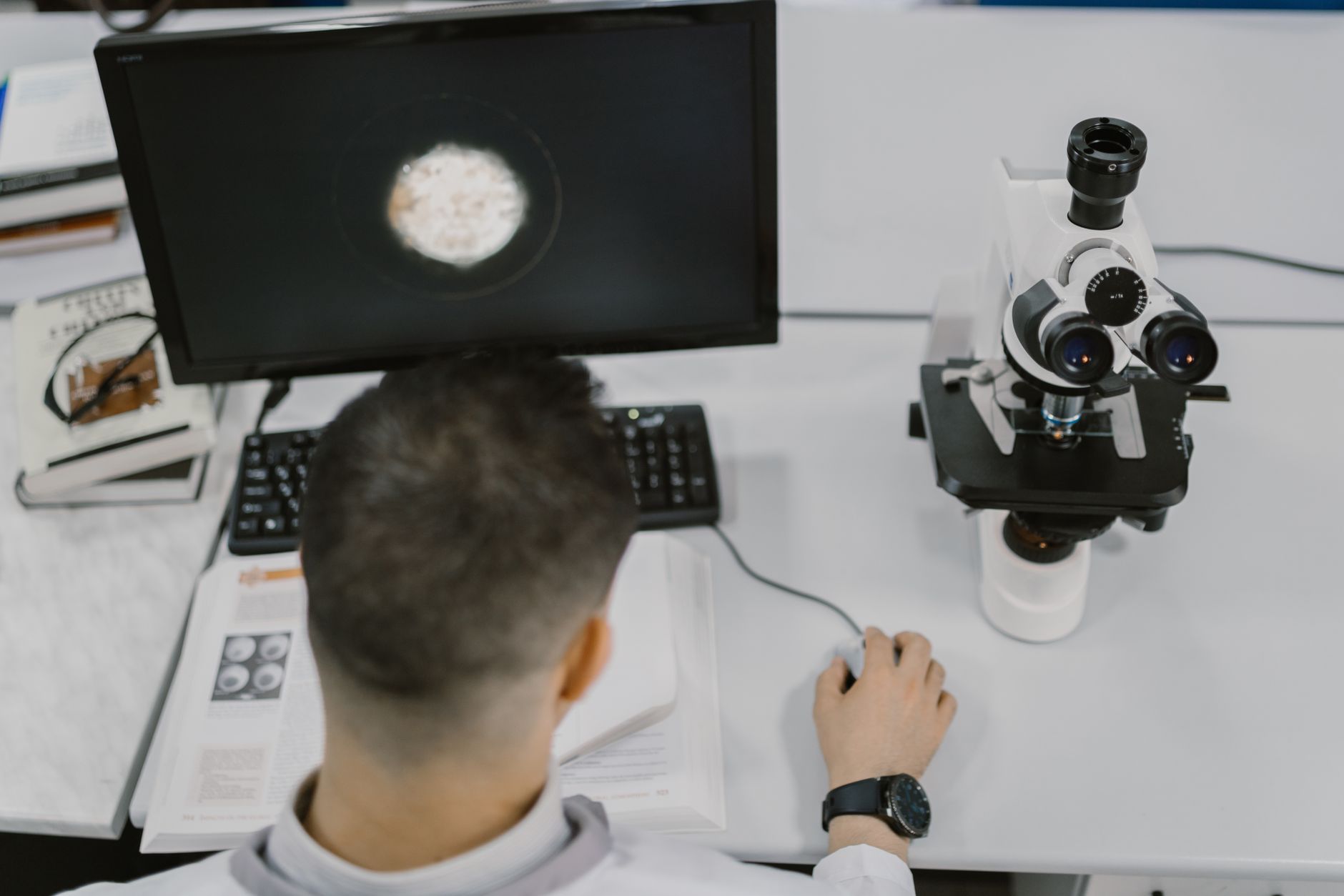
In a development that could transform our understanding of male ageing, researchers at Johns Hopkins University have uncovered a distinct subtype of cell in the prostate. This discovery may unravel the mystery of why the gland tends to enlarge as men grow older, a condition medically known as benign prostatic hyperplasia (BPH).
Located predominantly in one region of the prostate, these newly identified cells appear to be instrumental in the gland’s expansion. The research team speculates that these cells continue to receive growth signals, notably from dihydrotestosterone (DHT), which could explain the tissue accumulation characteristic of BPH.
The Implications of BPH
Benign prostatic hyperplasia is a common condition, affecting millions of men globally. It often leads to uncomfortable symptoms such as difficulty urinating and increased frequency of urination, which can severely impact quality of life. Until now, treatments have largely focused on managing symptoms rather than addressing the underlying cause.
The identification of this specific cell subtype marks a potential turning point. As Professor Ronald Rodriguez, a leading urologist at Johns Hopkins, noted, “Understanding the role of these cells could lead to more targeted therapies that prevent or even reverse the enlargement.”
Future Prospects
While current treatments for BPH include medication and surgery, they come with limitations and side effects. The prospect of developing drugs that target these specific cells is tantalising and could revolutionise the management of BPH.
This discovery is not just a leap forward for prostate health but also offers broader insights into the ageing process in men. By understanding how these cells interact with their environment, scientists hope to unlock further secrets of cellular aging and regeneration.
As research progresses, the spotlight remains on whether these findings can be translated into practical applications. For millions of men, the hope is that this scientific breakthrough will one day ease the burden of an ageing prostate.